
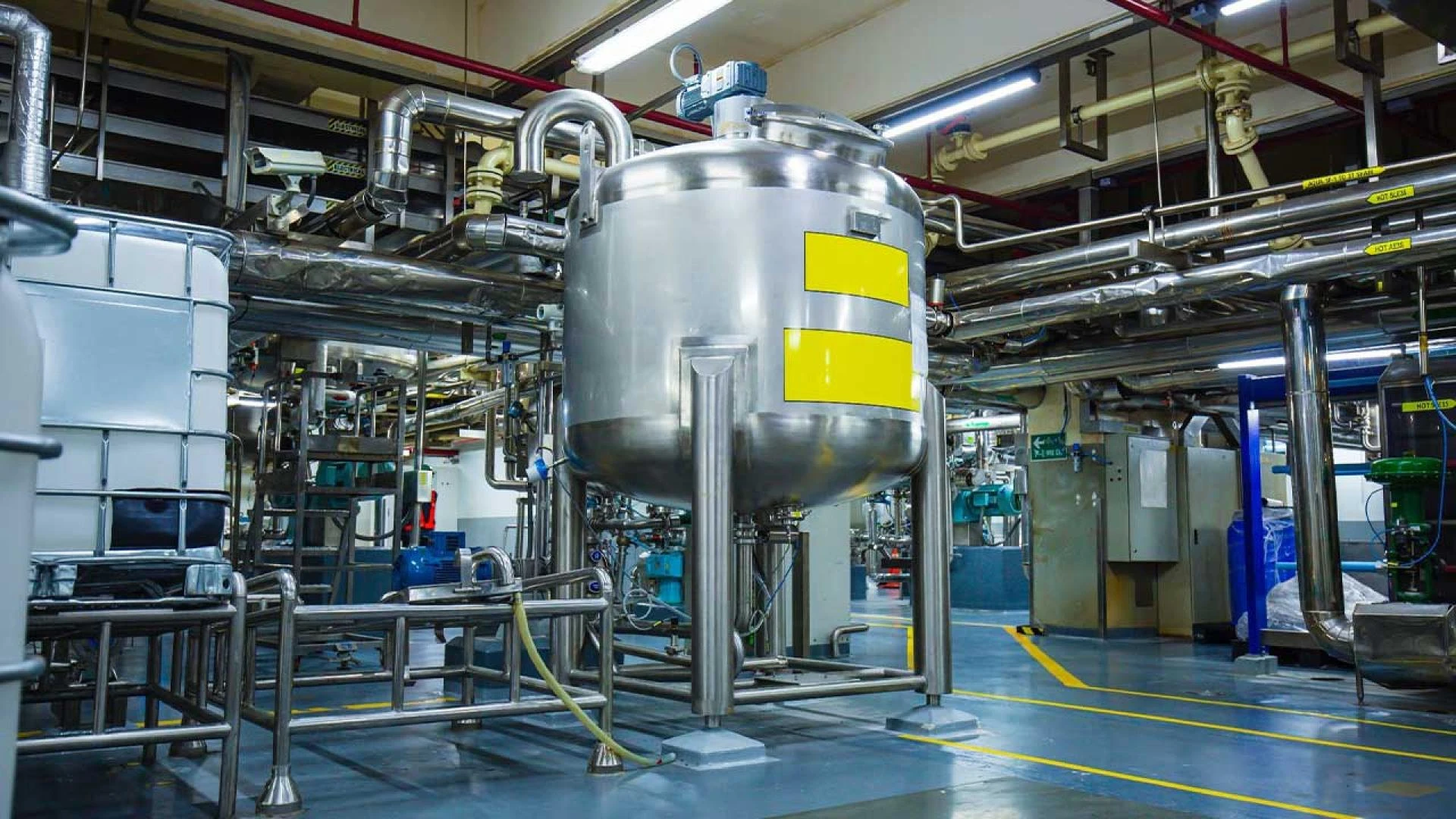
A mixing pit plays a crucial role in various industries by ensuring the proper combination of materials. Whether used in wastewater treatment, chemical processing, or food production, a well-designed mixing pit prevents sediment buildup and ensures a uniform blend of components. The efficiency of mixing depends on factors such as agitation speed, fluid properties, and the design of the pit. Proper maintenance and regular monitoring help prevent clogging, ensuring consistent performance and extending the lifespan of the equipment. Many industries rely on mixing pits to handle high-volume materials efficiently, making them essential for large-scale operations.
A mixing tank is another essential component in industries that require precise blending of liquids, powders, or gases. These tanks come in different sizes and configurations, depending on the application. Some are equipped with mechanical agitators, while others use air or hydraulic mixing systems. The design of a mixing tank impacts the quality of the final product, making it important to choose the right type based on viscosity, temperature, and desired consistency. Stainless steel mixing tanks are commonly used in food and pharmaceutical industries due to their durability and resistance to contamination. Proper sealing mechanisms, temperature controls, and pressure regulation also play a significant role in optimizing mixing efficiency and preventing product loss.
In industries such as agriculture, pharmaceuticals, and petroleum, both mixing pits and mixing tanks work together to ensure thorough blending of raw materials. Large-scale operations often integrate automated systems to monitor and control mixing conditions, improving efficiency and reducing human error. The use of specialized mixing equipment also helps in reducing processing times, enhancing product consistency, and minimizing waste. Regular maintenance, including cleaning and inspection, is essential to prevent residue buildup and ensure that the equipment operates at peak performance.
The effectiveness of a mixing system depends on choosing the right technology for the specific application. Whether in chemical plants, food processing, or wastewater treatment, efficient mixing ensures product quality, operational safety, and compliance with industry standards. Investing in high-quality mixing pits and tanks, along with proper maintenance, helps industries achieve reliable and consistent results while optimizing production efficiency.