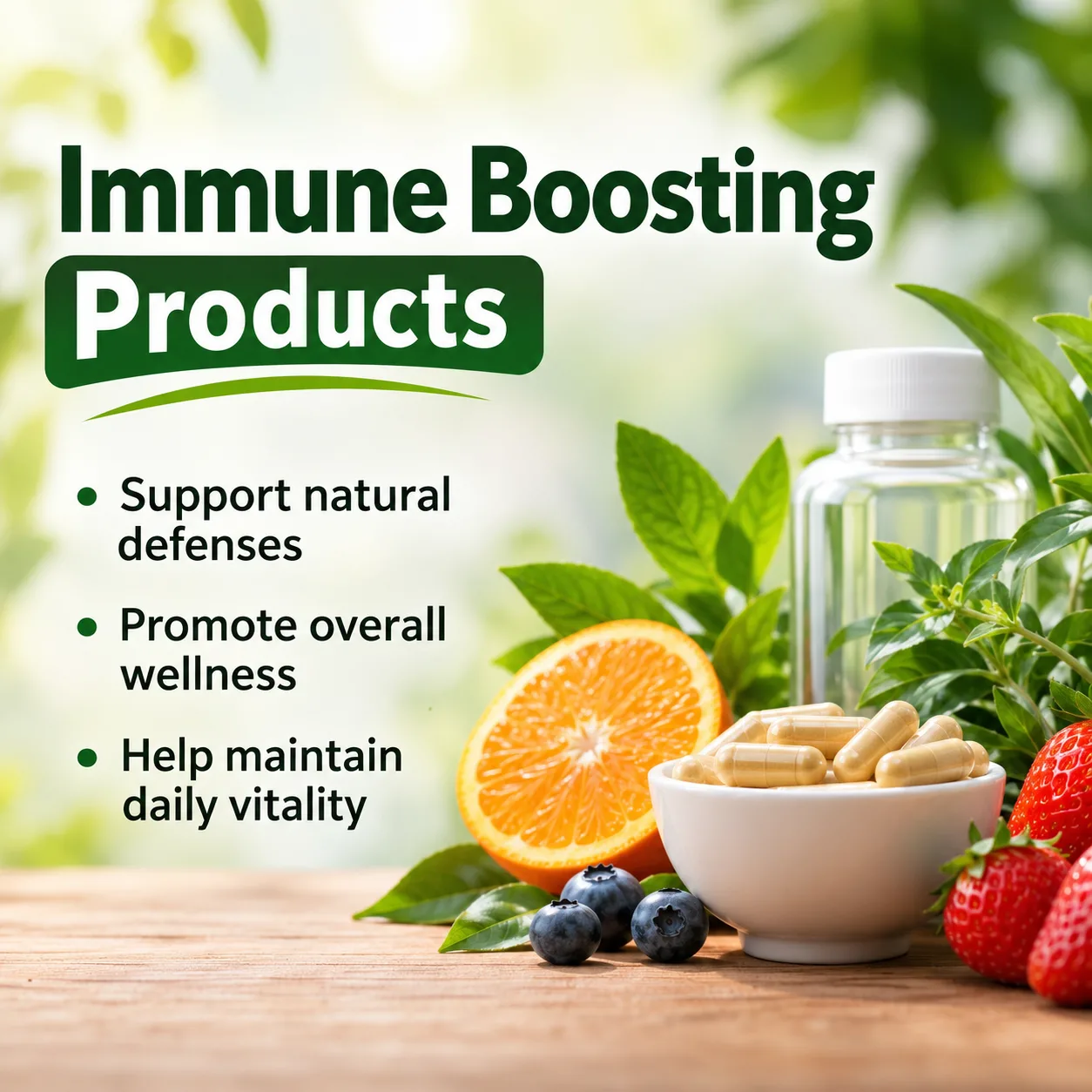
Staying healthy is one of the most important goals in life. Our bodies work hard every day to protect us from germs, viruses, and other harmful things. However, busy schedules, poor eating habits, stress, and lack of sleep can make it harder to maintain good health. This is why many people are becoming more interested in nutrition, healthy food choices, and daily wellness routines.
Today, many people explore immune boosting products as part of their health and nutrition plans. These products may include vitamins, minerals, plant-based ingredients, and other nutrients that support normal immune system function. But choosing the right products is not always easy. Understanding what your body needs can help you make smarter decisions and build healthy habits that last.
1. Understanding How Your Immune System Works
Your immune system is your body's natural defense system. It helps protect you from harmful germs and supports your overall health. It includes different cells, tissues, and organs that work together to keep your body functioning properly. Think of your immune system as a security team. It constantly works to recognize and respond to things that may cause illness.
Several everyday habits can support normal immune function:
- Eating fresh fruits and vegetables.
- Drinking enough water throughout the day.
- Getting seven to nine hours of sleep.
- Staying physically active.
- Managing daily stress.
- Eating meals that provide different nutrients.
These simple habits create a strong foundation for better health. No single food or supplement can replace a healthy lifestyle.
2. What Are Immune Support Products?
The health and wellness market offers many products designed to support everyday nutrition. These products come in different forms, including capsules, powders, tablets, and liquid formulas. Many contain nutrients that play important roles in normal immune system function.
Common ingredients include:
- Vitamin C: Found in citrus fruits, strawberries, and vegetables. It supports normal immune function.
- Vitamin D: Helps support immune health and healthy bones.
- Zinc: Plays an important role in the normal development and function of immune cells.
- Vitamin A: Supports the health of the skin and other body tissues.
- Vitamin E: Helps protect cells from oxidative stress.
- Probiotics: Certain types support a healthy balance of gut bacteria.
Before choosing a supplement, check its ingredients and quality. It is also a good idea to speak with a healthcare professional, especially if you take medication or have an existing health condition.
3. Why Good Nutrition Matters for Immune Health
Food plays a major role in keeping the body healthy. Your body needs different nutrients to support its daily activities, including the normal function of the immune system. Eating the same foods every day may leave gaps in your diet. A balanced meal plan with different food groups can help provide the nutrients your body needs.
Try adding these foods to your daily meals:
- Oranges and lemons: Provide vitamin C.
- Spinach and broccoli: Offer vitamins and other helpful nutrients.
- Almonds and sunflower seeds: Provide vitamin E and healthy fats.
- Beans and lentils: Supply protein, fiber, and minerals.
- Yogurt: Some varieties contain live cultures that support gut health.
- Carrots and sweet potatoes: Provide beta-carotene, which the body can turn into vitamin A.
A colorful plate is a simple way to enjoy a wider range of nutrients. Small changes in your eating habits can make a positive difference over time.
4. The Role of Protein in a Healthy Lifestyle
Protein is an important part of everyday nutrition. Your body uses it to build and repair muscles, support tissues, and make important substances needed for normal body functions.
People who follow plant-based diets often look for different ways to include enough protein in their meals. Plant-based protein powders can be one convenient option. For example, brown rice protein is a plant-based protein source made from rice. It is often used by people who want an alternative to dairy-based protein powders.
Here are some reasons people include rice protein in their nutrition plans:
- It offers a plant-based protein option.
- It can be mixed into smoothies and shakes.
- It works well with fruit, oats, and other ingredients.
- It can be useful for people who avoid dairy.
- It provides another way to add protein to a balanced diet.
However, protein powder should not replace a healthy diet. It is best used as part of a varied eating plan that includes whole foods.
5. How to Choose the Right Wellness Products
With so many products available, selecting the right one can feel confusing. Attractive packaging and bold marketing claims do not always tell you whether a product is suitable for your needs. Before purchasing a health supplement, take time to understand what is inside it.
Use these simple tips:
- Read the ingredient list: Understand what the product contains before buying.
- Check product quality: Look for clear manufacturing and quality information.
- Avoid unrealistic claims: Be careful with products that promise instant results or guaranteed protection from illness.
- Check the serving instructions: Follow the recommended directions on the label.
- Consider your nutritional needs: Choose products based on your diet and individual requirements.
- Check expiration dates: Always make sure the product is safe to use.
- Ask a healthcare professional: Get advice if you are unsure about an ingredient or supplement.
Making informed choices can help you avoid unnecessary purchases and focus on products that fit your wellness goals.
6. Everyday Habits That Support Your Immune System
Supplements are only one part of a healthy lifestyle. Your daily routine also plays an important role in supporting your body's natural defenses. You do not need to make big changes overnight. Start with small steps and follow them consistently.
Here are some easy habits to follow:
- Start your morning with a healthy breakfast: Include fruits, whole grains, and protein.
- Stay hydrated: Drink water regularly throughout the day.
- Move your body: Walking, cycling, swimming, or light exercise can support overall health.
- Get enough rest: Good sleep helps your body recover.
- Spend time outdoors: Enjoy fresh air and natural daylight while protecting your skin from excessive sun exposure.
- Manage stress: Try reading, meditation, or spending time with family.
- Maintain personal hygiene: Wash your hands regularly and keep your surroundings clean.
These habits may seem simple, but they can help create a healthier daily routine.
7. Common Mistakes to Avoid When Buying Supplements
Many people purchase wellness products without checking whether they actually need them. This can lead to unnecessary spending and confusion.
Avoid these common mistakes:
- Buying products only because they are popular.
- Taking several supplements without checking their ingredients.
- Ignoring the recommended serving instructions.
- Believing that supplements can prevent every illness.
- Replacing fresh and healthy foods with supplement products.
- Choosing products without checking their quality.
- Expecting immediate results from a new wellness routine.
Remember, more supplements do not always mean better health. A balanced approach is usually the best choice.
8. Build a Smarter Wellness Routine
Good health comes from regular habits, not quick fixes. Instead of changing everything at once, focus on building a routine that fits your lifestyle. Start by planning balanced meals, drinking enough water, staying active, and getting proper sleep. If your diet does not provide enough of certain nutrients, discuss suitable supplement options with a qualified healthcare professional.
You can also review your progress by asking yourself a few simple questions:
- Am I eating a variety of healthy foods?
- Am I getting enough sleep?
- Am I drinking enough water?
- Am I staying active?
- Am I choosing supplements based on my actual needs?
These questions can help you make better decisions and stay focused on your health goals.
Final Thoughts
Taking care of your immune system starts with understanding your body and giving it the nutrition it needs. Healthy eating, regular exercise, proper sleep, and stress management all play an important role in overall wellness.
Choosing quality wellness products can also help fill certain nutritional gaps when needed. However, no supplement can replace a balanced lifestyle or guarantee protection against illness.
The best approach is to stay informed, read product labels, choose wisely, and make healthy habits part of your everyday life. Remember, small steps taken consistently can help you build a healthier future.