Most holidays are organised around one primary interest. Travellers visit wildlife destinations for nature, historical cities for architecture and large urban centres for food or entertainment. Bharatpur offers a more layered journey because its identity brings together natural experiences, regional history and the cultural influence of the Braj region.
This diversity allows visitors to create a balanced itinerary. The day may begin with birds and wetland landscapes, continue with historical exploration and conclude in a palace-inspired environment. Travellers do not have to choose between nature and heritage when both can form meaningful parts of the same visit.
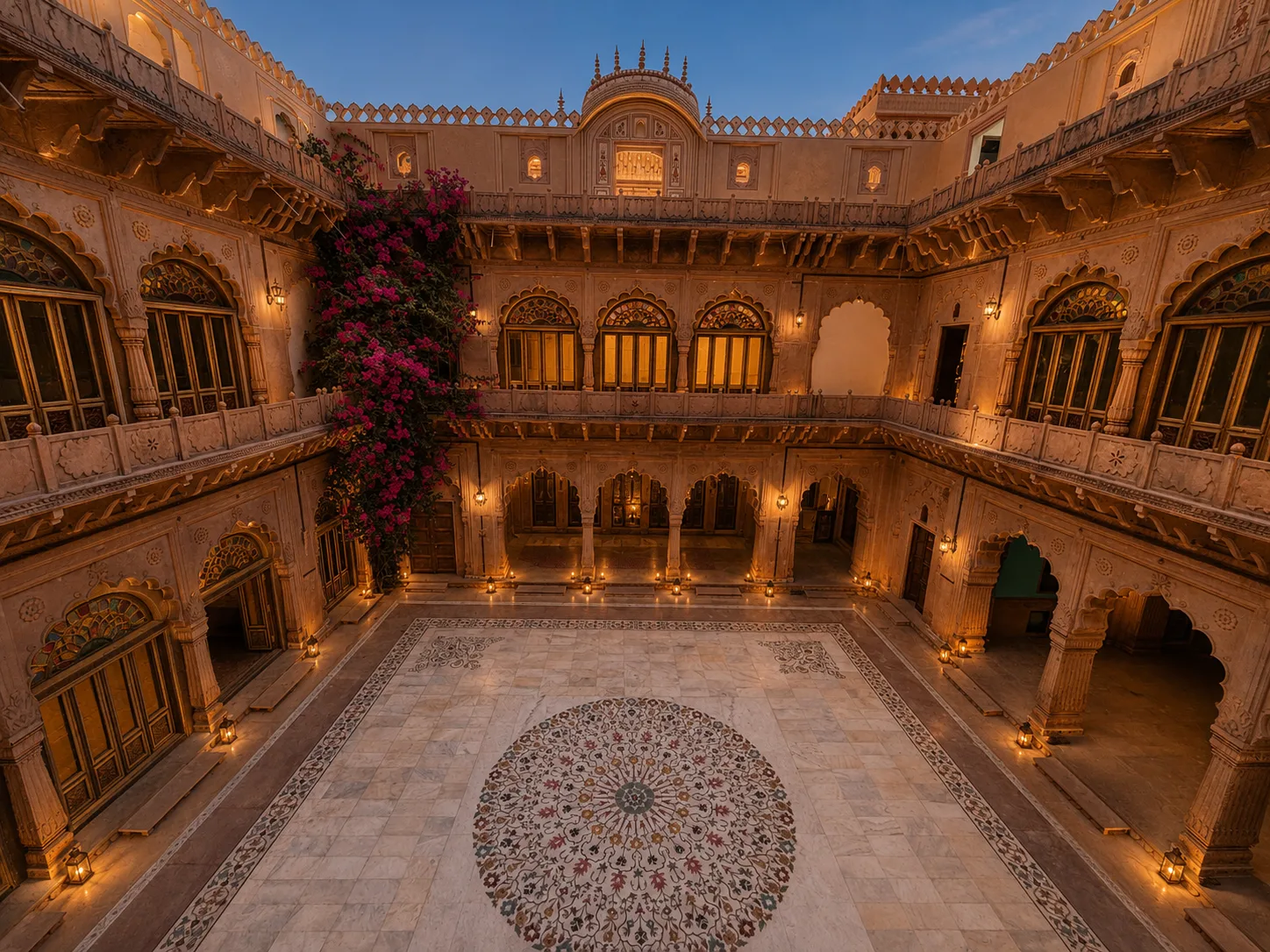
Mahal Khas Palace can serve as a comfortable cultural base for visitors planning a Bharatpur nature and heritage holiday. Its position within the historic surroundings of Lohagarh Fort adds continuity to an itinerary shaped by both wildlife and history.
Why Is Bharatpur More Than a Short Sightseeing Stop?
Bharatpur is sometimes added as a brief stop between better-known destinations. This approach can prevent travellers from understanding its individual character.
The city deserves time because its experiences are not limited to a single monument or attraction. Its wetland environment appeals to bird watchers and photographers, while its forts, palaces and local traditions represent a distinct regional history.
Travellers who stay overnight can plan their activities according to the most suitable time of day. Nature-focused outings are often more enjoyable during quieter morning hours, while historical exploration can be arranged later.
An overnight visit also reduces the pressure to complete every activity before continuing a long road journey. Guests have time to rest, eat properly and absorb what they have seen.
Morning: Discover Bharatpur’s Natural Side
Bharatpur is internationally associated with birdlife and wetland ecology. The landscape attracts nature enthusiasts, researchers, photographers and families interested in introducing children to wildlife observation.
A nature outing is different from a conventional attraction because the experience cannot be fully predicted. Birds move according to season, weather, time and habitat conditions. This uncertainty encourages patience and observation.
Visitors should avoid treating bird watching as a race to identify the greatest number of species. The changing landscape, animal behaviour and quiet atmosphere are equally valuable.
Comfortable footwear, season-appropriate clothing, water and binoculars can improve the experience. Travellers should also follow local rules, avoid disturbing wildlife and respect instructions from authorised guides.
Afternoon: Understand the City’s Historical Character
After exploring Bharatpur’s natural environment, visitors can turn towards the city’s historical identity. Lohagarh Fort represents an important part of that story.
Its reputation is connected with resilience and defensive strength. The fort’s character differs from palaces known mainly for ornamental beauty, helping travellers understand that Rajasthan’s architectural history includes practical military planning as well as decorative royal design.
Mahal Khas Palace’s location within this historic setting gives guests an opportunity to remain connected with Bharatpur’s past even after their sightseeing activity has ended.
Those who want a deeper understanding can arrange a knowledgeable guide and read from credible historical sources. This prevents the visit from becoming limited to photographs and gives meaning to the architecture being observed.
Evening: Return to a Setting With Cultural Continuity
Accommodation can either continue the story of a destination or interrupt it. Returning from a heritage visit to a completely standardised room may feel disconnected from the day’s experience.
A palace-inspired property can preserve that cultural continuity. Traditional design references, royal-style interiors and historic surroundings allow the traveller’s engagement with Bharatpur to continue during their stay.
Mahal Khas Palace combines this atmosphere with modern requirements such as air-conditioned rooms, private bathrooms, housekeeping, Wi-Fi and dining facilities. Exact features depend on the selected room category and should be confirmed directly.
The objective is not to recreate the past literally. It is to offer contemporary hospitality within surroundings that retain a relationship with the destination.
How Should Travellers Select Their Accommodation?
Different travellers need different room arrangements. A couple may prefer a private suite, while a family may prioritise occupancy and bed configuration. Senior guests may require easier access, and international visitors may want assistance with transfers or local arrangements.
Mahal Khas Palace offers several named rooms and suites with varying sizes and capacities. Guests should compare the options on the official website rather than assuming that every category has identical features.
Before booking, travellers should check:
- Maximum occupancy
- Number and type of beds
- Bathroom configuration
- Accessibility and room location
- Included amenities
- Check-in and check-out timings
- Cancellation conditions
- Availability of additional services
Visitors comparing a heritage suite stay in Bharatpur should verify the current room details and price directly with the property before making a payment.
Can Bharatpur Work for a Family Holiday?
Bharatpur can be educational and enjoyable for families when the itinerary is designed according to children’s energy and attention spans.
A morning nature experience introduces children to birds, habitats and responsible wildlife observation. A fort visit can bring history to life by showing them real defensive architecture and palace environments.
Parents should avoid providing too much information at once. Asking children what they noticed may be more effective than delivering a long historical explanation.
The hotel’s listed amenities include a swimming pool, lawn, seating areas and a kids’ play area. Availability and applicable supervision rules should be confirmed before arrival. These facilities can provide useful downtime after sightseeing.
Why Is a Slower Itinerary Better?
A nature-and-heritage holiday benefits from a slower pace because both experiences depend on observation.
Wildlife cannot be appreciated properly when travellers are constantly checking the time. Historical architecture also requires more than a few photographs. Guests need enough time to see details, ask questions and understand the relationship between the structure and the region.
A simple two-day plan may work better than an overloaded single-day visit:
Day One: Arrival, rest, a relaxed exploration of the historical surroundings and an unhurried evening.
Day Two: Early nature outing, breakfast, additional local exploration and departure according to the onward schedule.
The exact plan should account for season, opening times, weather and individual mobility.
Facilities That Support a Comfortable Itinerary
A culturally meaningful property still needs dependable practical services. After an early outing or long day of exploration, guests require a comfortable place to rest.
Mahal Khas Palace lists facilities such as a restaurant, dining area, common swimming pool, parking, power backup, high-speed Wi-Fi, daily housekeeping and 24-hour room service, with limitations for certain late-night food items.
Shuttle service and private airport transfers are listed as request-based or paid services. Wheelchair assistance and certain other facilities may also be available on request.
Travellers interested in a comfortable palace hotel near Bharatpur attractions should contact the hotel beforehand to confirm the services required for their particular itinerary.
The Value of Experiencing Contrasting Landscapes
One of Bharatpur’s strengths is the contrast between its natural and built environments.
Wetlands represent movement, seasonality and ecological change. Forts and palaces represent permanence, governance and human design. Experiencing both gives travellers a broader understanding of the destination.
This contrast is also valuable for photography. Nature photographers work with wildlife and changing light, while architectural photographers focus on geometry, texture, scale and historical character.
Families may find that different members connect with different parts of the journey. One person may enjoy bird watching while another prefers history. Bharatpur allows both interests to exist within a shared holiday.
Responsible Travel in Bharatpur
Visitors should help protect the places they come to experience. In nature areas, this means following designated routes, maintaining an appropriate distance from wildlife and avoiding litter.
At historical locations, guests should respect restricted areas, avoid touching vulnerable surfaces and follow photography rules. They should also seek reliable information rather than repeating exaggerated or unverified stories.
Supporting authorised guides, local services and responsible hospitality providers can contribute positively to the destination.
Conclusion
Bharatpur allows travellers to experience nature and royal heritage without dividing them into separate holidays. Its birdlife and wetland landscape encourage observation, while Lohagarh Fort and its associated palace environment introduce visitors to the region’s historical strength and identity.
By staying at Mahal Khas Palace, travellers can maintain a connection with this heritage while accessing modern accommodation and services. The result can be a balanced journey in which nature fills the morning, history shapes the afternoon and royal-inspired hospitality completes the evening.