
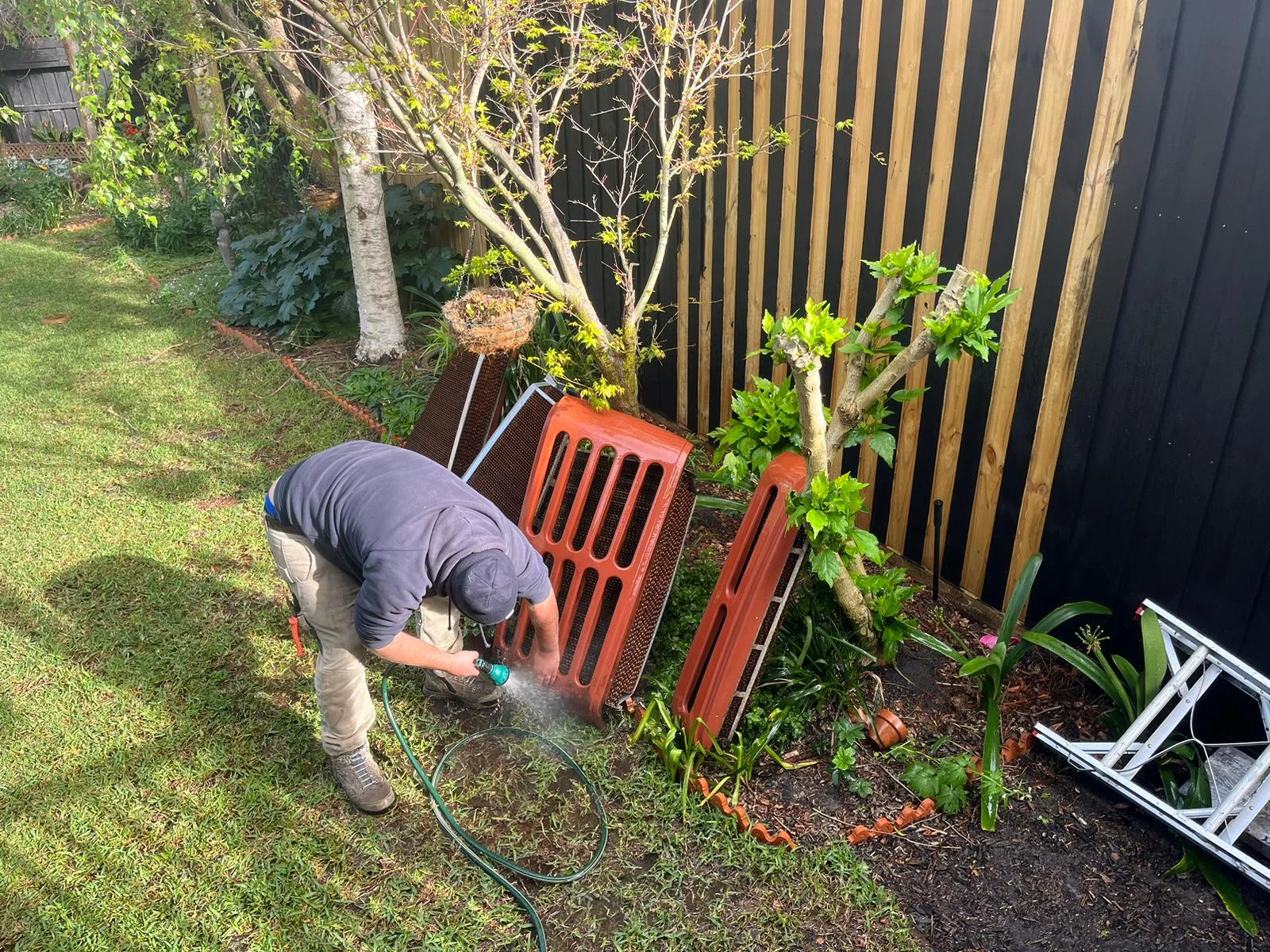
Installing a new HVAC system is a significant investment in your home. Whether you are replacing an old air conditioner, installing heating and cooling for a new property, or upgrading to a more energy-efficient system, the right installation can make a noticeable difference to indoor comfort and energy costs.
HVAC stands for heating, ventilation and air conditioning. A properly designed and installed HVAC system does more than heat or cool your home. It can help maintain consistent indoor temperatures, improve airflow, control humidity and contribute to better indoor air quality.
However, choosing an HVAC system is not simply about picking a unit with the highest capacity or the lowest purchase price. The size of your home, insulation, layout, windows, existing ductwork, climate and household needs all need to be considered.
This guide explains what to know before an HVAC installation, how the installation process works, common system options, potential costs and how to get the most from your new system.
What Is HVAC Installation?
HVAC installation is the process of selecting, positioning and connecting a heating, ventilation and air conditioning system so it can safely and efficiently operate within a property.
Depending on the type of system, installation may involve:
- Installing indoor and outdoor units
- Connecting refrigerant lines
- Installing or modifying ductwork
- Connecting electrical components
- Setting up thermostats and controls
- Installing ventilation components
- Testing airflow and system performance
- Checking safety and operating controls
The exact process depends on whether you are installing a split-system air conditioner, ducted system, heat pump, furnace, evaporative cooling system or another type of HVAC equipment.
A professional installation is important because even a high-quality HVAC unit may perform poorly if it is incorrectly sized, positioned or connected.
When Should You Consider a New HVAC Installation?
Not every heating or cooling problem means you need a completely new system. In some cases, servicing or repairing the existing equipment may be enough.
However, replacement may be worth considering when your system is reaching the end of its expected service life or experiencing frequent problems.
Some signs that it may be time to consider HVAC replacement include:
1. Frequent Repairs
If your system regularly needs repairs, maintenance costs can eventually become difficult to justify. Replacing an ageing system may provide more reliable performance.
2. Rising Energy Bills
An older HVAC system may become less efficient over time. If your energy consumption is increasing despite similar usage patterns, the system could be losing efficiency.
3. Uneven Temperatures
Rooms that are consistently too hot or too cold can indicate problems with system capacity, ductwork, insulation or airflow. In some situations, replacing the system may help resolve the underlying issue.
4. Poor Airflow
Weak airflow from vents may be caused by blocked filters, ductwork problems or a failing fan. If these issues continue despite servicing, an HVAC professional can determine whether replacement is appropriate.
5. Ageing Equipment
Older systems may lack the efficiency and control features available in newer equipment. If your system is approaching the end of its useful life, it can be sensible to investigate replacement options before a major failure occurs.
Choosing the Right HVAC System
One of the most important decisions during HVAC installation is choosing the right type and capacity of system.
There is no single system that is ideal for every home. Your property’s design and heating and cooling requirements should determine the most suitable option.
Split-System Air Conditioning
Split systems are common in residential properties and generally consist of an indoor unit and an outdoor compressor/condenser unit.
They can be suitable for cooling and heating individual rooms or defined areas. They are often considered when homeowners want targeted temperature control without installing ductwork throughout the property.
Ducted Air Conditioning
Ducted systems distribute conditioned air through a network of ducts connected to multiple rooms.
A ducted system can provide whole-home heating and cooling and can offer centralised control. However, installation can be more involved, particularly in an existing home where suitable space for ductwork needs to be considered.
Heat Pumps
Heat pumps can provide both heating and cooling by transferring heat rather than generating it directly in the same way as traditional heating systems.
They are available in several configurations, including reverse-cycle air conditioning systems. A professional assessment can help determine whether a heat pump is appropriate for your home and climate.
Evaporative Cooling
Evaporative cooling systems use the evaporation of water to cool air before distributing it throughout a property.
They can be particularly suitable for certain dry climates and homes where natural airflow and ventilation conditions support their operation. Their suitability depends on local climate, home design and individual comfort requirements.
Why Correct HVAC Sizing Matters
One of the most important parts of HVAC installation is determining the appropriate system capacity.
A common mistake is assuming that a larger system will always provide better cooling or heating. An oversized system can cycle on and off more frequently instead of operating efficiently for longer periods.
An undersized system, on the other hand, may struggle to maintain the desired indoor temperature, particularly during periods of extreme weather.
HVAC professionals consider factors such as:
- Floor area
- Ceiling height
- Insulation
- Window size and orientation
- Number of occupants
- Property layout
- Local climate
- Sun exposure
- Existing ductwork
- Air leakage
- Desired indoor temperatures
This assessment helps determine the heating and cooling capacity required for the property.
The correct sizing approach is more reliable than choosing a system based solely on the size of the house.
What Happens During an HVAC Installation?
The installation process varies depending on the system, but a typical residential installation follows several stages.
Step 1: Property Assessment
Before installation begins, an HVAC professional assesses the property.
This can include checking the existing system, available installation space, electrical requirements, ductwork, insulation and airflow.
If the installation is replacing an existing unit, the condition of the current equipment and associated components should also be considered.
Step 2: System Selection
Once the property’s requirements are understood, the appropriate system type and capacity can be selected.
The installer may discuss different brands, models, efficiency ratings, features and control options.
It is important to consider the long-term operating requirements rather than looking only at the initial purchase price.
Step 3: Installation Planning
The installer determines where the indoor and outdoor components should be positioned.
For split systems, this includes considering the location of the indoor unit, outdoor unit and connecting lines.
For ducted systems, the installer needs to plan the duct layout, vents, return-air points and equipment location.
Good planning can help minimise airflow restrictions, unnecessary bends and installation complications.
Step 4: Removing Existing Equipment
If an old HVAC system is being replaced, the existing equipment may need to be safely removed.
This should be carried out by a qualified professional, particularly where electrical connections, refrigerants or gas components are involved.
Step 5: Installing the New Equipment
The new HVAC equipment is then installed according to the manufacturer’s specifications.
Depending on the system, this may include:
- Mounting indoor equipment
- Positioning the outdoor unit
- Installing ductwork
- Connecting refrigerant lines
- Connecting electrical wiring
- Installing drainage
- Connecting thermostats or control systems
- Sealing duct connections
The installer should ensure components are securely installed and accessible for future servicing.
Step 6: Testing and Commissioning
Installation should not finish as soon as the equipment turns on.
The system should be tested to ensure it is operating correctly.
This can include checking:
- Airflow
- Temperature performance
- Electrical operation
- Refrigerant-related measurements
- Thermostat operation
- Drainage
- System controls
- Safety functions
Proper commissioning helps identify installation problems before the system is put into regular use.
How Much Does HVAC Installation Cost?
The cost of HVAC installation varies considerably from one property to another.
There is no single price that applies to every installation because the total cost depends on the equipment and the complexity of the work.
Factors that can affect the installation cost include:
- Type of HVAC system
- System capacity
- Brand and model
- Property size
- Number of rooms
- Ductwork requirements
- Electrical work
- Installation location
- Removal of existing equipment
- Structural modifications
- Accessibility
- Additional controls or zoning
- Labour requirements
A simple replacement of an existing split system may involve considerably less work than installing a complete ducted system in a home without existing ductwork.
When comparing quotes, look beyond the equipment price. Check what is included in the installation, such as removal of the old system, electrical work, commissioning and any required modifications.
How Long Does HVAC Installation Take?
Installation time depends on the type of system and the property.
A straightforward replacement can often be completed much faster than a new whole-home installation requiring extensive ductwork.
Factors that can affect installation time include:
- System type
- Number of indoor units
- Ductwork installation
- Accessibility
- Electrical requirements
- Removal of existing equipment
- Property layout
- Additional building work
Your HVAC contractor should be able to provide a more accurate timeframe after inspecting the property.
Common HVAC Installation Mistakes
Poor installation can reduce system performance, increase operating costs and potentially shorten equipment life.
Some common problems include:
Installing the Wrong Size System
Choosing equipment based only on floor area can result in incorrect capacity. A proper assessment should account for the property’s individual characteristics.
Poor Outdoor Unit Placement
Outdoor units need sufficient airflow and should be positioned appropriately for the property and manufacturer’s requirements.
Placing equipment in a restricted or unsuitable location can affect performance and maintenance access.
Poorly Sealed Ductwork
Leaks in ductwork can allow conditioned air to escape before reaching the rooms it is intended to serve.
Properly sealed duct connections can help maintain airflow and reduce energy waste.
Ignoring Existing Problems
Installing a new HVAC unit without addressing damaged ductwork, poor insulation or inadequate airflow can prevent the new system from delivering its full potential.
Skipping Commissioning
An HVAC system should be tested after installation. Simply switching the system on does not confirm that everything has been installed and configured correctly.
How to Prepare Your Home for HVAC Installation
There are several things homeowners can do before installation day.
First, make sure the installer has clear access to the areas where equipment will be installed. Move furniture and other items that could obstruct access.
If an outdoor unit is being installed, make sure the proposed location is accessible and free from unnecessary obstacles.
You should also discuss any concerns about noise, airflow, room temperatures or existing HVAC problems with the installer before work begins.
If you are replacing an existing system, ask whether the current ductwork, electrical supply and other components can be reused or whether they need to be upgraded.
Improving HVAC Efficiency After Installation
A new HVAC system can provide efficient heating and cooling, but how you operate and maintain it also matters.
Replace or Clean Filters
Dirty filters restrict airflow and can make the system work harder. Follow the manufacturer’s recommendations for cleaning or replacing filters.
Keep Outdoor Units Clear
Leaves, dirt and other debris can restrict airflow around outdoor equipment. Keep the area around the unit reasonably clear.
Use Appropriate Temperature Settings
Extremely low cooling or high heating settings can increase energy consumption. Setting the thermostat to a comfortable, practical temperature can help manage running costs.
Schedule Professional Maintenance
Regular HVAC servicing can help identify developing problems before they become major repairs.
Maintenance can include inspecting components, checking airflow, cleaning relevant parts and assessing overall system operation.
Consider Zoning
For larger homes, zoning can provide greater control over different areas of the property. Instead of heating or cooling every room equally, a zoned system can allow temperatures to be managed according to how different areas are used.
Why Professional HVAC Installation Matters
HVAC installation involves more than connecting a new appliance.
The system needs to be correctly sized, installed, configured and tested. Incorrect installation can lead to poor airflow, uneven temperatures, higher energy use, excessive noise and premature equipment problems.
A professional HVAC installer can assess your property, recommend suitable equipment and ensure the installation follows the manufacturer’s requirements and applicable regulations.
It is also important to use appropriately qualified professionals for work involving electrical systems, refrigerants or gas appliances.
Frequently Asked Questions About HVAC Installation
How often should an HVAC system be replaced?
There is no fixed replacement schedule because equipment lifespan depends on the system type, installation quality, maintenance and operating conditions. If your system is ageing and experiencing frequent breakdowns or declining performance, it may be worth discussing replacement with an HVAC professional.
Can I install an HVAC system myself?
HVAC installation can involve electrical, refrigerant, gas and structural work depending on the system. These components should be handled by appropriately qualified professionals rather than treated as a DIY project.
Should I repair or replace my HVAC system?
The answer depends on the age and condition of the system, repair costs, efficiency and expected remaining service life. A professional inspection can help you understand whether repair or replacement is more appropriate.
How do I know what size HVAC system I need?
System capacity should be determined through an assessment of your property’s heating and cooling requirements. Factors such as floor area, insulation, windows, orientation, climate and occupancy can all influence the calculation.
Does new HVAC equipment automatically reduce energy bills?
Not necessarily. A newer system may offer improved efficiency compared with older equipment, but actual energy consumption depends on system efficiency, correct sizing, installation, maintenance and how the equipment is operated.
Get Your HVAC Installation Right From the Start
A new HVAC system is a long-term investment in your home’s comfort. Choosing the right equipment is important, but professional design, correct sizing and quality installation are just as important.
Before committing to an HVAC installation, consider your home’s heating and cooling requirements, the available installation space, ductwork, energy efficiency and long-term maintenance needs. Compare quotes carefully and make sure you understand exactly what is included.
Whether you are replacing an ageing system or installing HVAC equipment for the first time, a professional assessment can help you choose a system that suits your home and provides reliable performance for years to come.