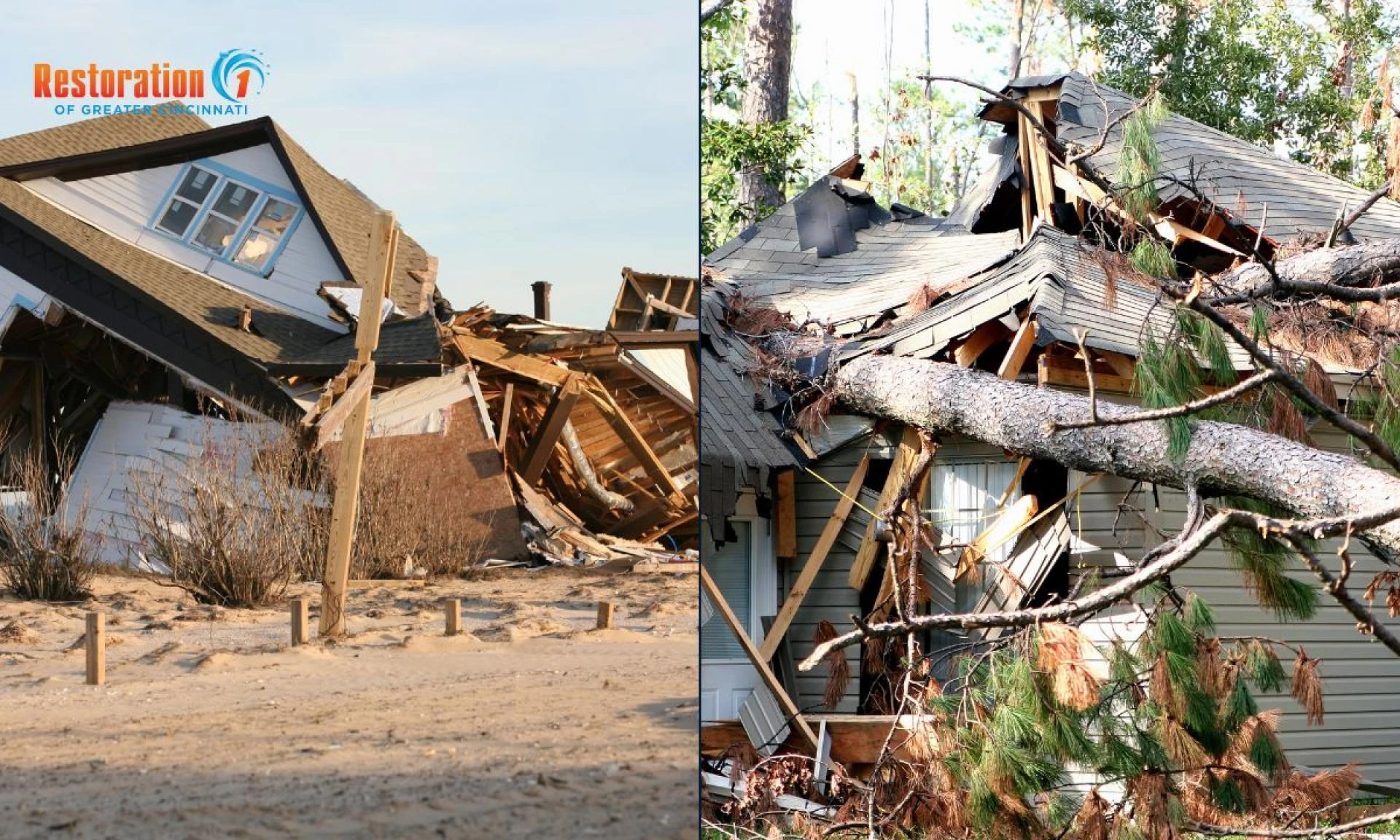
Hurricanes are forces of nature that do not leave much afterward but destruction. 2023 alone saw 28 major weather disasters in the U.S. causing nearly $93 billion in damages, a real example of how strong these storms could be. With the cleanup comes the uncertainty for the homeowner, dangled with hard decisions. If any of this rings a bell, consult this guide to safely assess damage, dispose of debris and commence the restoration journey.
Seven Steps to Recovery After a Hurricane
1.Safety First
Once the storm has passed, your instinct might be to survey the damage without delay. However, this must be undertaken cautiously.
- Beware of Standing Water – This can disguise any electrical hazards, debris, or toxic hostiles.
- Turn Off Gas Lines – In case you suspect a gas leak through odor, you should shut the main gas valve immediately.
- Use Generators Safely – Object to running the generators inside homes and ensure that it is at least 20 feet from the doors, windows, and vents.
2. Do Not Enter Until Authorized
If you have been ordered to leave the premises, do not return to the area until the local emergency managers grant you clearance. There could be structural damage, electric power lines are down, or hidden flooding could pose life-threatening hazards. When you get near your house, check for cracks, roof instability, flooding, or other visible damage. Should EMS arrive, be sure to keep them well-informed, followed, of course, by emergency management services, in case there are signs of a compromised structure—stay outside!
3. Caution While Clearing Debris
When cleaning up, take the following actions:
- Wear protective clothes-boots, gloves, long sleeve shirts, etc.-against sharp debris.
- All electric cables can be triggered; therefore inform your utility immediately.
- Expect snakes or rodents that have been displaced by the wreckage.
- Use proper lifting methods to avoid back injury-lift with your legs instead of your back.
- If you are not sure what the debris may contain, do not touch it. Some materials may even be toxic.
Hurricanes are amongst the most powerful forces of nature, leaving behind a trail of destruction. In 2023, there have been 28 major disaster weather situations reported in the U.S., causing nearly $93 billion in damages: a sobering reminder of the degree of force these storms have. In the aftermath of such disaster, homeowners are in uncertainty and difficult decisions have to be made. If you are in such a situation, then follow this guide on how to safely assess damage and manage debris and start the restoration process.
7 Critical Steps in Hurricane Recovery
1. Put Safety First
As soon as the storm passes, you might be motivated to assess any damage that has occurred. Exercise caution here.
- Stay Away From Standing Water- Standing water may hide electrical hazards, debris, or toxic contaminants.
- Turn Off Gas Lines- If you smell a gas or suspect a gas leak, immediately shut off your main gas valve.
- Use Generators Properly- Always run generators outdoors, at least 20 feet from doors, windows, and vents to avoid carbon monoxide poisoning.
2. Wait for the Officials to Clear You to Go Back Home
If you evacuated, do not return until local authorities say it is safe to do so; there may be structural damage, downed power lines, or flooding, or other hidden dangers.
3. Handle Debris with Care
- Clean-up should be systematic
- Use protective gear: sturdy boots, gloves, and long sleeves, to protect yourself from sharp debris.
- Consider all power lines on the ground to be live and report it to the utility company.
- Beware of wildlife-displaced snakes or rodents hiding in wreckage.
- Use proper lifting techniques to avoid back strain-lift with your legs, not back.
- Do not touch debris if you do not know what it may contain. Some materials may be hazardous.
While you open your home for a rebuild, the opportunity of fortifying it further against the onslaught of future storms cannot be passed on. Renovations like installation of storm shutters, impact-resistant roofing, and reinforced windows can aid in resisting the damage in the next calamity. Plan ahead with a family emergency plan, know the supplies you need, and most importantly, keep your family informed of evacuation routes. Preparedness today may yield a bounty tomorrow.
It Doesn't Hurt to Know
When undertaking property restoration work, it is crucial to engage the right professionals. Here's how to be assured you're rather working with experts:
- Look for Recognized Certification in the Industry: Verify that a contractor that claims expertise in water damage has an IICRC certification that proves it.
- Licensing: Verify that the general contractors have valid licenses from the state or any local area of residence. Verify all certification for validity and the status of general contractors.
- Ask for Proof of Insurance: Request for an active Certificate of Insurance, which encompasses liability and workers' compensation.
Let Us Restore Your Home
The road to recovery is certainly tough, but you do not have to brave it alone. Restoration 1 is fully aware of water and storm damage restoration, mold remediation, and complete restoration of property.
Our qualified staff efficiently restores your home or business to the way it was before the disaster struck, thus allowing you to take off with confidence.
🔹 Locate the Nearest Restoration 1
🔹 Call Our Local Experts- Where We Are Always Available 24/7