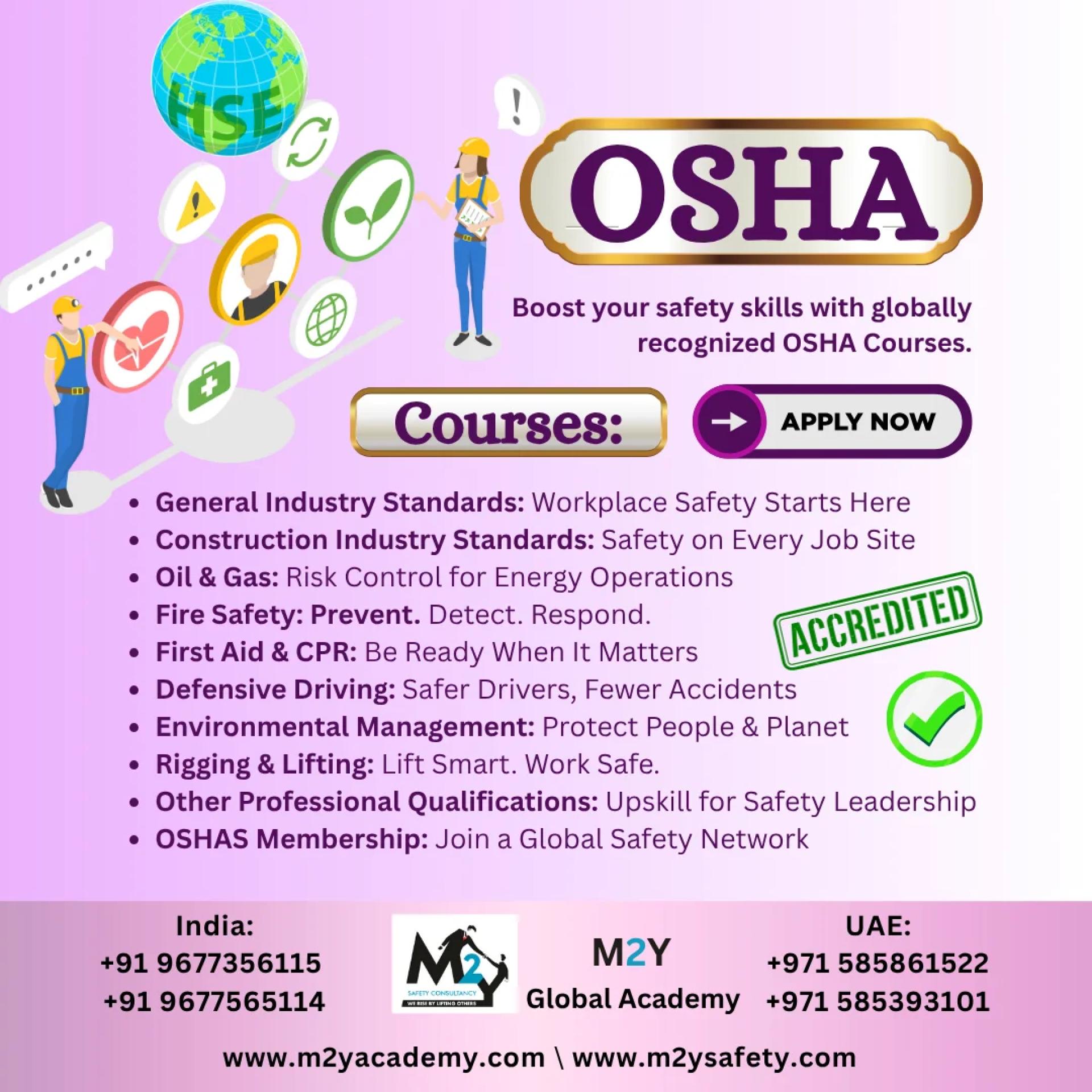
Health, Safety, and Environment (HSE) training plays a vital role in protecting employees, reducing workplace risks, and ensuring compliance with safety regulations. In today’s high-risk industries such as construction, oil & gas, manufacturing, and logistics, HSE training is not just a legal requirement—it is a responsibility every organization must take seriously.

What Is HSE Training?
HSE training focuses on educating workers and management about workplace hazards, safe working practices, accident prevention, and environmental protection. These programs are designed to create awareness, improve safety behavior, and promote a strong safety culture across all levels of an organization.
HSE training covers a wide range of topics, including:
- Hazard identification and risk assessment
- Workplace health and safety regulations
- Fire safety and emergency response
- First aid and incident reporting
- Environmental protection and waste management
Importance of HSE Training
Implementing effective HSE training brings significant benefits to both employers and employees. It helps reduce accidents, injuries, and occupational illnesses while improving overall productivity and morale. Trained employees are more confident, safety-conscious, and capable of responding correctly during emergencies.
Key benefits of HSE training include:
- Reduced workplace accidents and downtime
- Compliance with local and international safety standards
- Improved employee awareness and responsibility
- Lower insurance and compensation costs
- Enhanced company reputation and safety performance
Who Needs HSE Training?
HSE training is essential for:
- Workers in high-risk industries
- Supervisors and site managers
- Safety officers and HSE professionals
- New employees and contractors
- Organizations aiming to meet legal and audit requirements
Whether you are a beginner entering the safety field or an experienced professional seeking to upgrade your skills, HSE training provides the knowledge needed to work safely and responsibly.
Types of HSE Training Programs
HSE training programs are available at different levels to suit various job roles and experience levels. These include:
- Basic HSE awareness training
- IOSH and OSHA safety courses
- First Aid and Fire Safety training
- Confined Space Entry and Work at Height training
- Advanced HSE diplomas and professional certifications
Why Choose Professional HSE Training?
Professional HSE training ensures that courses are delivered by qualified instructors using up-to-date regulations and real-world scenarios. Accredited training providers offer recognized certifications that add value to your career and help organizations meet compliance requirements.
Conclusion
HSE training is a critical investment in workplace safety, employee well-being, and long-term business success. By equipping workers with the right safety knowledge and skills, organizations can create safer environments, reduce risks, and promote a culture of prevention. Whether you are an individual looking to build a career in safety or a company committed to protecting its workforce, HSE training is the foundation of a safe and sustainable workplace.