
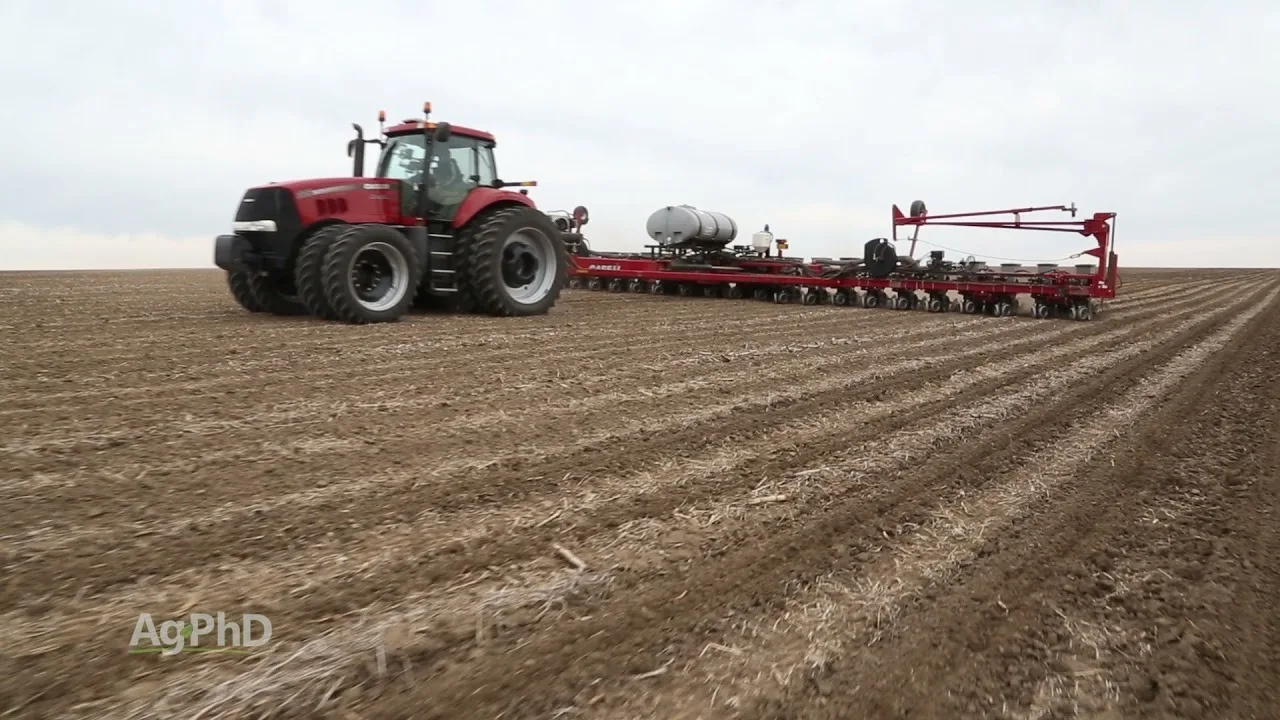
Planter closing wheels help cover the seed furrow and press soil around the seed during planting. For these wheels to function properly, they need to rotate smoothly and remain securely mounted. Worn or damaged bearings can cause rough rotation, excessive movement, and additional wear on surrounding components. Regular inspection helps farmers identify these problems early and reduce avoidable equipment downtime. Understanding how to inspect and maintain bearings for planter closing wheels can help keep planting equipment in good working condition throughout the season.
Why Closing Wheel Bearings Need Regular Inspection
Closing wheel bearings operate in conditions where soil, dust, moisture, and crop residue are common. Over time, these factors can contribute to contamination, corrosion, and wear, particularly when protective seals or shields are damaged.
A worn bearing may cause a wheel to wobble, rotate unevenly, or produce unusual noise. However, similar symptoms can result from a damaged axle, worn bushings, or loose mounting hardware. Inspecting the complete assembly helps identify the actual cause before repairs are made.
Checking the bearings before planting season and during routine maintenance can help prevent small issues from developing into more disruptive equipment problems.
How to Inspect Bearings on Planter Closing Wheels
Before inspecting the closing wheels, park the planter on level ground, shut down the tractor, and secure the equipment according to the manufacturer's safety instructions. Once the equipment is safe to work on, begin by checking the wheel's movement.
Hold the closing wheel and gently move it from side to side to check for excessive play. Unusual looseness may indicate a worn bearing, but it is also important to examine the axle, bushings, and mounting hardware. Next, rotate the wheel by hand. Grinding, catching, or rough movement can indicate bearing damage, corrosion, or contamination.
The bearing area should also be checked for accumulated dirt, rust, and damaged protective seals or shields. These components help keep contaminants away from the bearing surfaces, so any visible damage should be addressed according to the manufacturer's recommendations. Avoid directing high-pressure water at bearing seals, as this can force moisture or debris into the assembly.
Finally, inspect the axle, hub, fasteners, and closing wheel arm for wear or damage. A loose fastener or worn mounting component can affect wheel movement even when the bearing remains serviceable. Checking these parts together helps prevent unnecessary replacements and ensures that the assembly is properly secured.
Best Practices for Maintaining Closing Wheel Bearings
Keeping the bearing area clean is a simple but important part of planter maintenance. Remove accumulated soil, mud, and crop residue using a suitable cleaning method that will not damage the seals. After cleaning, examine the area for corrosion, cracks, or other visible signs of wear.
Lubrication requirements depend on the bearing design. Some bearings require periodic greasing, while sealed bearings may be designed to operate without additional lubricant. Always follow the bearing manufacturer's instructions rather than applying grease to every bearing as a general rule. Incorrect lubrication or over-greasing can cause problems instead of improving performance.
When a bearing feels rough, binds during rotation, or allows excessive movement, determine whether it can be serviced or needs replacement. Damaged seals and visible corrosion also warrant closer inspection. Replacement bearings should match the required dimensions, load rating, and mounting arrangement. Correct installation is equally important because improper fitting can damage the new bearing or surrounding components.
When Should You Inspect Closing Wheel Bearings?
The best time to inspect bearings is before planting season, when there is an opportunity to identify wear and complete necessary repairs before fieldwork begins. Bearings should also be checked during routine planter maintenance and after working in particularly wet, muddy, or dusty conditions.
Before storing the planter, clean the wheel assemblies and check for visible damage or excessive movement. Addressing problems before storage can make equipment preparation easier when the next planting season approaches. The exact inspection and lubrication schedule should follow the planter and bearing manufacturers' recommendations.
Choosing the Right Replacement Bearings
Selecting a compatible replacement is essential when a bearing can no longer operate reliably. Check the planter model, bearing dimensions, mounting arrangement, and manufacturer specifications before ordering. Bearings that look similar may not be suitable for the same application.
Farm Shop MFG offers Germinator closing wheel products with bearing options, including standard and high-speed configurations. Its product information also describes roller bearings with dirt and dust shields for the Germinator wheel assembly. Reviewing these details can help farmers understand the available configurations before choosing replacement components.
Keep Your Planter Ready for Planting Season
Closing wheel bearings are small components, but their condition can affect the movement and reliability of the wheel assembly. Regularly checking for excessive play, rough rotation, contamination, and damaged seals helps farmers identify potential problems before they cause further wear or interrupt fieldwork. Including bearings for closing wheels in your routine planter maintenance checks makes it easier to determine when cleaning, servicing, or replacement is needed. Pair these inspections with checks of the axle, mounting hardware, and closing wheel arm to maintain the complete assembly.