By Dr. Manisha D. Kadam – Obstetrician & Gynaecologist in Wagholi (Prisha Women’s Clinic)
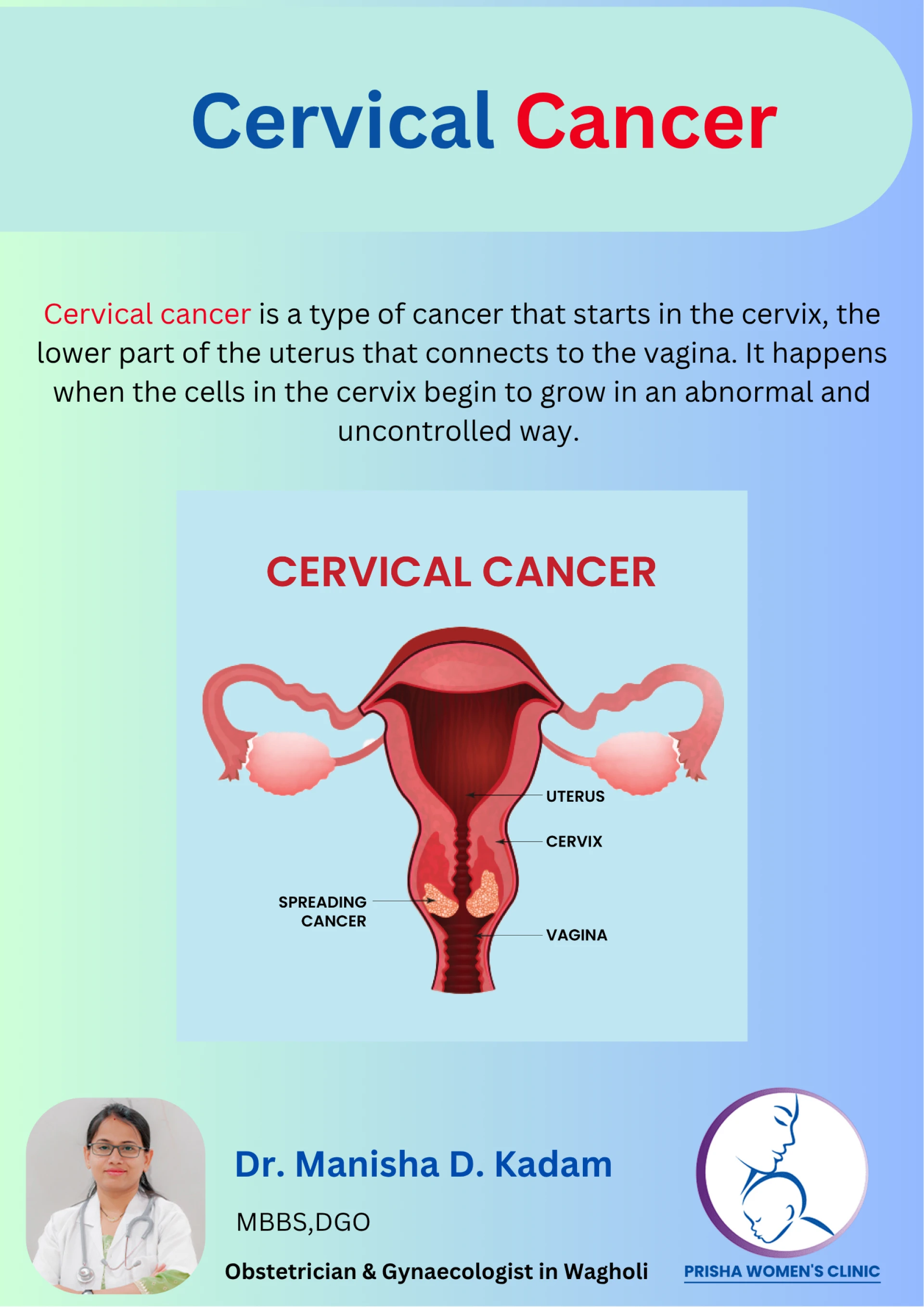
Cervical cancer remains one of the most preventable yet deadly cancers affecting women globally. Despite being highly preventable, it still claims thousands of lives each year, especially in developing countries like India. The Human Papillomavirus (HPV) vaccine has emerged as a powerful tool in the fight against cervical cancer.
As Dr. Manisha D. Kadam, an Obstetrician & Gynaecologist in Wagholi with over 10+ years of experience, I have witnessed firsthand the impact that timely prevention and education can have on women’s health. At Prisha Women’s Clinic, we are committed to spreading awareness about the importance of the HPV vaccine and early cervical cancer screening.
What is HPV?
HPV (Human Papillomavirus) is a very common group of viruses with over 100 types. Most types are harmless and go away on their own. But some harmful types — especially type 16 and 18 — can cause cervical cancer over time.
The Link Between HPV and Cervical Cancer
Persistent infection with high-risk HPV types can cause changes in the cervical cells, which may eventually lead to cervical cancer if left untreated. Studies show that nearly 99% of cervical cancer cases are associated with HPV infection, making it one of the most preventable forms of cancer through vaccination and regular screening.
What is the HPV Vaccine?
The HPV vaccine is a safe and effective way to protect against the most common types of HPV that can cause cancer. It is given as 2 or 3 doses, depending on your age when you start the vaccine.
There are three types of HPV vaccines used around the world:
- Cervarix – protects against HPV types 16 and 18, which are the main causes of cervical cancer.
- Gardasil – protects against HPV types 6, 11, 16, and 18.
- Gardasil 9 – protects against nine HPV types, offering broader protection.
Who Should Get the HPV Vaccine?
According to WHO and ICMR guidelines, the HPV vaccine is most effective when given before exposure to the virus, ideally between ages 9 and 14. However, it can still be beneficial for women and men up to the age of 26—and in some cases, even later.
Recommended Age Groups:
- Girls (and boys) aged 9–14 years – Best age to receive 2 doses.
- Women aged 15–26 – Can receive a 3-dose schedule if not vaccinated earlier.
- Catch-up vaccination up to age 45 can be discussed with your doctor.
Why Every Woman Should Consider It
1. Long-Term Protection
The vaccine offers protection for at least 10–15 years, and possibly longer, reducing the risk of developing cervical and other HPV-related cancers.
2. Safe and Well-Studied
Millions of doses have been administered worldwide, and the vaccine has been extensively studied. It has an excellent safety record.
3. Protection Beyond Cervical Cancer
Besides cervical cancer, HPV is linked to other cancers such as vaginal, vulvar, anal, and throat cancers, which the vaccine can help prevent.
Cervical Cancer Screening Still Matters
Although the vaccine works very well, it doesn’t protect against all types of HPV. Therefore, regular cervical screening (Pap smear and HPV testing) is essential, even for vaccinated women.
At Prisha Women’s Clinic, we offer comprehensive cervical cancer screening options tailored to your age and risk factors. A Pap smear every 3 years (or HPV test every 5 years) can detect early changes and help prevent cancer before it develops.
Myths vs. Facts
Myth: Only sexually active women need the vaccine.
Fact: The vaccine works best when given before sexual activity begins.
Myth: It’s unsafe or causes infertility.
Fact: The vaccine is completely safe and does not affect fertility.
Myth: Adults don’t benefit from the vaccine.
Fact: Even adults can gain partial protection and reduce the risk of HPV-related cancers.
A Message from Dr. Manisha D. Kadam
As a dedicated Obstetrician & Gynaecologist in Wagholi, I strongly urge every woman and parent to prioritize HPV vaccination for themselves and their daughters. Prevention is always better than cure, and when it comes to cervical cancer, early action can be lifesaving.
At Prisha Women’s Clinic, we offer:
- HPV vaccination (Gardasil & Cervarix)
- Pap smear & HPV testing
- Cervical cancer awareness consultations
- Adolescent gynaecology counselling
Whether you're planning vaccination for your daughter or seeking screening for yourself, our clinic provides compassionate, expert care in a comfortable and private environment.
Final Thought
Cervical cancer is one of the few cancers that can be effectively prevented through timely vaccination and regular screening. The HPV vaccine is not just a medical advancement—it’s a life-saving opportunity that every woman and parent should consider seriously.
As an Obstetrician & Gynaecologist in Wagholi, I, Dr. Manisha D. Kadam, strongly advocate for increased awareness and early prevention. At Prisha Women’s Clinic, our goal is to empower women with the knowledge and tools they need to take control of their health.
Protect yourself. Protect your daughters. Together, we can eliminate cervical cancer.