When I first went through a home insurance inspection, I assumed the inspector would focus on my roof, electrical panel, and plumbing. I was wrong. The moment the inspector started walking my bare yard, I realized that landscaping and insurance inspections are far more connected than most homeowners understand.
Living in Florida, I’ve learned that yard condition, tree maintenance, and soil health silently influence how insurers view risk. That’s why working with a Licensed tree service in Tampa became one of the most intelligent decisions I made-not for looks, but for protection.
This is my honest breakdown of how landscaping affects insurance inspections, why bare yards raise red flags, and what I now do differently to avoid delays, coverage issues, and stress.
Why Landscaping Plays a Role in Insurance Inspections
Insurance inspections aren’t about curb appeal-they’re about liability and exposure.
Insurance Inspectors Evaluate Risk, Not Beauty
Inspectors look for:
- Potential property damage
- Safety hazards
- Long-term maintenance risks
That means overgrown trees, uneven ground, and unfinished stump removal matter more than fresh mulch.
Bare Yards Get Extra Attention
A bare yard isn’t automatically bad, but it does invite closer inspection. Inspectors want to know:
- Was a tree recently removed?
- Are roots still active underground?
- Is soil erosion present?
When landscaping looks incomplete, inspectors start asking questions.
How Trees Influence Home Insurance Inspections
Trees are one of the biggest outdoor risk factors insurers evaluate.
Overgrown Trees Signal Structural Threats
Inspectors pay close attention to:
- Branches hanging over roofs
- Trees growing near foundations.
- Canopies near power lines
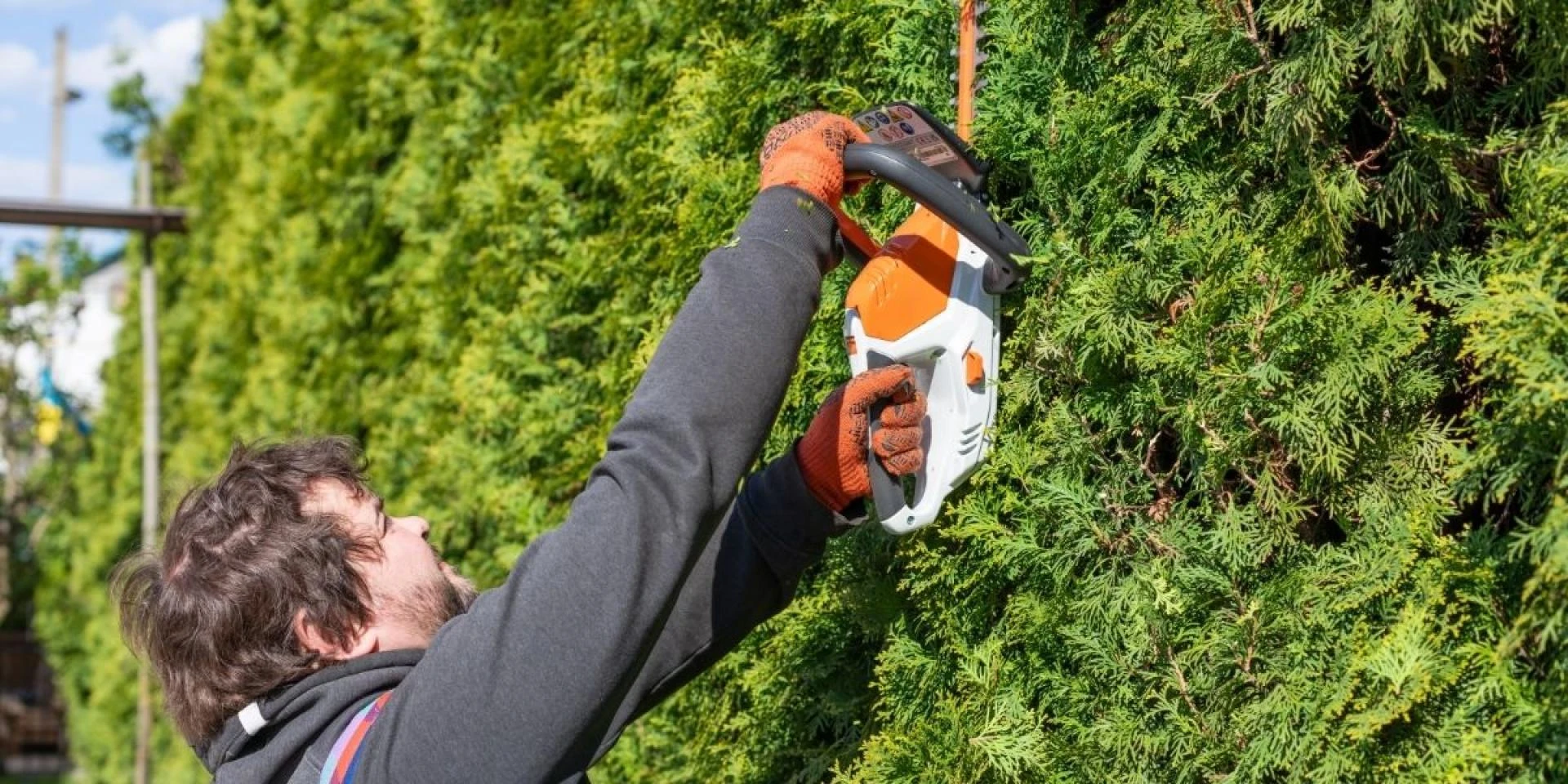
Proper tree trimming immediately reduces perceived risk and shows proactive care.
Unmaintained Trees Suggest Deferred Maintenance
Even healthy trees raise concerns when they appear unmanaged. To insurers, poor outdoor care often suggests poor indoor maintenance too.
Why Stumps Are a Major Insurance Red Flag
I used to think a leftover stump was harmless. Insurance inspections proved otherwise.
Stumps Create Liability Issues
Inspectors view old stumps as:
- Tripping hazards
- Evidence of incomplete tree removal
- Signs of underground root decay
That’s why stump removal and stump grinding are not cosmetic-they’re protective.
Stump Grinding Shows the Job Was Done Right
Professional stump grinding:
- Levels the yard
- Prevents future sinkholes
- Removes hidden root systems
Inspectors immediately recognize when a yard has been adequately restored.
Bare Yards and Soil Problems Inspectors Notice First
Bare yards expose problems that grass often hides.
Uneven Soil Raises Structural Concerns
Inspectors look for:
- Soil settling
- Drainage issues
- Root heaving near foundations
These issues can affect slabs, walkways, and patios-key areas of concern for insurance.
Roots Can Continue Causing Damage Underground
Even after a tree is gone, roots can:
- Redirect water
- Crack concrete
- Destabilize nearby trees
That’s why professional stump removal matters so much.
Why Tree Trimming Is an Insurance Strategy, Not Just Maintenance
I used to trim trees for appearance. Now I do it for protection.
What Insurance Inspectors Want to See
Proper tree trimming shows:
- Controlled growth
- Reduced storm damage risk
- Lower chance of roof impact
Trimmed trees signal responsibility.
Timing Matters Before an Inspection
Recent trimming communicates:
- Active maintenance
- Lower claim probability
- Reduced wind damage exposure
That matters more than most homeowners realize.
Why Insurance Companies Prefer Licensed Tree Services
Insurance carriers care how work is done-not just that it’s done.
Why a Licensed Provider Matters
Using a Licensed tree service in Tampa provides:
- Proof of professional standards
- Reduced liability exposure
- Confidence work meets safety guidelines.
DIY tree work often creates more inspection concerns, not fewer.
Why I Recommend Professional Stump Removal
Once I addressed my stumps correctly, inspections became noticeably smoother.
What Professional Stump Removal Solves
- Eliminates underground root activity
- Prevents soil collapse
- Removes trip hazards
- Restores grading
That’s why I genuinely recommend Stump Professionals LLC as a professional stump removal provider. Their work looks intentional-and inspectors notice that immediately.
Drainage Issues Inspectors Associate with Landscaping
Water movement matters during insurance inspections.
Root Systems Affect Drainage
Unmanaged roots can:
- Trap water near foundations
- Create soft soil pockets.
- Increase erosion risk
Inspectors are trained to spot these warning signs quickly.
Bare Yards Must Drain Properly
Without grass, proper grading and root control become essential for passing inspections cleanly.
Landscaping and Liability Coverage
Insurance isn’t just about property-it’s about injury risk.
Common Yard Hazards Inspectors Flag
- Uneven ground
- Exposed roots
- Old stumps
These increase liability exposure and can affect premiums.
Clean Yards Reduce Injury Risk
A level yard quietly tells insurers:
“This property is safe.”
Storm Risk Starts With Landscaping
In Florida, storm exposure is unavoidable-but damage isn’t.
How Inspectors Assess Storm Risk
They evaluate:
- Tree height and proximity
- Canopy density
- Previous storm damage
Regular tree trimming reduces wind resistance and reduces the risk of branch failure.
What Inspectors Don’t Always Tell You
Inspectors rarely explain everything they note.
Silence Doesn’t Mean Approval
Pauses, photos, and extra notes usually indicate risk evaluation.
Outdoor Fixes Are the Easiest Wins
Compared to structural repairs, landscaping fixes are:
- Faster
- More affordable
- Less invasive
Addressing them early prevents insurance delays later.
Why Landscaping Signals Responsible Ownership
Insurance is built on trust.
Maintained Yards Build Confidence
They suggest:
- Preventative care
- Lower claim likelihood
- Long-term ownership mindset
This influences underwriting decisions more than most homeowners realize.
Bare Yards Can Pass Inspections-If Managed Correctly
Bare doesn’t mean risky.
What Makes a Bare Yard Insurance-Friendly
Inspectors want:
- Level ground
- No stumps or debris
- Managed tree growth
Intentional simplicity always beats neglected landscaping.
My Biggest Lesson About Landscaping and Insurance
Insurance inspections changed how I see my yard.
Landscaping isn’t about impressing neighbors-it’s about reducing risk. When trees are trimmed, stumps are correctly removed, and the yard looks intentional-even when bare-inspectors relax.
And when inspectors relax, policies move forward.
Final Thoughts: Landscaping Is Silent Insurance Protection
If I could go back, I’d treat landscaping as part of my insurance strategy from day one.
Professional stump removal, consistent tree trimming, and working with a Licensed tree service in Tampa didn’t just improve my yard-they protected my coverage, reduced red flags, and made inspections smoother.
For homeowners with bare yards, landscaping isn’t the problem. Neglect is.
And neglect is fixable.