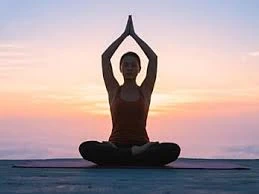
Yoga and meditation are time-honored practices that originated in ancient India and continue to play an important role in maintaining physical, mental, and emotional well-being. Rooted in the Indus Valley civilization, yoga was developed as a holistic system aimed at creating harmony between the body, mind, and inner self. Over centuries, these practices have evolved while retaining their core purpose of fostering balance, awareness, and inner peace.
Yoga and Ayurveda are closely connected and are often described as sister sciences. Both share a common philosophical foundation and emphasize prevention, balance, and self-care. While Ayurveda focuses on lifestyle, diet, and therapies to maintain health, yoga complements this by strengthening the body and calming the mind.
Understanding the Philosophy of Yoga
Yoga is not limited to physical exercise. It is a comprehensive system of self-development that addresses physical health, mental clarity, ethical living, and spiritual growth. Traditional yoga teachings emphasize that true well-being comes from balancing all aspects of life, including thoughts, actions, and awareness.
The classical framework of yoga outlines a structured path that encourages self-discipline, mindfulness, and inner transformation. This approach helps individuals cultivate stability and clarity in daily life.
The Eightfold Path of Yoga (Ashtanga Yoga)
The ancient yoga system describes eight interconnected limbs that guide individuals toward holistic well-being. These include ethical principles, personal discipline, physical postures, breath regulation, sensory control, concentration, meditation, and deep self-awareness.
Each limb supports the others, creating a balanced system that nurtures both physical vitality and mental focus. This integrated approach allows practitioners to progress gradually while building a strong foundation for long-term health.
Major Paths of Yoga Practice
Yoga offers different paths to accommodate individual personalities and life goals.
Raja Yoga emphasizes mental discipline and meditation. It focuses on calming the mind and developing inner awareness through structured practices.
Bhakti Yoga is the path of devotion and emotional connection. It encourages cultivating peace through faith, gratitude, and surrender.
Jnana Yoga is the path of knowledge and self-inquiry. It promotes awareness and understanding through reflection and wisdom.
These paths allow individuals to choose practices that align with their personal inclinations while working toward balance and self-realization.
The Role of Meditation in Daily Life
Meditation is an essential component of yoga and plays a vital role in modern wellness. Regular meditation helps calm the nervous system, improve concentration, and support emotional stability. In today’s fast-paced world, mindfulness and meditation offer tools to manage stress and mental fatigue.
Meditation encourages awareness of thoughts and emotions without judgment, helping individuals develop clarity and resilience over time.
Benefits of Regular Yoga and Meditation Practice
Consistent practice of yoga and meditation can support:
Improved flexibility and posture
Better breathing and circulation
Reduced stress and anxiety
Enhanced focus and mental clarity
Improved sleep quality
Greater emotional balance
These benefits make yoga and meditation suitable for people of all ages and lifestyles.
Yoga and Meditation Sessions
Guided yoga and meditation sessions provide structure, safety, and personalized guidance. Sessions may be conducted individually or in groups and can be adapted based on age, physical condition, and personal goals. Regular guided practice helps deepen understanding and ensures correct techniques.
Conclusion
Yoga and meditation are timeless practices that remain highly relevant in modern life. By addressing physical health, mental clarity, and emotional balance together, they offer a holistic approach to well-being. With regular practice, individuals can experience improved awareness, stability, and overall quality of life.
For those seeking balance and mindfulness in today’s busy world, yoga and meditation provide practical and meaningful tools for long-term wellness.