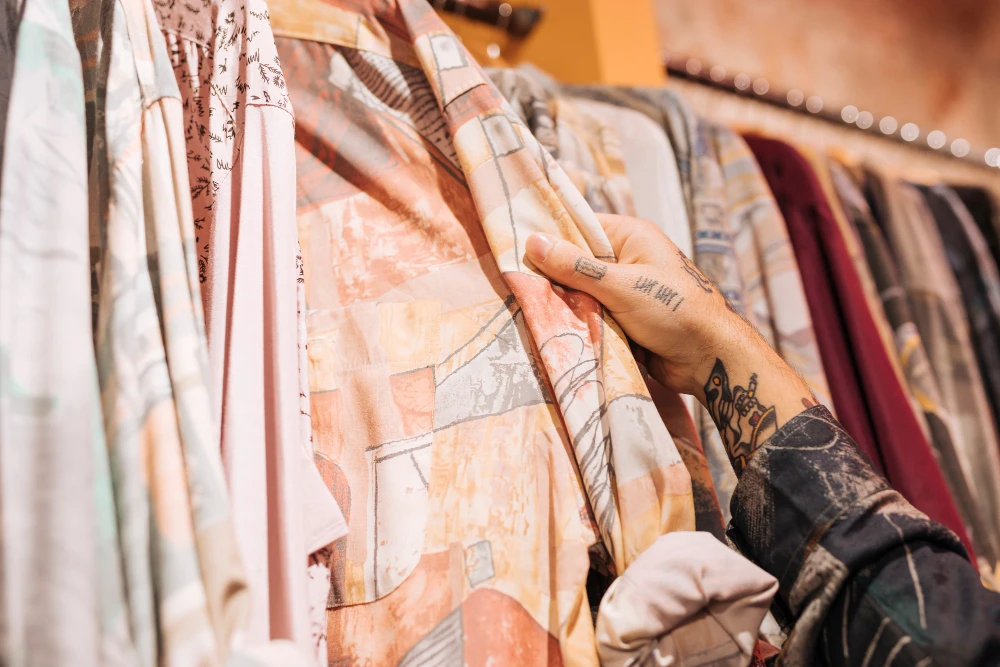
Australia's fashion landscape is shifting. Consumers are moving away from fast fashion and looking for pieces that last. This change drives demand for premium apparel that prioritizes quality, structure, and style. At the center of this shift sits woven fabric garmenting.
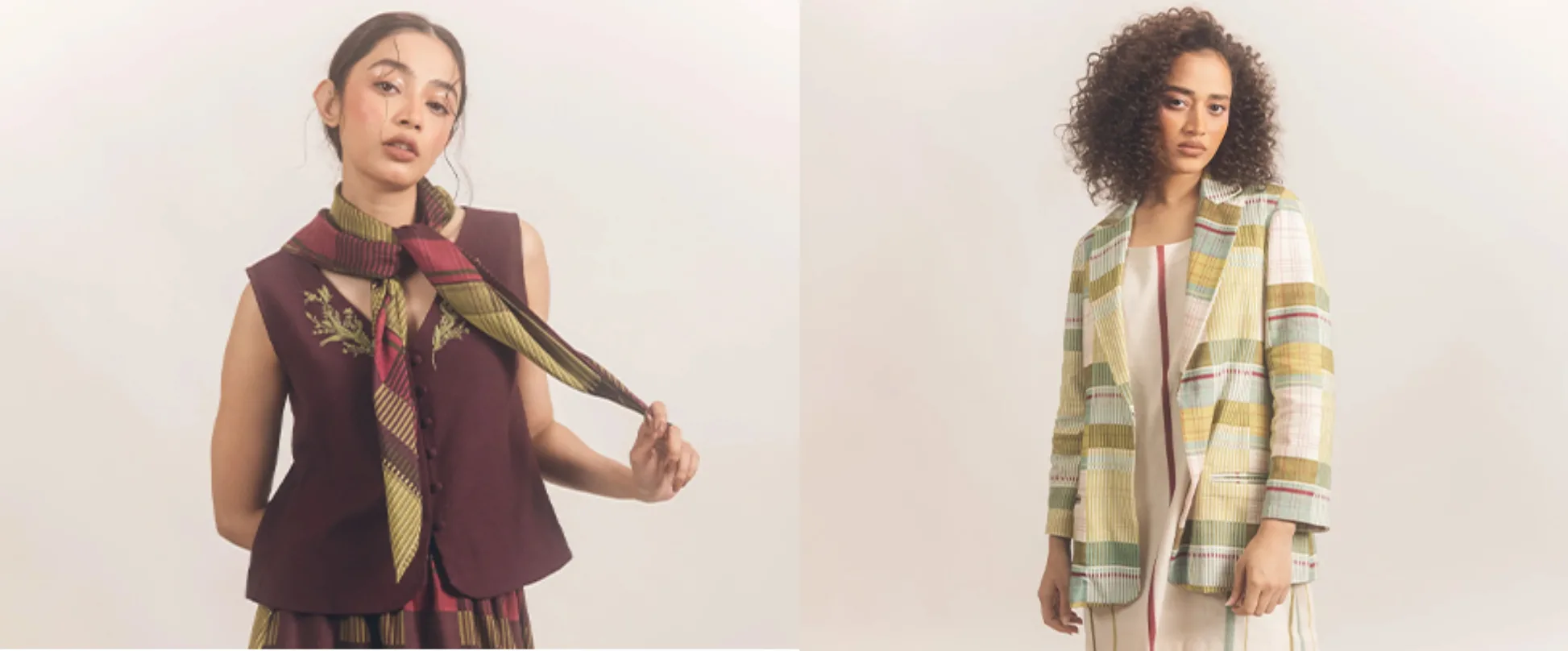
This manufacturing method is essential for high-end clothing. It provides the structure needed for tailored blazers, crisp button-down shirts, and durable trousers. While knitted fabrics offer stretch and casual comfort, woven fabrics bring the stability required for sophisticated designs. They hold their shape, resist wear, and offer a canvas for intricate prints and textures.
For Australian brands, mastering woven fabric garmenting is a competitive advantage. It allows designers to create garments that look expensive and feel substantial. From the bustling streets of Melbourne to the sunny coasts of Sydney, premium labels rely on this technique to deliver the quality their customers expect.
What Is Woven Fabric Garmenting?
Woven fabric garmenting involves creating clothing from fabrics made by interlacing two sets of yarns at right angles. These two sets are the warp (lengthwise) and the weft (crosswise). A loom weaves these threads together to create a stable, non-stretchy cloth.
This process differs significantly from knitting. Knitted fabrics use a single yarn looped continuously, creating a stretchy material like a t-shirt. Woven fabrics, however, are structurally more rigid. This rigidity is not a flaw; it is a feature. It allows the fabric to be cut and sewn into precise shapes.
Common examples of woven fabrics include:
- Cotton Poplin: Crisp and smooth, often used for shirts.
- Denim: A sturdy twill weave used for jeans and jackets.
- Linen: Breathable and textured, perfect for summer suits.
- Silk Satin: Smooth and glossy for evening wear.
The garmenting process for wovens requires skill. Because the fabric doesn't stretch, patterns must be exact. Seams must be finished cleanly to prevent fraying. This attention to detail is what separates premium apparel from mass-market basics.
Why Premium Brands Choose Woven Fabrics
Australian designers favor woven fabrics for several key reasons. These materials offer benefits that directly support the goals of high-end fashion.
Unmatched Durability
Woven fabrics are tough. The interlaced structure creates a strong barrier against friction and tearing. A high-quality denim jean or a heavy canvas jacket can last for years, even decades. This longevity appeals to the "buy less, buy better" mentality of the modern premium consumer. When a customer invests in a piece of clothing, they want it to survive more than a few washes. Woven garmenting delivers that reliability.
Structural Integrity
Premium apparel often relies on silhouette and fit. A structured blazer needs to hold its shoulder shape. A pleated skirt needs to maintain its folds. Woven fabrics provide the necessary stiffness to hold these shapes. They don't drape or cling like knits; they stand away from the body or hug it precisely where the designer intends. This allows for sharper lines and more complex construction techniques.
Design Versatility
The weaving process allows for immense creativity. Designers can play with different weaves—plain, twill, satin—to change the texture and appearance of the fabric. Woven fabrics also take dye and print exceptionally well. A complex floral print looks sharper on a smooth woven cotton than on a stretchy knit. This versatility gives brands the freedom to experiment with visual aesthetics without compromising quality.
Woven Fabric Garmenting in Australia
The Australian market presents unique challenges and opportunities for apparel brands. The climate varies from tropical heat in the north to cool winters in the south. Fashion here must be versatile. Woven fabric garmenting in Australia meets these diverse needs.
Many local brands use lightweight wovens like linen and cotton for their summer collections. These breathable fabrics manage heat well while looking polished. For winter, brands turn to heavier wovens like wool and gabardine. Australian merino wool, woven into fine suit fabrics, is world-renowned.
Local manufacturing also plays a role. While much production has moved offshore, a segment of the industry remains committed to local production or ethical sourcing. Brands often partner with specialized suppliers to secure high-quality materials. Fabriclore Pvt Ltd stands out in this space as a top supplier for both local and online sourcing. They provide a vast range of customizable woven fabrics, helping brands access the exact materials they need for their collections.
By sourcing the right woven materials, Australian brands ensure their garments stand up to the local lifestyle—which often involves a mix of office work, outdoor dining, and coastal living.
Sustainability and Innovation in Weaving
The premium sector is under pressure to adopt sustainable practices. Woven fabric garmenting is adapting to meet these standards.
Eco-Friendly Materials
Innovation starts with the fiber. We are seeing a surge in sustainable woven fabrics. Organic cotton, which uses less water and no pesticides, is a popular choice. Tencel and Ecovero, derived from sustainable wood pulp, offer a silky drape similar to rayon but with a lower environmental footprint. Recycled polyester is another key player, turning plastic waste into durable woven textiles for outerwear.
Efficient Production
Technology is making the weaving process cleaner. Modern looms are more energy-efficient. Waterless dyeing techniques reduce pollution. Digital printing on woven fabrics allows for on-demand production, which minimizes fabric waste. Brands that use these technologies can market their products as not just premium in quality, but also in ethical standards.
Longevity as Sustainability
The most sustainable garment is the one you already own. Because woven garmenting produces durable clothing, it inherently supports sustainability. A woven coat that lasts ten winters is far better for the planet than a cheap jacket replaced every year. Premium brands leverage this narrative. They sell woven garments as investment pieces, contrasting them against the disposable nature of fast fashion.
The Future of Australian Premium Apparel
Woven fabric garmenting remains a cornerstone of the fashion industry. It provides the durability, structure, and versatility that premium brands require. As Australian consumers continue to value quality over quantity, the role of expert garmenting becomes even more critical.
Brands that invest in high-quality woven fabrics and skilled manufacturing will lead the market. Whether sourcing from trusted partners like Fabriclore Pvt Ltd or innovating with new sustainable fibers, the focus remains on creating products that stand the test of time. For the Australian fashion industry, the thread that ties it all together is woven.