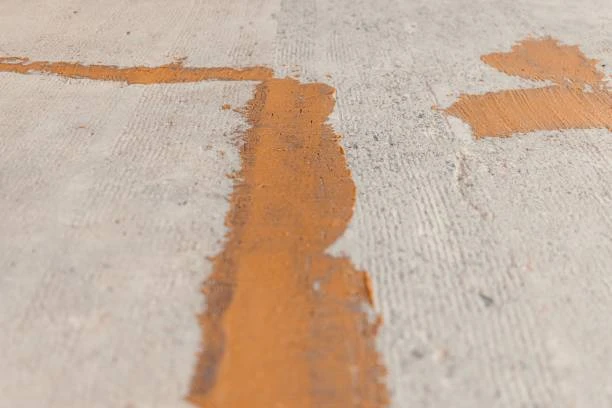
In a warehouse environment, floors take more abuse than almost any other surface. Constant forklift traffic, heavy racking systems, pallet movement, and daily operational wear all place immense stress on concrete slabs. Over time, this stress manifests as cracks. While these cracks may seem minor at first glance, ignoring them can quickly lead to serious structural issues, safety hazards, and costly downtime.

This is where warehouse floor crack repair plays a critical role. Proactive crack repair doesn’t just restore the surface - it protects your operations, equipment, and workforce. In this guide, we’ll explore why commercial concrete cracks form, how they escalate into major problems, and how timely, professional repair can save warehouse owners significant time and money in the long run.
Understanding Warehouse Floor Cracks
Concrete is known for its strength, but it isn’t flexible. As warehouse slabs expand and contract and carry heavy loads, cracking is almost inevitable. These cracks may appear due to natural curing, temperature changes, or structural movement.
Not all cracks are the same. Some are cosmetic, while others indicate deeper issues within the slab. The challenge lies in distinguishing which cracks require immediate attention and which can be safely monitored. In busy warehouse environments, even small cracks can disrupt operations if left untreated.
Warehouse floor cracks often start small, but they rarely stay that way. With continued traffic and vibration, they widen and deepen, eventually affecting the integrity of the floor.
Common Causes of Cracks in Commercial Concrete Floors
Understanding why cracks form is key to preventing future damage. In warehouse and industrial spaces, the most common causes include:
- Concrete Shrinkage During Curing: As concrete cures, it naturally loses moisture and shrinks. If this movement isn’t managed adequately with control joints, cracks can form across the slab.
- Heavy Load Stress: Warehouses are designed to handle weight, but repeated stress from forklifts, racking systems, and machinery can cause microfractures that grow over time.
- Subgrade Movement or Settlement: If the soil beneath the concrete shifts or wasn’t compacted properly, the slab may move unevenly, leading to structural cracking.
- Temperature and Moisture Fluctuations: In environments with varying temperatures and moisture, concrete expands and contracts. Over time, this movement contributes to cracking, especially in older warehouse floors.
- Poor Initial Installation: Inadequate surface preparation, insufficient reinforcement, or low-quality concrete mixes can all shorten the lifespan of a warehouse floor.
Why Ignoring Floor Cracks Is a Costly Mistake
Cracked warehouse floors aren’t just an aesthetic issue - they pose real operational and financial risks.
- Increased Equipment Wear
Forklifts and pallet jacks that repeatedly travel over cracked surfaces experience greater vibration and impact. This accelerates tire, axle, and suspension system wear.
- Safety Hazards for Workers
Uneven or broken concrete increases the risk of trips, slips, and accidents. In industrial settings, even a minor fall can lead to lost workdays or serious injury.
- Water and Chemical Infiltration
Cracks allow moisture, oils, and chemicals to penetrate the concrete. Over time, this weakens the slab and increases the risk of spalling or surface breakdown.
- Operational Downtime
Once cracks worsen, repairs become more invasive and time-consuming. Emergency repairs often mean shutting down sections of the warehouse, disrupting workflows and deliveries.
- Higher Long-Term Repair Costs
Addressing cracks early is far more cost-effective than dealing with widespread slab failure or whole floor replacement.
How Crack Repair Prevents Downtime and Damage
Timely commercial concrete crack repair addresses issues at the source before they escalate. By stabilizing cracks early, warehouse operators can avoid interruptions and extend the lifespan of their floors.
Professional crack repair restores surface continuity, preventing further movement and protecting the slab from moisture and debris infiltration. This proactive approach minimizes the need for large-scale repairs and keeps operations running smoothly.
In high-traffic warehouses, planned crack repair can often be completed in stages or during off-hours, reducing disruption and avoiding emergency shutdowns.
Types of Warehouse Floor Cracks and How They’re Treated
Not all cracks require the same repair approach. Identifying the crack type ensures the right solution is applied.
- Hairline and Shrinkage Cracks: These surface-level cracks are common in large slabs. While they may seem harmless, sealing them prevents moisture penetration and future widening.
- Structural Cracks: These deeper cracks often indicate movement or load-related stress. Repair typically involves high-strength fillers designed to restore load transfer and slab integrity.
- Control Joint Cracks: Control joints are intentional cuts designed to manage concrete movement. Over time, these joints can deteriorate and require professional filling to maintain floor performance.
- Spalled or Broken Edges: Cracks that lead to edge damage or surface flaking require patching and resurfacing to restore a smooth, safe finish.
Professional Crack Repair vs Temporary Fixes
Some warehouse operators resort to short-term fixes, such as surface patching or basic sealants. While these may provide temporary improvement, they rarely address the underlying issue.
Professional warehouse floor crack repair involves proper crack preparation, cleaning, and the use of industrial-grade repair materials designed to withstand heavy loads and constant traffic. These solutions restore structural performance rather than simply covering the problem.
Temporary fixes often fail under repeated stress, leading to recurring damage and higher repair costs over time.
When Should a Warehouse Floor Be Repaired?
Timing is critical when it comes to crack repair. Warehouses should consider a professional assessment when:
- Cracks are widening or lengthening
- Forklifts or pallet jacks begin to bounce or vibrate over damaged areas
- Water, oil, or debris collects in cracks
- Edges start to chip or break away
- Floor unevenness affects racking alignment or equipment stability
Early intervention allows repairs to be scheduled strategically, reducing the impact on daily operations.
Long-Term Benefits of Proactive Crack Repair
Investing in crack repair delivers more than just a smoother floor. Long-term benefits include:
- Extended Floor Lifespan: Crack repair maintains the slab's structural integrity, delaying the need for major resurfacing or replacement.
- Improved Safety and Compliance: A smooth, even floor reduces hazards and supports workplace safety standards.
- Reduced Maintenance Costs: Well-maintained floors place less strain on equipment and require fewer emergency repairs.
- Operational Efficiency: Fewer disruptions lead to smoother workflows, more reliable logistics, and improved productivity.
- Better Readiness for Future Floor Treatments: Crack-free floors are essential for coatings, polishing, or sealing applications, ensuring optimal performance and adhesion.
The Bottom Line
Warehouse floors are a foundational asset, supporting everything from inventory storage to daily operations. Cracks may seem like a minor issue, but they have a way of compounding into major problems when ignored.
By prioritizing warehouse floor crack repair, businesses can prevent unnecessary downtime, protect workers and equipment, and preserve the long-term value of their facilities. Proactive maintenance isn’t just a repair decision - it’s a smart operational strategy that pays off over time.
Whether your warehouse is new or decades old, addressing cracks early ensures your floor remains strong, safe, and ready for the demands of modern industrial use.
FAQs
1. Are cracks in warehouse floors normal?
Yes, some cracking is typical in concrete slabs. However, cracks should continuously be assessed to determine whether they pose structural or safety risks.
2. How quickly should warehouse floor cracks be repaired?
Cracks should be addressed as soon as they begin to widen, collect debris, or impact equipment movement. Early repair is more cost-effective.
3. Can crack repair be done without shutting down operations?
In many cases, yes. Professional repair can often be staged or scheduled during off-hours to minimize disruption.
4. Does crack repair improve floor lifespan?
Absolutely. Proper crack repair helps prevent further damage and significantly extends the service life of the concrete floor.