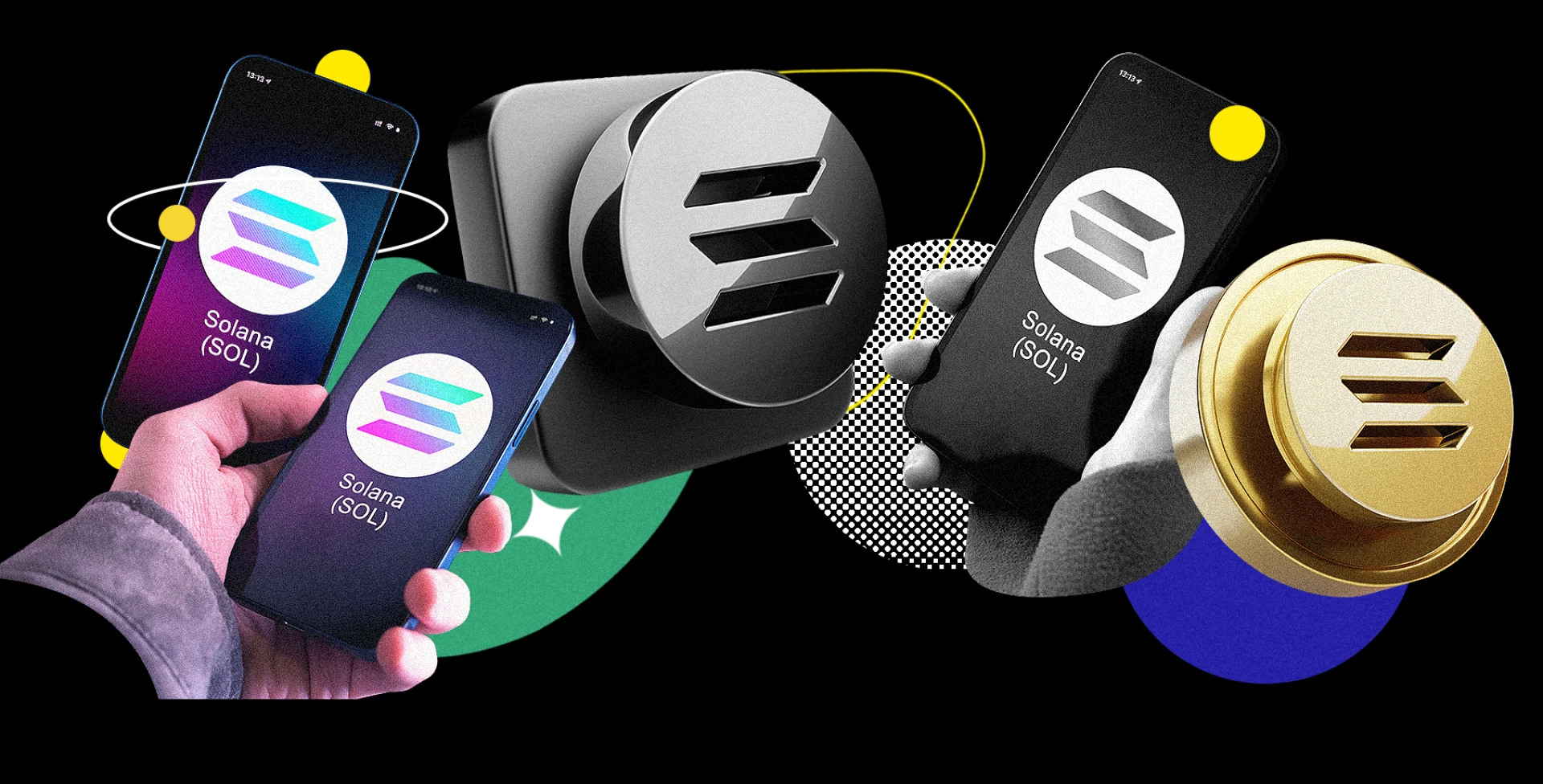
Developers building decentralized applications (dApps) face two major hurdles: creating seamless onboarding for users and managing complex wallet infrastructures. Traditional wallets often require seed phrases, browser extensions, and a steep learning curve, which slows down adoption. For developers aiming to scale, these barriers can be deal-breakers. This is where Wallet as a Service (WaaS) on Solana comes into play, providing developers with tools to simplify wallet integration and empower the creation of next-generation dApps.
What Is Wallet as a Service (WaaS) on Solana?
Wallet as a Service (WaaS) on Solana is a developer-friendly solution that allows seamless wallet integration into dApps. Instead of forcing users to download third-party wallets or handle private keys directly, WaaS enables developers to embed wallets within their applications. This approach balances ease of use with security, offering both custodial and non-custodial models depending on the project’s requirements.
For Solana specifically, the WaaS model benefits from its high throughput and low fees. Developers can deploy dApps that process thousands of transactions per second without worrying about bottlenecks or high costs, making it ideal for mainstream adoption.
Why Solana Is the Perfect Fit for WaaS
Solana’s architecture makes it particularly well-suited for WaaS solutions:
- Scalability: Solana can handle up to 65,000 transactions per second, allowing developers to build dApps for millions of users.
- Low Fees: Near-zero transaction costs ensure that microtransactions remain viable for gaming, NFTs, and DeFi.
- Speed: Transactions confirm almost instantly, offering Web2-like experiences that end-users expect.
When combined with Wallet as a Service (WaaS) on Solana, these features create the foundation for next-gen dApps that are both user-friendly and highly performant.
How WaaS Empowers Developers
Developers benefit directly from WaaS in several ways:
- Simplified Onboarding
- WaaS allows developers to eliminate friction for users. Instead of lengthy wallet setup processes, users can start interacting with a dApp immediately using familiar login methods like email or social accounts.
- Customizable Wallet Features
- Developers can design wallets that are tailored to their specific use cases—whether for gaming, DeFi, NFTs, or enterprise solutions. This flexibility ensures that the wallet aligns with the application’s unique ecosystem.
- Security and Compliance
- WaaS solutions on Solana offer built-in security measures such as multi-signature transactions and programmable permissions. Developers can focus on innovation while knowing that wallet security is already handled.
- Reduced Development Time
- By integrating Wallet as a Service (WaaS) on Solana, developers avoid reinventing the wheel. Pre-built APIs and SDKs accelerate time-to-market, allowing teams to focus on core product features.
Real-World Use Cases
The versatility of WaaS means developers across industries can unlock new possibilities:
- DeFi: Simplify staking, lending, and trading by embedding wallets directly into dApps.
- NFT Marketplaces: Allow users to buy, sell, and store NFTs without the hassle of external wallets.
- Gaming: Enable in-game asset ownership and transfers with zero interruptions to gameplay.
- Enterprise Solutions: Corporations can build blockchain-powered applications without requiring users to understand wallet mechanics.
These examples show how Wallet as a Service (WaaS) on Solana empowers developers to create frictionless, scalable, and future-ready applications.
Conclusion: Building the Future of dApps
For Web3 to reach its full potential, developers must prioritize usability and scalability. Wallet as a Service (WaaS) on Solana is the bridge that makes this possible, giving developers the tools to create next-gen dApps that feel as intuitive as Web2 platforms but are powered by blockchain’s security and transparency.
By simplifying onboarding, enhancing security, and reducing development overhead, WaaS is set to play a central role in the future of Web3 adoption. Developers who embrace this model on Solana are not just building applications—they’re shaping the foundation of a decentralized future.