
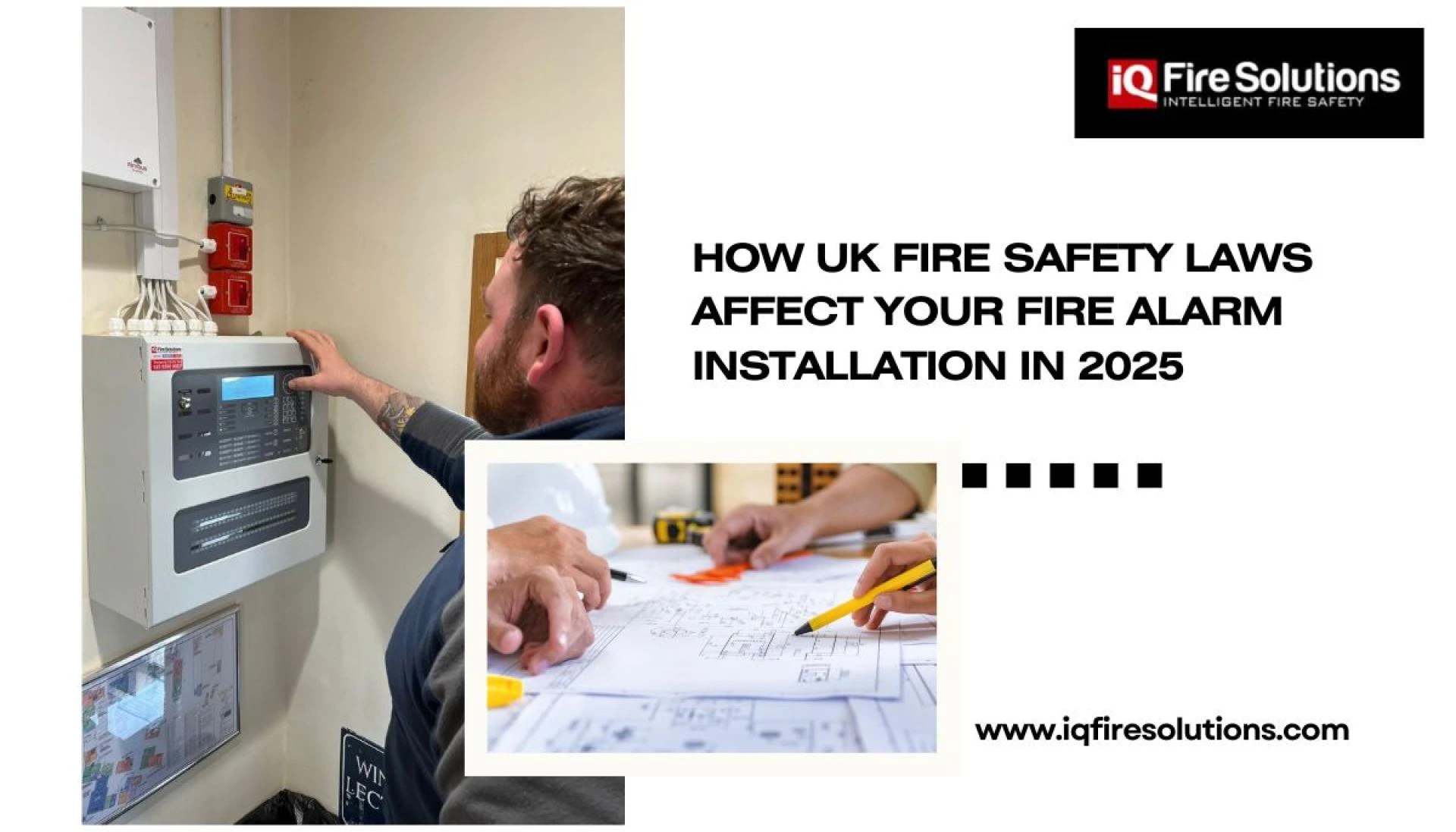
Fire safety rules across the UK have tightened over the past few years, and 2025 is the point where many of those changes stop being advisory and start becoming expected practice. If you’re planning a new system or upgrading an old one, you can’t treat it as a quick box-ticking job anymore. The law leans heavily toward responsibility, traceability, and systems that follow the actual risks inside a building rather than generic minimum coverage.
The thread running through all of this is simple: the government wants clearer accountability. The person in charge of a building must prove the system is suitable, properly installed, and maintained with care. And that proof has to hold up under inspection.
Let’s break down what this means for you in 2025.
Fire alarm companies Essex: Your Compliance Anchors
You can’t take shortcuts with installation now. Under the current rules, the “Responsible Person” has to show the system meets BS 5839 and that it’s been installed by competent professionals. That makes choosing the right specialists a bigger decision than many realise.
Working with well-known fire alarm companies in Essex means you’re getting people who know how local authorities interpret regulations and what each property type demands. And with the rise in both residential and commercial refurbishments this year, more people are turning to teams who can navigate building layouts that don’t always follow textbook patterns.
A good company won’t just sell a system. They’ll carry out or request the fire risk assessment, map out detection zones, confirm escape routes, and decide whether the building needs an L1, L2, L3, or other category system. They’ll also make sure you’re not left vulnerable to issues that drag you back into non-compliance, such as poor detector placement, gaps in coverage, or outdated equipment.
Reputed fire alarm companies in Essex also provide the documentation you’ll need later: certificates of design, installation, and commissioning, along with maintenance schedules. If you’re a landlord, letting agent, facilities manager, or business owner, that paperwork protects you if there’s ever a fire, inspection, or insurance claim.
Fire alarm installation Essex: what 2025 rules expect from your system
The first thing to understand is that fire alarm installation in Essex is no longer about sticking detectors in “common sense” places. The law requires a risk-led approach. The system must match how the building is used, how people move inside it, and what hazards are present.
Here’s what changes the way you plan an installation in 2025:
1. Stronger focus on BS 5839
Authorities expect installations to follow the latest version of BS 5839, not older practices. That includes detector spacing, wiring standards, sound levels, and how alarms communicate across floors.
2. Tougher expectations for HMOs
Shared homes remain a major focus. Most HMOs need a Grade A system, full coverage in escape routes, and detectors in bedrooms. Cutting corners isn’t an option anymore.
3. Renovations trigger upgrades
If you’re extending or remodeling, Building Control may require a system upgrade even if your old one technically worked fine.
4. Wireless systems aren’t always interchangeable
While wireless alarms have improved, they must still meet BS 5839’s reliability tests. If the building layout causes interference or signal drops, you’ll be expected to switch to a wired setup.
Experienced professionals will factor all this in before a single device goes on a wall. And with more retrofits happening this year, a second fire alarm installation Essex assessment often uncovers old wiring or outdated panels that need replacing before the new system can be signed off.
Fire alarm monitoring Essex: why it matters more in 2025
Monitoring used to be seen as optional for smaller businesses or residential blocks. That mindset is fading fast. Fire Brigades across the UK have made it clear that early notification saves lives and reduces damage. Insurers now look closely at whether properties have some form of continuous oversight.
Choosing a reliable company for fire alarm monitoring in Essex means your system triggers a response even when the building is empty or you’re away from home. In 2025, that’s especially important because:
Insurers ask for proof of proactive safety.
Monitored systems help with premiums and reduce the chances of a claim being challenged.
Larger buildings need guaranteed detection.
If you’re responsible for a multi-occupancy property or commercial space, the expectation is that fires won’t go unnoticed.
It strengthens your compliance record.
In an investigation, authorities check how quickly the alarm was raised. Monitoring shows you took reasonable steps.
With rising demand for smarter systems, many property owners are adding a second layer of protection through fire alarm monitoring in Essex services because they offer both peace of mind and better alignment with updated UK safety expectations.
Why 2025 demands better fire alarm installation and monitoring
The biggest shift isn’t the equipment; it’s the mindset. Fire safety is no longer about meeting the bare minimum. It’s about designing systems that reflect real risks, installing them correctly, proving they’re compliant, and keeping them in good condition year-round.
If you plan well, use competent professionals, and stay aligned with current standards, you end up with a system that performs better, triggers fewer false alarms, and protects you legally and financially.
If you want, I can add a meta description, create matching PPC ad copy, or turn this into a content cluster for your site.
Author Bio
The author writes practical, no-nonsense guides for property owners, landlords, and businesses across the UK’s safety and compliance sectors. He specialises in turning complex regulations into clear, useful advice that helps readers make confident decisions about their buildings. With a focus on fire safety, security systems, and modern building standards, his work is trusted by service providers and homeowners looking for clarity without the jargon.