
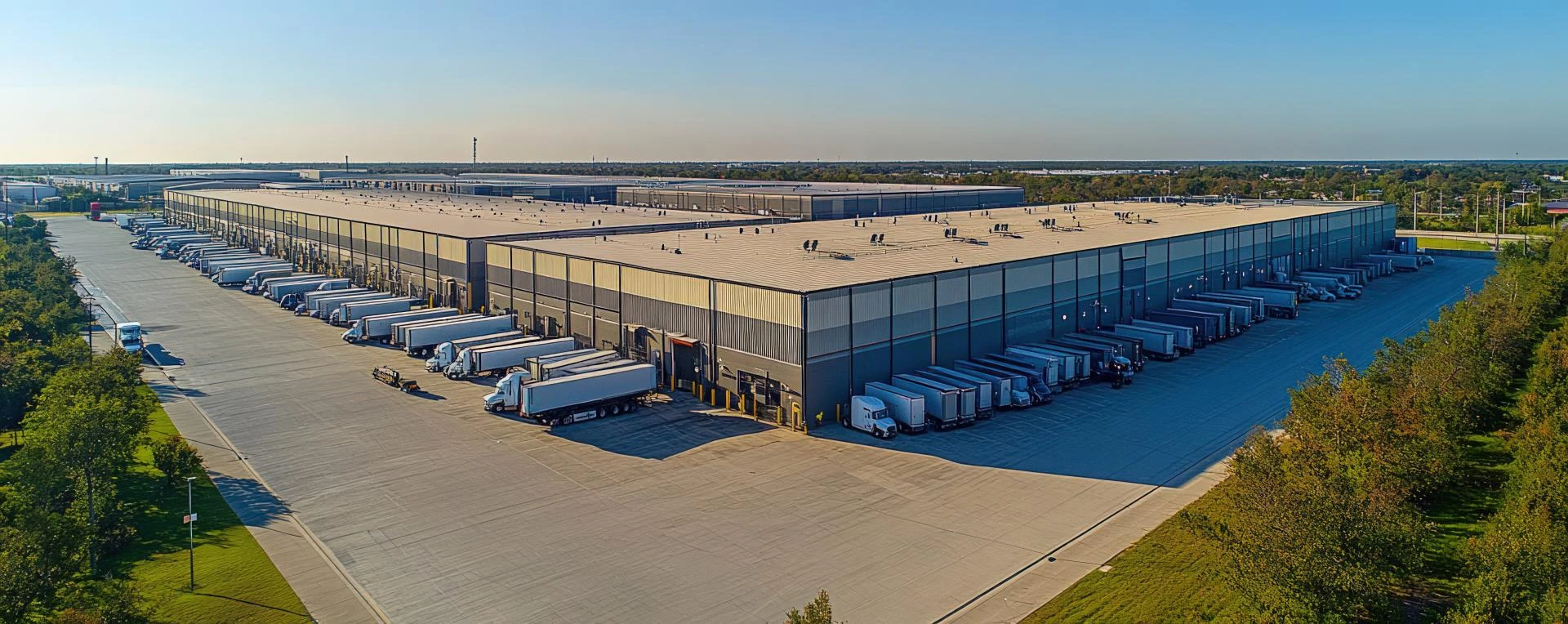
The trucking industry is the backbone of the American economy, moving nearly 72% of the nation’s freight each year. Yet, despite its crucial role, truck drivers face one persistent and often overlooked issue — a shortage of safe, reliable truck parking. Across highways, logistics hubs, and rest stops, finding a secure place to park a commercial vehicle has become increasingly difficult. This shortage doesn’t just inconvenience drivers — it affects safety, efficiency, and the overall supply chain.
In this article, we’ll explore the current state of truck and trailer parking in the USA, the challenges drivers face, the innovations transforming parking solutions, and the potential future of this critical infrastructure sector.
The Scope of the Parking Problem
According to a U.S. Department of Transportation (DOT) study, for every 11 truck drivers on the road, there is only one available legal parking space. This imbalance forces many drivers to make difficult choices — either park illegally or drive beyond their hours-of-service (HOS) limits searching for parking.
Key Contributing Factors:
- Growing Freight Demand: The e-commerce boom and increased freight volumes have added more trucks to the roads, intensifying the need for parking.
- Limited Infrastructure Expansion: Despite the growing number of trucks, parking capacity has not kept pace. Many public rest areas remain small, outdated, or closed due to budget constraints.
- Land Use and Zoning Restrictions: Urban and suburban areas often resist new truck parking developments due to noise, emissions, or aesthetic concerns.
- Safety Concerns: Parking in unauthorized or poorly lit areas exposes drivers and cargo to theft, vandalism, and personal safety risks.
The result is a nationwide shortage that costs drivers valuable time, fuel, and rest.
Safety and Economic Impact
The lack of available truck parking has serious consequences. When drivers cannot find a safe place to park:
- They often park on highway shoulders or exit ramps, increasing accident risks.
- Many exceed HOS limits to continue driving toward rest stops, risking fines or fatigue-related crashes.
- Wasted search time leads to productivity losses estimated at over $5,000 per driver annually, according to the American Transportation Research Institute (ATRI).
For the broader economy, this inefficiency translates into delayed deliveries, increased shipping costs, and strain on supply chains already under pressure from driver shortages and high demand.
Federal and State Initiatives
Recognizing the urgency, several federal and state programs have taken steps to address the issue.
1. Jason’s Law
Named after Jason Rivenburg, a truck driver tragically killed while parked at an unsafe location in 2009, Jason’s Law was enacted to ensure safe truck parking availability nationwide. It mandates the Federal Highway Administration (FHWA) to assess and improve truck parking infrastructure and allocate funding for parking projects.
2. Infrastructure Investment and Jobs Act (IIJA)
The IIJA (2021) includes funding opportunities for states to expand or modernize truck parking facilities, improve rest area technology, and incorporate smart infrastructure systems.
3. State-Level Projects
States like Florida, Tennessee, and Iowa have launched innovative programs, combining public funding with private partnerships to expand truck stops and create real-time parking availability systems.
Private Sector and Tech Innovations
While government programs provide a framework, much of the innovation is coming from private companies and technology providers.
1. Smart Parking Systems
Technology now allows for real-time parking availability through sensors, cameras, and connected data platforms. App such as Semiyard Driver help drivers locate available spaces, reserve parking, and navigate directly to them.
This reduces wasted time and fuel while improving driver satisfaction.
2. Private Parking Networks
Some logistics companies and landowners are turning underutilized lots into commercial truck parking facilities. These sites often feature amenities like showers, Wi-Fi, maintenance services, and 24/7 security.
Platforms like Semiyard.com connect these lots with drivers, creating a digital marketplace for parking access.
3. Data-Driven Optimization
Fleet managers now integrate parking data into routing software. By factoring parking availability into trip planning, fleets reduce violations, delays, and downtime.
AI-based systems predict parking demand and suggest optimal rest points based on driver hours, traffic patterns, and delivery schedules.
Benefits of Safe and Secure Truck and Trailer Parking
Investing in better parking infrastructure has far-reaching benefits for multiple stakeholders.
For Drivers:
- Safety and Rest: Secure, well-lit lots allow drivers to comply with HOS rules and rest without fear of theft or harassment.
- Convenience: Access to amenities like food, showers, and Wi-Fi improves quality of life on the road.
- Peace of Mind: Knowing that their cargo and equipment are safe reduces stress and improves job satisfaction.
For Fleet Owners and Shippers:
- Reduced Liability: Proper rest reduces accident risks and insurance claims.
- Operational Efficiency: Predictable parking improves scheduling, fuel efficiency, and on-time delivery.
- Driver Retention: Providing parking solutions shows commitment to driver welfare — a key factor in retention.
For Communities:
- Reduced Illegal Parking: Adequate parking decreases roadside congestion and enhances highway safety.
- Economic Growth: Truck stops and rest facilities create jobs and attract local spending.
Emerging Trends in Truck and Trailer Parking
As the logistics industry continues to evolve, so too does the approach to parking solutions. Here are some key trends shaping the future:
1. Dedicated Parking Hubs
Large-scale developments near freight corridors and intermodal hubs are emerging as truck parking campuses, offering fueling, repair, rest, and logistics services in one secure location.
2. Public-Private Partnerships (P3s)
Collaboration between governments and private investors is becoming more common. States provide land or funding incentives, while private companies build and manage facilities — creating sustainable, scalable parking models.
3. Green and Sustainable Parking
New parking sites are integrating solar lighting, electric vehicle (EV) charging stations, and stormwater management systems. As the trucking industry transitions to electric fleets, EV-ready parking infrastructure will become essential.
4. Automated and Reservation-Based Systems
Future parking lots may adopt automated gate entry, digital payment systems, and reservation-only access to streamline parking and improve security.
5. Integration with Autonomous Trucks
As autonomous and semi-autonomous trucks become more prevalent, smart parking facilities will play a vital role in managing idle vehicles and optimizing freight flow during rest or charging periods.
Overcoming Barriers to Progress
Despite these promising developments, several challenges remain:
- High Land Costs: Finding affordable land near major freight routes is increasingly difficult.
- Community Resistance: Local zoning boards often reject parking projects due to perceived noise, pollution, or crime concerns.
- Funding Gaps: Many state transportation budgets prioritize road maintenance over parking expansion.
- Coordination Issues: Federal, state, and private efforts often operate in silos, slowing progress.
Addressing these barriers requires collaboration among policymakers, trucking associations, technology developers, and the driving community.
The Road Ahead
The future of truck and trailer parking in the USA lies in innovation, collaboration, and investment. The integration of technology with infrastructure planning offers new hope for solving the parking crisis. With ongoing government support, private sector participation, and increased public awareness, the industry can create a nationwide network of safe, efficient, and accessible parking spaces.
Ultimately, ensuring that America’s truck drivers have secure places to rest isn’t just a matter of convenience — it’s a matter of safety, productivity, and respect for the professionals who keep our economy moving.
Final Thoughts
The semi truck and trailer parking issue reflects a broader challenge in the U.S. transportation ecosystem — balancing growth with infrastructure readiness. However, through a combination of policy support, technological innovation, and industry commitment, the nation can pave the way for a smarter, safer, and more connected future.
For fleet operators, logistics companies, and truck stop owners, now is the time to invest in parking solutions that not only meet today’s demand but also anticipate tomorrow’s challenges. With the right strategies, the parking shortage can transform from a national problem into a business opportunity — one that benefits drivers, companies, and the economy alike.