Landing a data analyst role starts with a resume that clearly communicates your skills, experience, and problem-solving ability. In a competitive job market, your resume must go beyond listing tools—it should demonstrate how you create value using data. Here’s how to craft a data analyst resume that actually gets interviews.
1. Start with a Strong Professional Summary
Your resume should begin with a concise summary that highlights your key strengths. Focus on your experience, technical expertise, and the kind of roles you are targeting.
For example, instead of saying “aspiring data analyst,” write something like:
“Detail-oriented data analyst skilled in SQL, Python, and data visualization, with experience in transforming raw data into actionable business insights.”
This immediately positions you as a capable candidate.
2. Highlight Relevant Technical Skills
Recruiters often scan resumes for specific tools and technologies. Create a dedicated skills section and include:
- SQL
- Excel
- Python or R
- Data visualization tools (Power BI, Tableau)
- Statistics and data analysis techniques
Be honest and list only the skills you are comfortable discussing in an interview.
3. Showcase Projects with Impact
If you don’t have much work experience, projects can make a huge difference. Instead of just listing them, focus on outcomes.
Weak example:
“Worked on a sales dataset using Excel.”
Strong example:
“Analyzed sales data using Excel to identify a 15% decline in quarterly revenue, helping suggest strategies for improvement.”
Always include:
- Problem statement
- Tools used
- Key insights or results
This shows your ability to think like an analyst.
4. Use Numbers and Results
Quantifying your achievements makes your resume more credible. Wherever possible, use metrics:
- Improved reporting efficiency by 20%
- Reduced data processing time by 30%
- Built dashboards tracking 10+ KPIs
Numbers help recruiters quickly understand your impact.
5. Tailor Your Resume for Each Job
Avoid sending the same resume everywhere. Carefully read the job description and align your resume with the required skills and responsibilities.
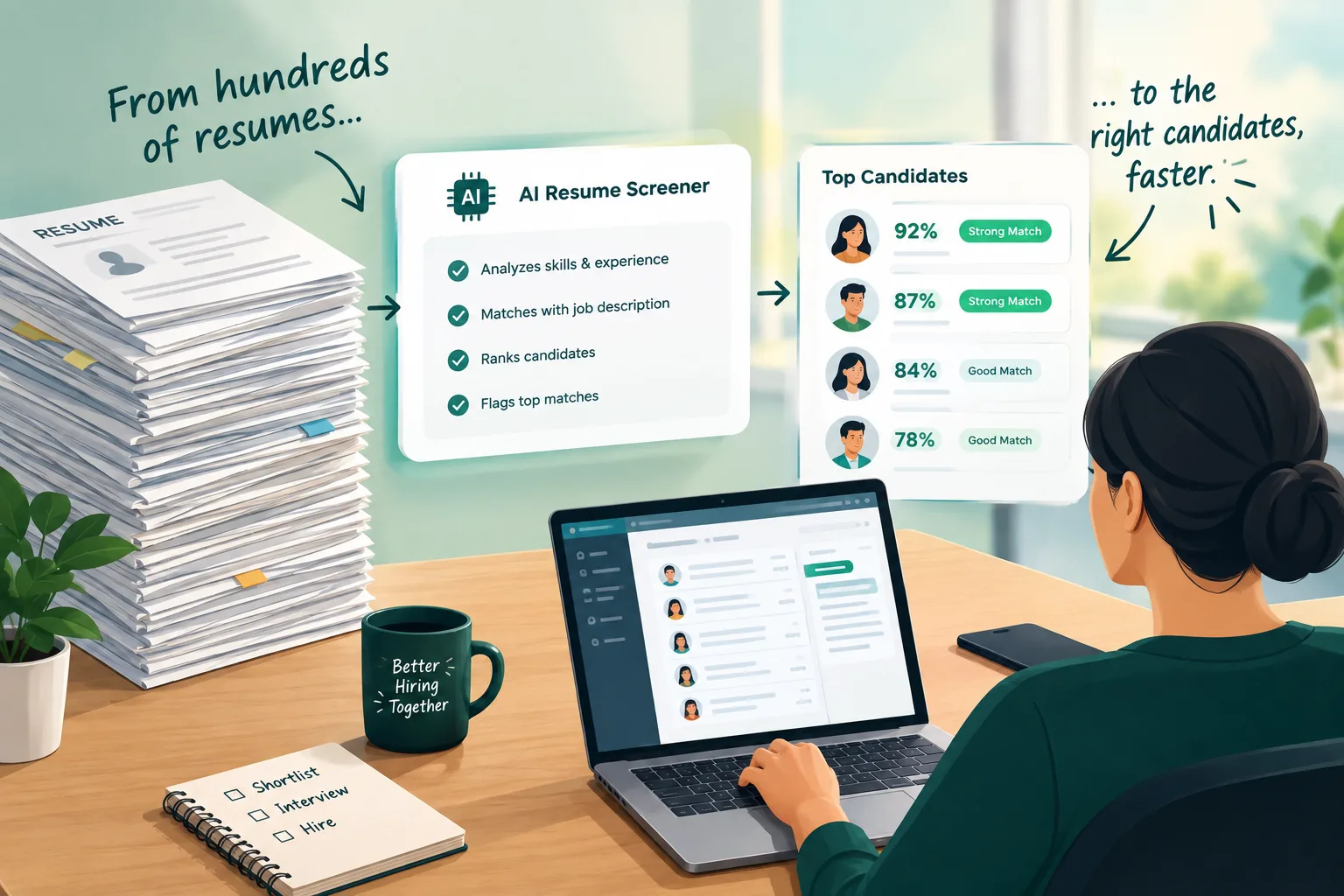
Use relevant keywords so your resume passes applicant tracking systems (ATS). This small step can significantly increase your chances of getting shortlisted.
6. Keep It Clean and Structured
A good resume is easy to read. Use:
- Clear headings
- Bullet points
- Consistent formatting
Keep it to one page if you’re a fresher, or two pages if you have experience. Avoid clutter and unnecessary details.
7. Prepare Beyond the Resume
A strong resume gets you interviews, but preparation helps you clear them. This is where platforms like Analytics Shiksha can be extremely valuable. Analytics Shiksha focuses on helping candidates prepare effectively through curated data analytics interview questions, practical insights, and guidance tailored for aspiring analysts. Combining a well-crafted resume with structured interview preparation gives you a significant edge over other candidates.
Conclusion
Writing a data analyst resume that gets interviews is about more than listing skills—it’s about telling a story of how you use data to solve problems. Focus on clarity, relevance, and measurable impact. Pair that with consistent preparation, and you’ll significantly improve your chances of landing your desired role.