
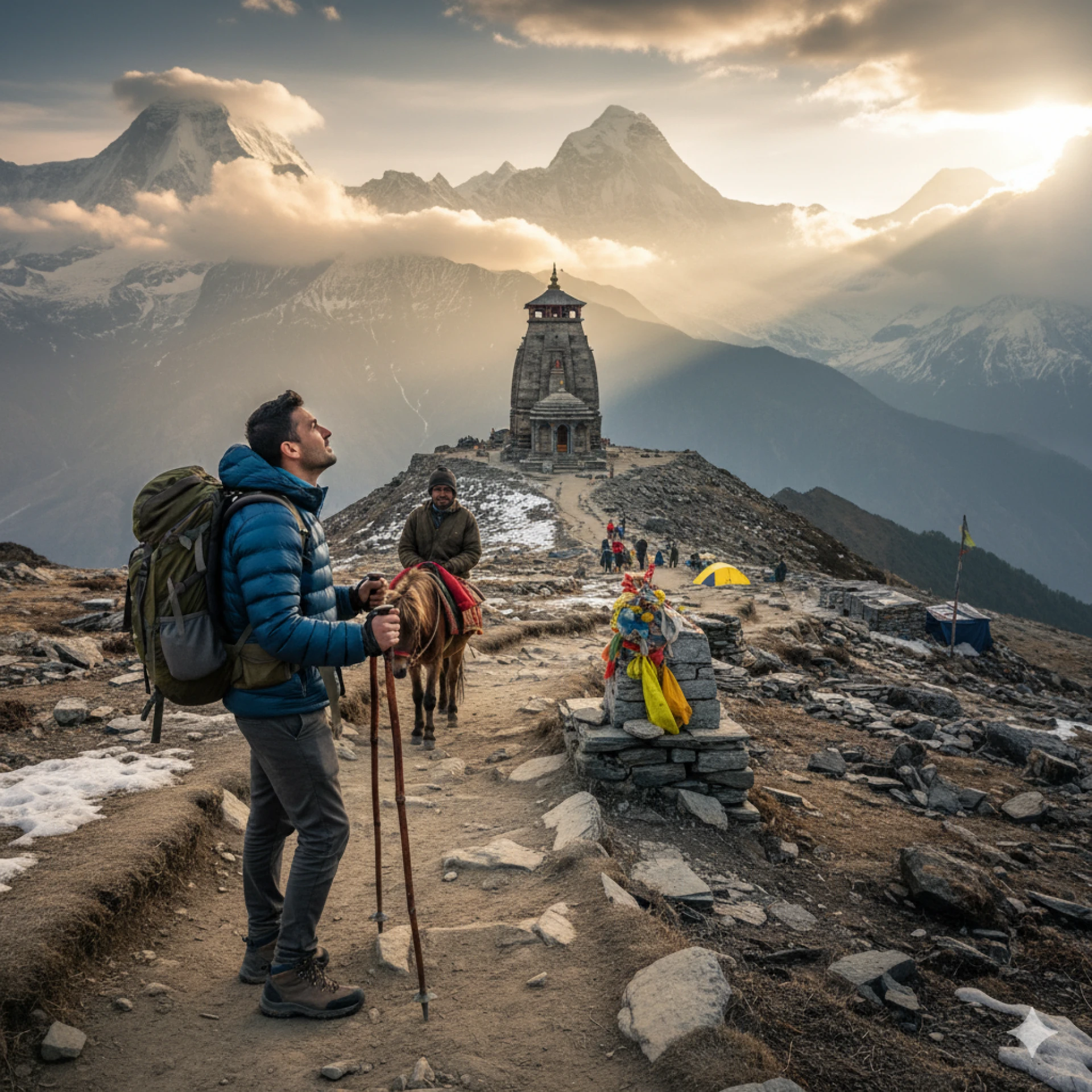
For pilgrims and adventure enthusiasts, the ultimate way to experience the divine presence of Kedarnath is by completing the trek. This guide outlines How to Visit Kedarnath from Delhi with a focus on preparing for and conquering the sacred trek. It's a journey that demands physical and mental fortitude, but the rewards are immeasurable.
The first part of your journey involves reaching Gaurikund, the official starting point of the trek. From Delhi, the best approach is to take an overnight train or bus to Haridwar or Rishikesh. This allows you to rest before the long road journey into the mountains. From these cities, you'll need to find a bus or shared jeep to Sonprayag. From Sonprayag, another short jeep ride takes you to Gaurikund. This part of How to Visit Kedarnath from Delhi is a gradual transition from the plains to the hills, giving you a chance to acclimatize.
The Kedarnath trek is a challenging 16-18 km ascent, and proper preparation is key. The path is well-defined and maintained, but it's a constant uphill climb with steep sections. The trek officially starts from Gaurikund and has several key checkpoints along the way: Jungle Chatti, Bheembali, and Linchauli. These points have small shops, tea stalls, and basic resting spots. You'll pass through stunning landscapes, including dense forests, waterfalls, and the Mandakini River. The last stretch from the Kedarnath base camp to the temple is the final test of your resolve.
The journey takes an average of 6-10 hours, depending on your fitness level. To make your trek more manageable, it's a good idea to start early in the morning, as the weather in the mountains can be unpredictable later in the day. The trek is typically open from 4:00 AM to 1:30 PM, after which entry is restricted due to the Kedarnath Wildlife Sanctuary.
For those concerned about the difficulty, there are options to assist you on the trek. Ponies and mules are available for hire, as are 'palkis' for those who cannot walk or ride. Booking these services at Gaurikund or Sonprayag is highly recommended, especially if you're not an experienced trekker. However, for a true trekking experience, walking is the most rewarding way to complete the pilgrimage.
Proper gear is non-negotiable for a successful trek. Your packing list should include layers of warm clothing, a waterproof jacket or poncho, and sturdy trekking shoes with a good grip. It's essential to avoid jeans or other heavy clothing that can become uncomfortable and restrictive. Carry a small backpack with essentials like a first-aid kit, some energy bars, a water bottle, a torch, and a power bank. Altitude sickness can be a concern, so it's vital to stay hydrated and ascend slowly. Taking frequent breaks and listening to your body is more important than rushing to the top.
The best time to undertake the trek is during the months of May-June and September-October. The weather is generally pleasant, and the skies are clear, offering spectacular views. The monsoon season (July-August) should be avoided due to the risk of landslides and slippery trails.
The final moments of your trek, as you catch the first glimpse of the Kedarnath temple against the backdrop of the snowy peaks, are unforgettable. The sense of accomplishment and spiritual connection you feel after completing the trek is a unique and personal experience. By preparing well and respecting the mountain environment, your trekking pilgrimage from How to Visit Kedarnath from Delhi will be a cherished memory for a lifetime.