Owning a car comes with both convenience and responsibility. Sometimes, minor problems can arise unexpectedly, leaving you unsure whether to panic or handle them yourself. Understanding basic troubleshooting techniques can save you time and money before turning to professional Car repair services. This guide will walk you through some common car issues and how to identify and address them safely at home.
Identifying Engine Problems Early
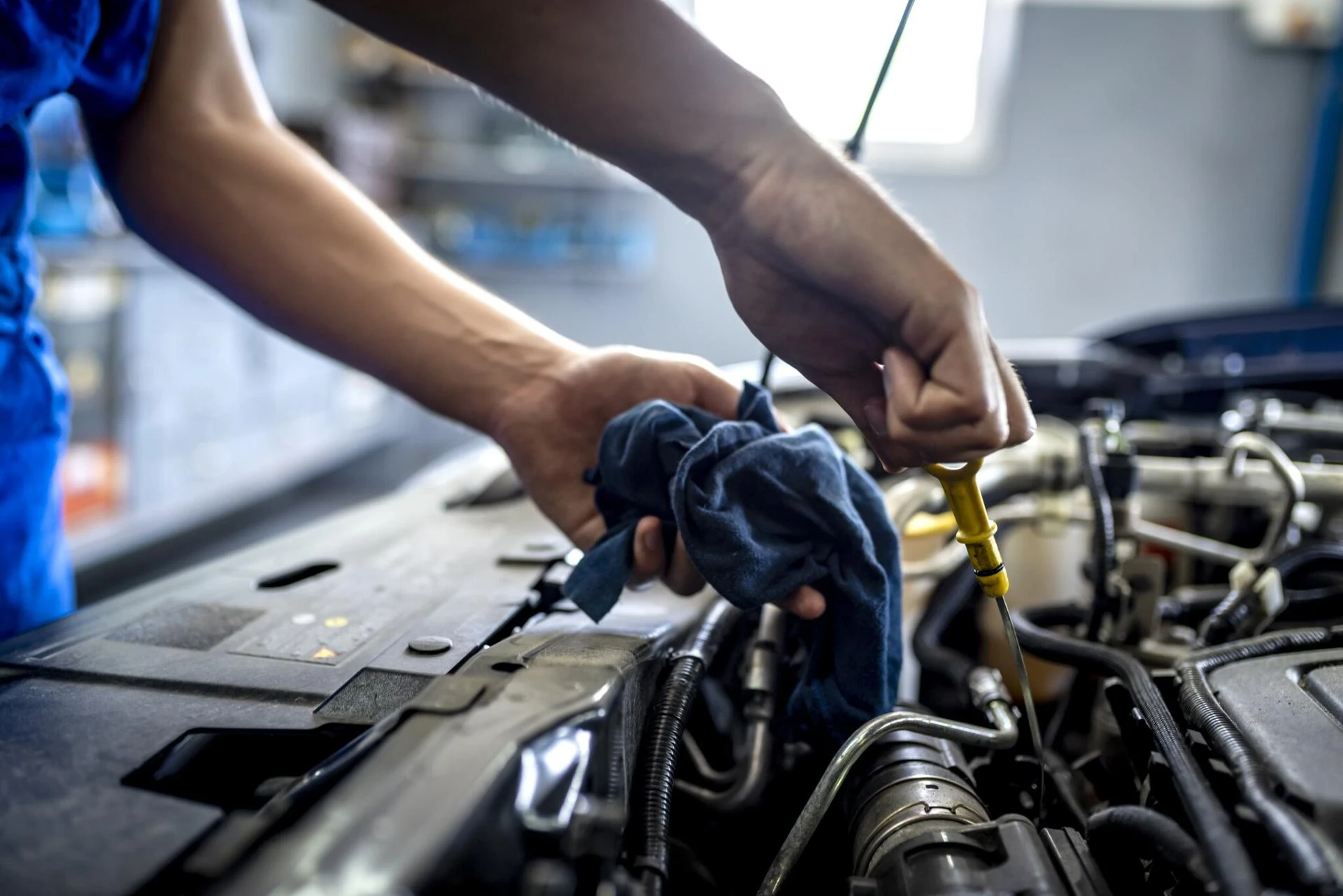
One of the most common sources of car trouble is the engine. Signs such as unusual noises, stalling, or decreased fuel efficiency often indicate underlying issues. Start by checking the oil level and quality. Low or dirty oil can lead to engine wear, so maintaining proper oil levels is crucial. Additionally, ensure the coolant is at the recommended level to prevent overheating. By inspecting these basic components, you can often pinpoint minor issues before they escalate into costly repairs.
Addressing Electrical Issues
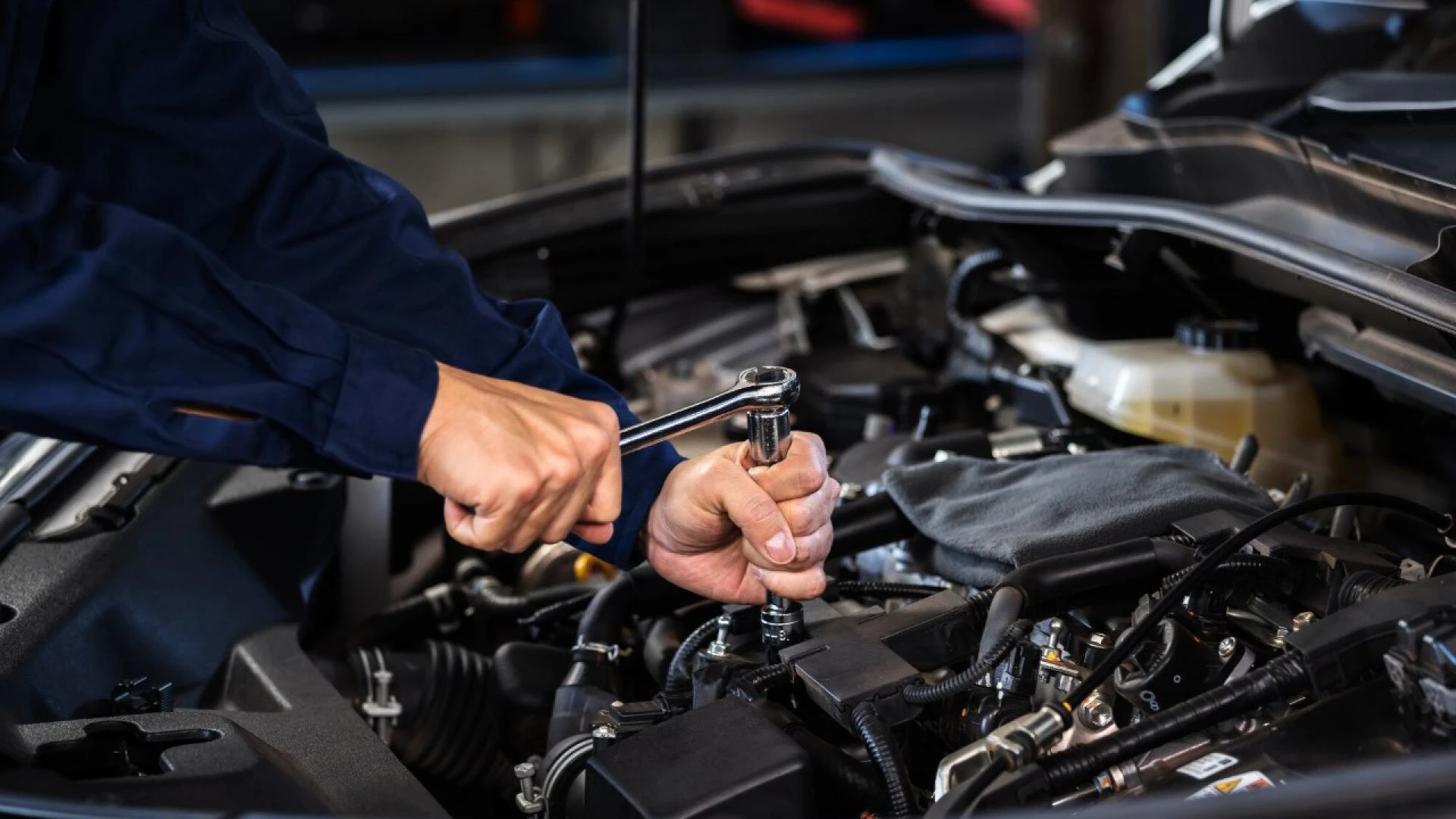
Electrical problems are another frequent concern in vehicles. Common symptoms include dimming lights, malfunctioning indicators, or difficulty starting the car. Begin by inspecting the battery for corrosion on terminals or loose connections. Cleaning the terminals and ensuring a secure connection can resolve many minor electrical issues. If problems persist, it may indicate a failing battery or alternator, which would require professional intervention.
Handling Brake and Tire Concerns
Brakes and tires are essential for safe driving, so any unusual behavior should be addressed promptly. If you hear squeaking or grinding noises while braking, it might be time to check the brake pads or discs. Tire issues can often be identified through visual inspections. Look for uneven wear patterns, cracks, or low tread depth. Maintaining proper tire pressure not only improves safety but also enhances fuel efficiency. Small adjustments or replacements can be done at home, but severe damage should always be handled by a professional.
Managing Fluid Levels and Leaks
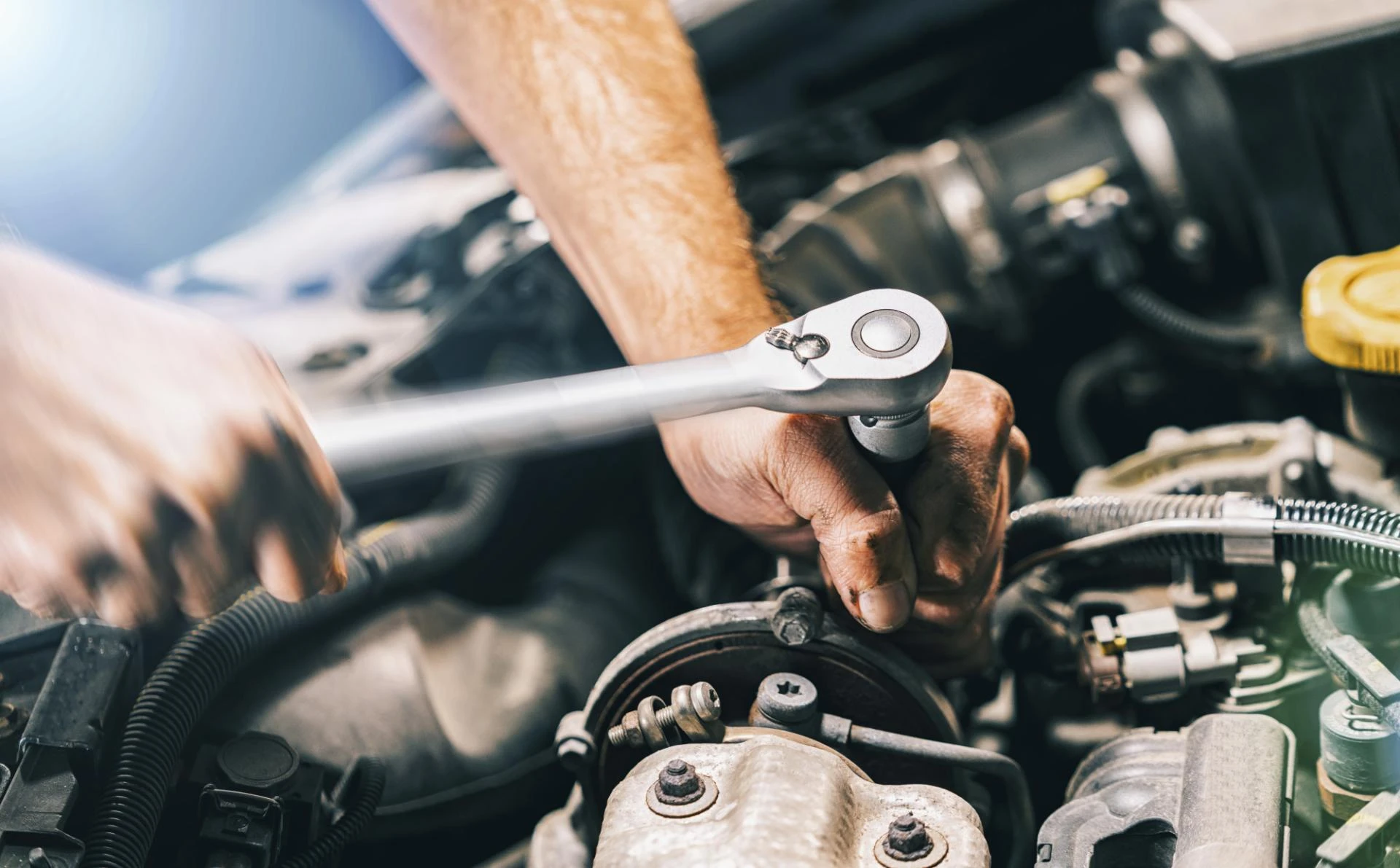
Monitoring your car’s fluid levels is another simple yet effective troubleshooting step. Regularly check the transmission fluid, brake fluid, and windshield washer fluid. Any unexpected leaks or low fluid levels can indicate problems that need attention. Catching these issues early prevents further damage and ensures your car runs smoothly.
Check Out:- How a Simple Car Service Can Bring Back the Joy of Everyday Driving
Conclusion
Troubleshooting common car issues at home can help you stay ahead of potential problems, save money, and improve vehicle safety. However, knowing when to seek professional help is equally important. For comprehensive support and expert guidance, you can rely on AAA Dubai, a trusted provider in the field. Taking proactive steps today ensures your car remains reliable and safe on the road.