
Most people decide whether they like a used car within the first five minutes of a test drive. That is exactly why sellers often plan a route that hides flaws. A quick drive through smooth city streets tells you very little about the condition of the suspension, transmission, brakes, or engine.
A proper test drive is not about finding out if the seats are comfortable. It is about discovering problems before they become your problem. Mechanics do not simply drive a car. They observe, listen, and test every system under different conditions.
Here is how you can do the same.
Start Before the Engine Starts
The inspection begins before you even sit behind the wheel.
Walk around the car slowly. Look at the gaps between body panels. Uneven gaps may suggest previous accident repairs. Check that the paint has a consistent finish under natural light. Differences in texture or shade can indicate repainting.
Look underneath the car for fresh oil, coolant, or transmission fluid leaks. A spotless engine bay can sometimes be a warning sign if everything appears freshly washed. Cleaning may hide leaks that would otherwise be obvious.
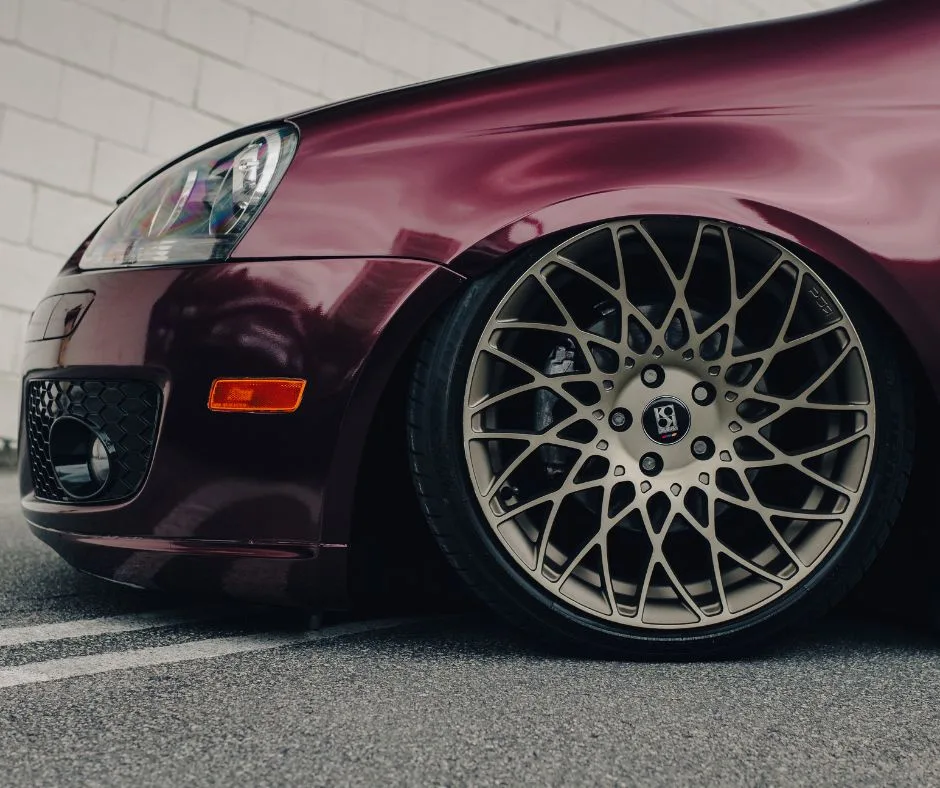
Inspect the tires carefully. Uneven wear often points to poor wheel alignment, worn suspension components, or neglected maintenance. Replacing a full set of tires shortly after buying a used car is an expense many buyers overlook.
Check the Engine Cold
Always ask the seller not to warm up the engine before you arrive.
A cold start reveals far more than a warm one. Engines with worn components often sound normal once they reach operating temperature.
Turn the key or press the start button and listen carefully.
You want a smooth idle with no knocking, ticking, or excessive vibration. A brief noise during startup can be normal on some engines, but continuous metallic sounds deserve attention.
Watch the exhaust.
White vapor on a cold morning is usually harmless condensation. Thick white smoke after the engine has warmed up, blue smoke, or heavy black smoke can point to more serious issues that require further inspection.
Test Every Control Before Moving
Many buyers forget to check basic equipment until after they have paid.
Operate every window, mirror, seat adjustment, air conditioner, heater, infotainment system, horn, lights, windshield wipers, and parking sensors if fitted.
Electrical repairs can range from minor annoyances to surprisingly expensive jobs.
If warning lights remain illuminated after startup, ask why. Never accept an explanation without verifying it through an independent inspection.
Feel the Clutch or Transmission
The first few minutes tell you a lot about the drivetrain.
With a manual transmission, the clutch should engage smoothly without excessive slipping or shuddering. A clutch that bites extremely high may already be nearing the end of its service life.
In an automatic, gear changes should feel smooth during gentle acceleration. Delayed engagement, harsh shifts, or hesitation deserve closer investigation.
Modern automatic transmissions are reliable when maintained properly, but neglected fluid changes can shorten their lifespan.
Drive Different Roads
A short trip around the block is not enough.
Ask to drive in several conditions.
Include:
- Slow residential streets
- Moderate city traffic
- A rough road
- A highway or open road if possible
Different road surfaces expose different problems.
Suspension noises often appear only over bumps. Steering issues become obvious at higher speeds. Wind noise can reveal poor accident repairs or damaged door seals.
Listen More Than You Talk
Turn off the radio.
Open the windows briefly.
Drive without unnecessary conversation.
Mechanics spend much of a test drive listening.
Pay attention to:
- Suspension clunks
- Wheel bearing humming
- Brake squealing
- Engine knocking
- Rattles from loose interior panels
- Air leaks around doors or windows
Small noises sometimes point to inexpensive fixes. Others may indicate worn suspension arms, failing bearings, or structural damage.
Test the Brakes Properly
Find a safe, open stretch of road.
Apply the brakes gently first, then perform one firmer stop if traffic allows.
The car should stop in a straight line without pulling to either side. Vibrations through the steering wheel during braking may indicate warped brake discs or suspension issues.
Listen for grinding noises. They often mean brake pads have worn down far enough to damage the rotors.
Pay Attention to Steering
The steering wheel tells its own story.
It should return naturally after completing a turn.
Excessive vibration at highway speeds may indicate wheel balancing issues, damaged suspension components, or bent wheels.
If the steering constantly pulls left or right on a level road, alignment problems or uneven tire wear could be responsible.
Watch the Temperature Gauge
Many cooling system problems appear only after twenty to thirty minutes of driving.
Monitor the engine temperature throughout the drive.
The gauge should rise steadily to its normal operating range and remain stable.
Sudden fluctuations or overheating deserve immediate attention.
Cooling system repairs vary greatly in cost depending on the underlying cause, making this one of the most important checks during a longer test drive.
Accelerate With Purpose
A gentle drive alone will not expose every issue.
Once the engine reaches operating temperature and road conditions are safe, accelerate firmly.
The engine should respond cleanly without hesitation, misfires, or warning lights.
Turbocharged engines should build power smoothly without unusual whistling or excessive smoke.
A sluggish response may simply be routine maintenance overdue, but it can also indicate fuel, ignition, or turbocharger problems.
Check the Suspension
Poor suspension rarely reveals itself on perfectly smooth roads.
Drive over speed bumps at moderate speed.
Listen for knocking sounds.
The car should settle quickly after bumps instead of continuing to bounce.
Excessive body movement can indicate worn shock absorbers or suspension bushings.
Ignoring suspension repairs often leads to uneven tire wear and reduced handling.
Test Parking Maneuvers
Low-speed driving can reveal problems hidden during normal driving.
Reverse the car.
Perform a full steering lock in both directions.
Listen for clicking noises that may point to worn constant velocity joints on front wheel drive cars.
If equipped with parking cameras or sensors, verify that they work correctly.
Let the Car Idle Again
Before ending the drive, leave the engine idling for several minutes.
Watch for coolant leaks, oil drips, overheating, or unusual engine noises that appear after the engine reaches full operating temperature.
Turn the engine off, wait briefly, then restart it.
A difficult hot restart may point to fuel or ignition issues.
Do Not Ignore Service History
A good test drive never replaces maintenance records.
Ask for documented servicing.
Look for consistent oil changes, scheduled maintenance, and receipts for major repairs.
A car with complete service records is often a safer bet than one with lower mileage but little maintenance history.
If anything feels questionable, arrange an independent pre-purchase inspection before making a final decision. Spending a little now can prevent much larger repair bills later.
If you are comparing multiple used cars, reviewing detailed listings, maintenance information, and seller details before scheduling a test drive can help you narrow your shortlist and spend your time more effectively.
Trust Your Observations More Than the Seller
Every seller believes their car is well maintained. Some are right. Others simply do not know about developing problems.
Your job during a test drive is not to prove the seller wrong. It is to gather evidence.
Drive long enough to let the car reveal its condition. Listen carefully. Test every system. Pay attention to details that most buyers ignore.
The extra twenty minutes you spend driving today could save you from thousands in unexpected repairs after the keys are yours.