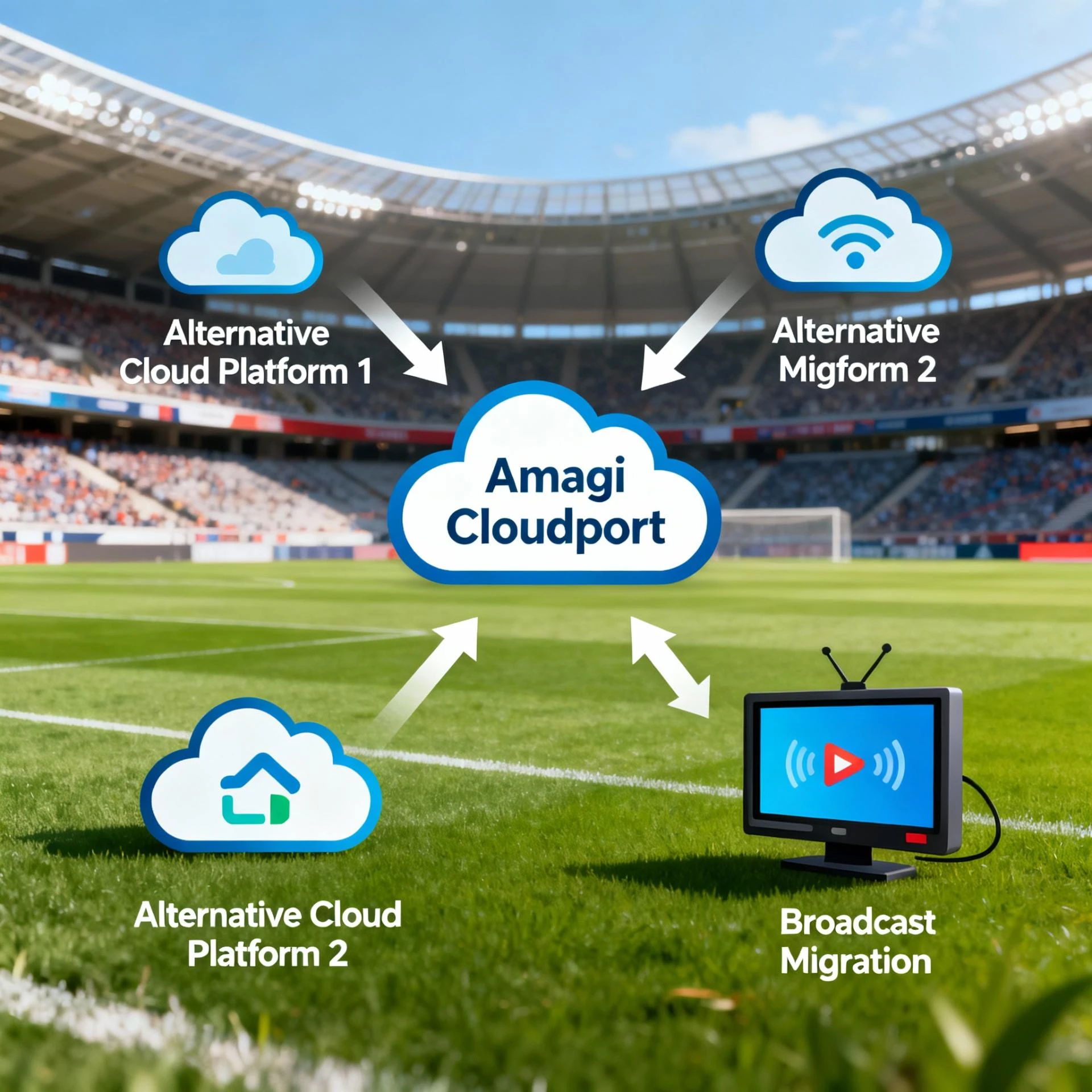
Amagi has played a major role in the growth of FAST channels and ad-supported television. However, by 2026, many enterprises are finding that Amagi no longer aligns with their evolving streaming needs. Organizations now demand deeper control, better data ownership, flexible monetization, and stronger live capabilities. This shift has driven increased interest in finding a reliable amagi alternative built specifically for Enterprise Live Streaming at scale.
Switching platforms is no longer about cost alone. It is about future-proofing operations, improving performance, and maintaining ownership of both content and audience insights.
Understanding the Limitations of Amagi for Enterprise Use
While Amagi excels in ad monetization and distribution, it presents limitations for enterprises focused on live and owned-channel strategies. Many organizations struggle with restricted customization, limited control over viewer data, and dependency on third-party ad ecosystems.
For enterprises running mission-critical live events, internal broadcasts, or branded networks, these constraints can limit growth. Enterprise Live Streaming in 2026 requires more than distribution. It requires ownership, reliability, and operational flexibility.
What to Look for in an Amagi Alternative
A strong amagi alternative must support enterprise-grade streaming while addressing modern operational demands. Enterprises should prioritize platforms that offer direct control over live streams, flexible deployment options, and advanced analytics without sacrificing stability.
Security, scalability, and low latency are also essential. In regulated industries or global enterprises, compliance and regional delivery performance play a critical role in platform selection.
Key Features of Modern Enterprise Live Streaming Platforms
Enterprise Live Streaming platforms in 2026 are built to handle complex workflows. They support high-concurrency live streams, real-time monitoring, and adaptive bitrate delivery across devices. Unlike ad-centric platforms, they allow enterprises to design custom workflows aligned with internal and external business goals.
Modern platforms also integrate with cloud infrastructure, identity management systems, and content management tools. This level of integration ensures smoother transitions and long-term scalability.
Step-by-Step Guide to Switching from Amagi
The first step in switching from Amagi is evaluating your current use case. Determine whether your focus is live broadcasting, internal communications, brand-owned channels, or monetized content delivery. This clarity helps identify the right Enterprise Live Streaming platform.
Next, audit your existing content and distribution workflows. Most enterprises migrate in phases, beginning with non-critical streams before moving core operations. This reduces risk and ensures continuity.
Once a new platform is selected, conduct parallel testing. Running Amagi and the new solution side by side allows teams to compare performance, latency, and reliability in real-world conditions. After validation, enterprises can transition fully with minimal disruption.
Benefits of Moving to a Purpose-Built Enterprise Platform
Switching to a modern amagi alternative gives enterprises full control over their live streaming strategy. Instead of relying on ad-driven models, organizations can choose how content is delivered, monetized, or restricted.
Enterprise Live Streaming platforms also offer richer analytics, enabling teams to understand viewer behavior, system performance, and engagement patterns. This data is essential for optimizing content strategy and proving ROI to stakeholders.
Another major benefit is customization. Enterprises can design branded experiences, integrate proprietary systems, and adapt workflows without platform limitations.
Common Challenges and How to Overcome Them
Migration can feel complex, especially for large organizations. The most common challenges include technical onboarding, staff training, and temporary workflow disruptions. These issues can be minimized by choosing a platform with strong enterprise support and clear documentation.
Change management is equally important. Teams should be trained early and involved in testing to ensure smooth adoption. Clear communication across departments reduces friction and accelerates transition timelines.
Final Thoughts: Choosing the Right Path Forward
In 2026, Enterprise Live Streaming is no longer a secondary capability. It is a core business function. While Amagi remains valuable for ad-supported distribution, many organizations are discovering that it no longer meets their enterprise requirements.
Choosing the right amagi alternative allows enterprises to regain control, improve performance, and align streaming infrastructure with long-term business goals. A strategic transition today ensures stability, flexibility, and growth in an increasingly competitive digital streaming landscape.