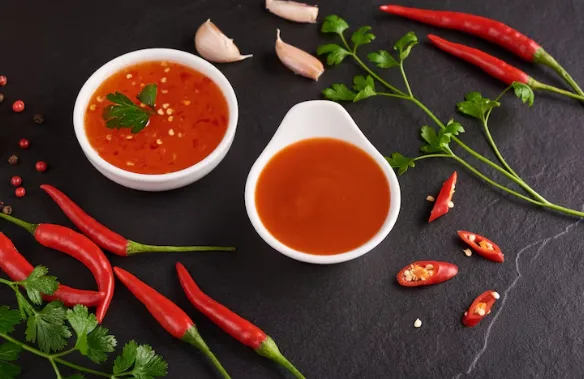
A bottle gets opened during pizza night, then pushed to the back of the fridge. Weeks later, it shows up again next to leftovers, pickles, and a half-used dipping sauce. The question feels small, but it matters: is it still good, or has it quietly turned?
That moment happens in a lot of kitchens. People keep sauces for months, sometimes longer, and most are not sure whether the real issue is safety, flavor, or both. The confusion gets worse when one label says refrigerate after opening, and another seems fine in the pantry. Learning how to store hot sauce comes down to reading the bottle, understanding what is inside it, and knowing the signs that quality has started to slip.
Key Takeaways
- Unopened bottles usually belong in a cool, dark place unless the label says otherwise.
- After opening, the label matters most because some sauces stay stable longer than others.
- A sauce can lose color, aroma, and punch before it becomes unsafe.
- Clean handling and tight sealing do more than people think.
What Changes After Opening?
Once a bottle is opened, air, moisture, and kitchen handling start to affect it. That does not always mean immediate spoilage. Often, the first change is quality. The sauce may look duller, taste flatter, or lose some of its original heat and brightness. USDA guidance on date labeling makes an important distinction here: a “Best if Used By” date points to best flavor or quality, not automatically to safety.
That is why two bottles can behave very differently. A simple vinegar-based sauce usually holds up better than one made with fruit, fresh aromatics, or ingredients that are less acidic. South Dakota State University Extension notes that for bottled hot sauce to be safely shelf stable, the pH must be less than 4.6. That single number explains a lot about why some sauces last comfortably on a shelf while others need colder storage sooner.
Does Hot Sauce Go Bad?
Yes, but not always in the way people expect. Sometimes it “goes bad” by losing quality first. The color darkens. The smell softens. The taste becomes muddy instead of sharp. In other cases, contamination or poor storage can push it past quality loss into something that should not be eaten.
FDA guidance also supports following “refrigerate after opening” instructions when they appear, especially for products that may pose a risk after opening. A good rule is simple: trust the bottle first, then trust your senses. If the sauce smells off, shows unusual separation that does not mix back in, develops mold, or tastes strangely sour in a way that does not match the original profile, it is time to let it go.
Pantry Or Fridge Matters Most
This is where most people get tripped up. They assume all hot sauce belongs in one place. That is not really how sauces work. Shelf-stable products are designed to sit unopened at room temperature. After opening, some may still hold well in a cool, dark cabinet, but refrigeration often helps preserve flavor and color longer. Oregon State Extension’s storage guide places hot sauce among condiments that can keep well, while emphasizing cool, dark storage and tight coverage as quality-protecting habits.
The safest everyday habit is this: if the label says refrigerate after opening, refrigerate it. If the sauce contains fresher or more delicate ingredients, colder storage is usually the safer bet for quality, too. Pantry storage works best when the bottle is unopened, tightly sealed, and kept away from heat, light, and stove-side temperature swings.
A Simple Storage Decision Guide
Here is a practical way to think about it.
- Read the label first: The manufacturer knows the formula best.
- Check the ingredient style: Simpler, more acidic sauces usually hold better than sauces with fruit, oil, or fresh puree.
- Choose a stable spot: Cool, dark, and dry beats warm and sunny.
- Keep the rim clean and the cap tight: That reduces contamination and helps preserve taste.
Storage Cues That Actually Help
SituationBest moveA Simple cueCommon mistakeUnopened bottleKeep in a cool, dark cabinetAway from stove heat and sunlightLeaving it beside the ovenOpened bottle with refrigerate noteMove to the fridgeFollow the label, not a guessTreating every sauce the sameOpened bottle used oftenWipe the cap and reseal tightlyClean the rim after messy poursLetting residue build upSauce with fading color or aromaUse soon or discard if offQuality usually drops before safety is obviousAssuming dull flavor means it is still at peakHomemade or delicate ingredient blendRefrigerate and watch closelyMore caution, less guessworkStoring it like a basic shelf sauceThe table is not about fear. It is about reducing waste and making better calls before a favorite bottle turns disappointing.
How To Store Hot Sauce Daily?
The best routine is boring, and that is exactly why it works. Keep the bottle closed tightly. Store it away from direct light. Do not let food touch the bottle opening. Use a clean spoon when needed instead of dipping anything into the sauce. FDA food safety advice consistently points back to proper storage, clean handling, and fast return to safe temperatures for foods that need it.
You have probably felt this before: a sauce seemed fine, but it no longer tasted alive. That is usually the quiet cost of poor storage. Not dramatic spoilage. Just a slow fading of what made the bottle worth buying in the first place. Refrigeration can help slow that slide for many opened sauces, even when the issue is quality more than danger.
What Most People Get Wrong
A few myths keep showing up in real kitchens.
Do
- Follow the label.
- Keep bottles sealed.
- Store away from heat and light.
- Check smell, color, and texture before using again.
Do Not
- Assume every sauce is shelf-stable after opening.
- Park bottles beside the stove.
- Ignore odd smells or visible mold.
- Confuse the best quality dates with automatic danger.
The Familiar Kitchen Scenario
Imagine someone buys a new bottle for wings, uses it twice, then leaves it near the cooktop for weeks. The cap gets sticky. The color starts to darken. Nothing looks dramatic, so it keeps getting used.
That is the kind of slow decline people miss. The bigger problem is not always sudden spoilage. It is that the bottle becomes less fresh, less balanced, and less enjoyable because storage was casual instead of intentional. A simple move to a cooler spot, a clean bottle rim, and better sealing could have made a big difference.
When Quality Matters Most
If the goal is informed decision-making, the smartest approach is not guessing whether every bottle is “good forever.” It is known that shelf life depends on acidity, ingredients, handling, and storage conditions. That is the real answer to how to store hot sauce without wasting money or dulling flavor too soon.
For people looking to explore different styles, including options beyond the usual big-name selections and standard hot sauce choices, brands like Hot Time Sauces offer a broader mix that also includes wing sauces. Get The Spice, Feel The Burn.
FAQs
- What makes a good storage setup?
A cool, dark, dry place for unopened bottles and label-guided storage after opening.
- What are the best practices after opening?
Keep the cap tight, keep the rim clean, and refrigerate when the label tells you to.
- How to tell when a bottle should be tossed?
Watch for mold, a clearly off smell, a strange texture, or a flavor that seems wrong in a bad way.
- When to hire professional help for large sauce production?
When sauce-making moves from home use to regulated production, food safety guidance and process review become important.
- What services can help someone choose new sauce styles?
A specialty seller with a broader mix of sauce types can help people compare flavor profiles more confidently.