Igniting the Passion: Why Starting Sports Matters More Than Ever
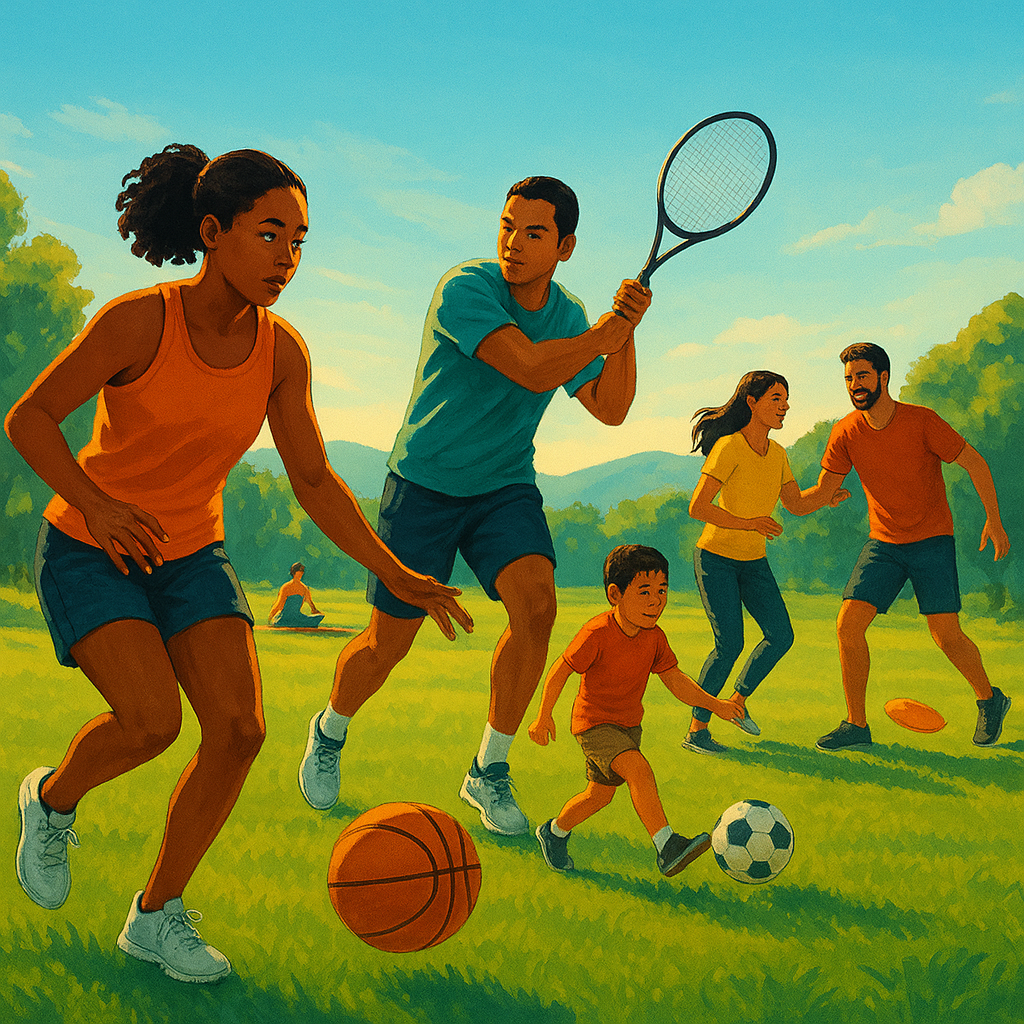
Imagine a brisk morning in a local park where a group of novices gather around a coach, sporting gear in hand, eager yet unsure. This scene has become increasingly common as more adults and youth seek active outlets beyond screens and sedentary routines. According to the World Health Organization’s 2025 report, physical inactivity remains a leading risk factor for global mortality, contributing to over 5 million premature deaths annually worldwide. Sports, as an accessible form of physical activity, offer more than fitness; they encourage social bonding, mental resilience, and lifelong skills.
Starting sports as a beginner can feel overwhelming. There are countless options, rules, techniques, and equipment to consider. However, the benefits—from improved cardiovascular health to boosted self-confidence—far outweigh the initial discomfort. In 2026, the sports world is more inclusive and technologically integrated than ever, making the entry point easier for newcomers.
“Engaging in sports early or even later in life rewires not only the body but the mind, fostering discipline, teamwork, and joy,” says Dr. Helen Ramirez, a sports psychologist based in New York.
Whether you’re a parent encouraging your child, a young adult exploring new hobbies, or someone returning after a long hiatus, understanding the fundamentals is key. This guide serves as your companion to navigate the world of sports with clarity and confidence.
Tracing the Roots: How Sports Became a Global Phenomenon
Sports have an ancient lineage, with archaeological evidence revealing ball games in Mesoamerica dating back to 3,000 BCE and organized wrestling in Mesopotamia. The codification of modern sports accelerated in 19th-century England, where football (soccer), cricket, and rugby formalized rules and competitions, setting templates for global adoption.
By the 20th century, the Olympic movement revived international interest, positioning sports as a cultural and diplomatic bridge. Post-World War II, sports expanded from elite clubs to mass participation, driven by urbanization, media, and improved infrastructure.
Technological advances in the 21st century—wearables, analytics, virtual coaching—have further democratized access. Today, over 3.5 billion people globally engage in some form of sport or recreational physical activity, according to the International Sports Federation data from 2024.
This historical context underscores why sports are not just games but social institutions reflecting health, identity, and community.
“Sports mirror societies — their values, challenges, and aspirations. Understanding their history helps beginners appreciate their role beyond mere play,” notes Professor Liam Chen, historian at the University of Cambridge.
Choosing Your Sport: Data-Driven Insights for Beginners
Deciding which sport to start with can be guided by interests, physical condition, goals, and available resources. A recent 2025 survey by the Global Sports Analytics Consortium revealed the top beginner-friendly sports worldwide based on accessibility, injury rates, and community support:
- Walking and Running: Minimal equipment, adaptable intensity, and proven cardiovascular benefits.
- Swimming: Full-body workout with low injury risk and therapeutic value.
- Soccer: High social engagement and widely available junior leagues.
- Badminton: Indoor-friendly, improves reflexes, and suitable for all ages.
- Yoga and Pilates (sports-adjacent): Enhance flexibility and mental focus, great for injury prevention.
Beginners should also consider the sport’s physical demands, time commitment, and local availability. For example, ice hockey may be less accessible in tropical regions, whereas basketball courts are common in urban areas worldwide.
Equipment costs vary widely; starting with body-weight or no-cost sports can lower barriers. Additionally, hybrid formats like e-sports combined with physical training are emerging, reflecting evolving interests in 2026.
Practical tips:
- Visit local clubs or community centers to observe or try introductory sessions.
- Consult healthcare professionals if you have chronic conditions.
- Set realistic goals and gradually increase intensity to avoid burnout.
For further guidance, TheOmniBuzz’s Sports in 2026: Evolution, Trends, and Future Outlook offers a comprehensive overview of rising sports trends that might inspire new participants.
Mastering the Basics: Training, Technique, and Mindset
Once a sport is selected, the next step is skill acquisition and conditioning. Beginners often underestimate the importance of foundational techniques, which are crucial for performance and injury prevention.
Training in 2026 leverages both traditional coaching and digital tools. Apps provide real-time feedback on form, while AI-driven platforms customize workout plans based on biometric data. This personalized approach enhances motivation and efficiency.
Core training principles include:
- Warm-Up and Cool-Down: Preparing muscles and gradually restoring the body post-exercise.
- Progressive Overload: Incrementally increasing training intensity to build strength and endurance.
- Skill Drills: Repetitive practice of sport-specific movements to build muscle memory.
- Rest and Recovery: Essential to prevent overtraining and promote adaptation.
Mental preparation is equally important. Visualization techniques, goal-setting, and learning to manage competition stress improve performance and enjoyment.
“A beginner’s mindset is about curiosity and patience. Mastery comes from consistent, mindful practice rather than rush,” emphasizes Coach Marcus Lee, head of youth development at a premier sports academy in California.
Nutrition and hydration tailored to sport-specific demands also support training gains. Beginners should seek guidance on balanced diets that fuel activity without excessive calories.
Current Trends in 2026: Inclusivity, Technology, and Community Growth
The sports landscape in 2026 reflects broader societal shifts towards inclusivity, sustainability, and digital integration. Adaptive sports for people with disabilities have expanded exponentially, supported by innovations in prosthetics and assistive devices.
Virtual and augmented reality offer immersive training experiences, reducing geographic and economic barriers. For example, virtual cycling races connect riders globally, simulating iconic routes with real-time competition.
Community sports programs increasingly emphasize mental health and social equity. Initiatives funded by governments and NGOs aim to engage underrepresented groups, including women, minorities, and economically disadvantaged youth.
Data from the International Sports Federation highlights a 20% increase in female sports participation since 2022, driven by policy changes and media representation improvements.
Environmental sustainability is also a priority. Sports organizations are adopting green practices, such as eco-friendly stadiums and zero-waste events, aligning with global climate goals. This trend is discussed in detail in TheOmniBuzz’s Taking Climate Action Seriously: A Practical Guide for Beginners, which outlines how beginners can engage with sports sustainably.
“The future of sports is inclusive and responsible, powered by technology but rooted in community spirit,” remarks Dr. Amina Yusuf, director of the Global Sports Innovation Forum 2025.
Building Your Journey: Tips, Challenges, and What Lies Ahead
Starting sports is a journey, not a destination. Beginners will face challenges such as time management, balancing social life, and overcoming self-doubt. Resilience, adaptability, and seeking support are key to long-term engagement.
Practical advice includes:
- Setting SMART (Specific, Measurable, Achievable, Relevant, Time-bound) goals.
- Joining clubs or groups to foster accountability and camaraderie.
- Tracking progress with journals or apps to celebrate milestones.
- Listening to your body to avoid injuries.
Looking forward, emerging trends such as biofeedback wearables and AI coaching will make personalized training more accessible. Moreover, e-sports and traditional sports are increasingly merging, creating hybrid participation options for diverse interests.
Beginners are encouraged to remain open to new formats and opportunities, leveraging community resources and expert advice. As the sports ecosystem evolves, the core values of discipline, teamwork, and enjoyment remain constant.
“Starting sports is about finding your unique rhythm within the universal language of movement and play,” concludes Coach Lee.
For comprehensive beginner support, exploring related TheOmniBuzz guides like Unlocking SaaS Success: A Step-by-Step Guide for Beginners can offer insights into goal-setting and learning strategies applicable beyond sports.
Embarking on your sports journey today opens doors to a healthier, more connected, and fulfilling life.