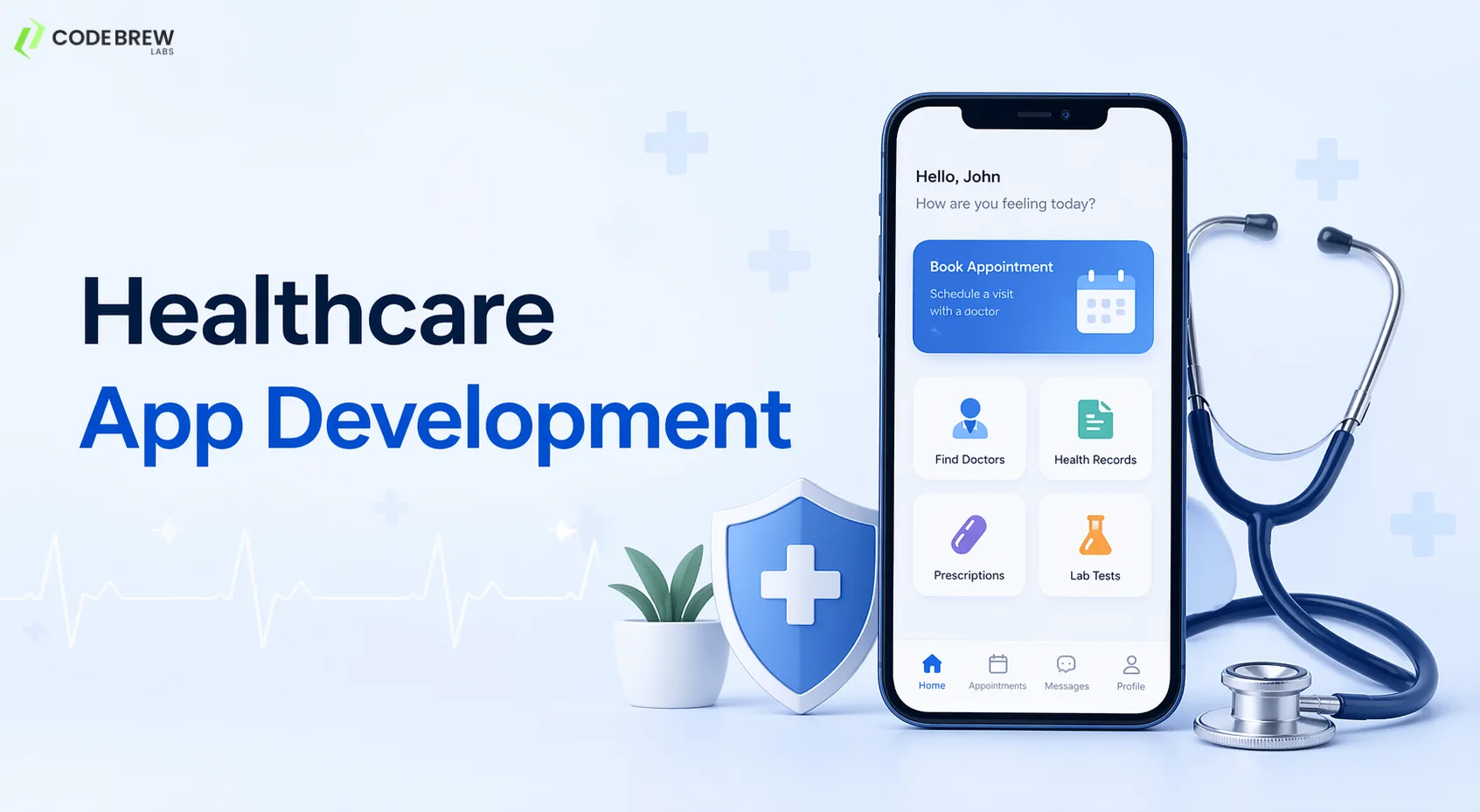
The healthcare industry is rapidly evolving, and digital transformation is at the center of this change. In 2026, healthcare app development is no longer just an innovation—it’s a necessity. From telemedicine platforms to AI-powered diagnostics, healthcare apps are reshaping how care is delivered, accessed, and managed.
If you're planning to start healthcare app development from scratch, this guide will walk you through every step—from ideation to launch—helping you build a scalable, secure, and future-ready digital health solution.
Why Healthcare App Development is Booming in 2026
Healthcare has shifted toward a more patient-centric model. Users now expect:
- Instant access to medical services
- Remote consultations
- Real-time health tracking
- Personalized care experiences
Healthcare apps help bridge the gap between providers and patients by offering convenience, efficiency, and accessibility.
Key drivers behind the growth:
- Rising demand for telehealth services
- Increased use of wearable devices
- Growing focus on preventive healthcare
- Advancements in AI and data analytics
Step 1: Identify Your Healthcare App Idea
Before starting development, you need a clear and focused idea.
Popular Healthcare App Ideas in 2026:
- Telemedicine apps
- Mental health apps
- Fitness and wellness apps
- Remote patient monitoring apps
- Medication reminder apps
How to Validate Your Idea:
- Research market demand
- Analyze competitors
- Identify gaps in existing solutions
- Define your target audience
A strong idea solves a real problem—this is the foundation of successful healthcare app development.
Step 2: Define Features and Functional Requirements
Once your idea is validated, the next step is to define what your app will do.
Essential Features for Healthcare App Development:
Patient Side:- User registration and profile management
- Appointment booking
- Video consultations
- Access to medical records
- Notifications and reminders
- Dashboard for patient management
- E-prescription tools
- Appointment scheduling
- Communication tools
- User management
- Analytics dashboard
- Payment tracking
- Security controls
Start with core features and expand later to avoid overcomplicating the initial version.
Step 3: Understand Healthcare Compliance & Regulations
Healthcare app development requires strict compliance with regulations.
Key Compliance Standards:
- HIPAA (USA)
- GDPR (Europe)
Security Essentials:
- Data encryption
- Secure APIs
- Multi-factor authentication
- Role-based access control
Ignoring compliance can lead to legal issues and loss of user trust.
Step 4: Choose the Right Technology Stack
Selecting the right technology stack is crucial for scalability and performance.
Recommended Tech Stack:
Frontend:
- React Native
- Flutter
Backend:
- Node.js
- Django
Database:
- MongoDB
- PostgreSQL
Cloud Services:
- AWS
- Google Cloud
The right combination ensures your healthcare app runs smoothly and securely.
Step 5: Focus on UI/UX Design
User experience plays a critical role in healthcare app adoption.
Best Practices:
- Simple and intuitive design
- Easy navigation
- Accessibility for all age groups
- Minimal steps for key actions
A clean and user-friendly interface increases engagement and retention.
Step 6: Develop an MVP (Minimum Viable Product)
Instead of building a full-scale app immediately, start with an MVP.
Why MVP?
- Reduces development cost
- Speeds up time-to-market
- Helps validate your idea
- Allows user feedback early
Focus only on core features that solve the main problem.
Step 7: Healthcare App Development Process
Here’s how the actual development unfolds:
1. Planning
Define scope, timeline, and budget.
2. Design
Create wireframes and prototypes.
3. Development
Build frontend and backend systems.
4. Testing
Ensure functionality, security, and performance.
5. Deployment
Launch the app on app stores.
6. Maintenance
Regular updates and improvements
Step 8: Integration with Advanced Technologies
To stay competitive in 2026, integrating modern technologies is essential.
AI Integration
- Chatbots for patient support
- Predictive analytics
- Personalized treatment plans
IoT & Wearables
- Real-time health tracking
- Data synchronization
Blockchain
- Secure patient data storage
Cloud Computing
- Scalable infrastructure
- Data accessibility
Step 9: Estimate Healthcare App Development Cost
The cost depends on multiple factors:
- App complexity
- Features
- Development team
- Compliance requirements
Cost Breakdown:
- Basic App: $20,000 – $50,000
- Medium App: $50,000 – $120,000
- Advanced App: $120,000 – $300,000+
Starting with an MVP can significantly reduce initial investment.
Step 10: Testing & Quality Assurance
Testing is critical in healthcare app development.
Types of Testing:
- Functional testing
- Security testing
- Performance testing
- Usability testing
A bug-free app ensures reliability and trust.
Step 11: Launch & Marketing Strategy
Once your app is ready, focus on launching and marketing it effectively.
Marketing Strategies:
- App Store Optimization (ASO)
- SEO-focused content marketing
- Social media campaigns
- Influencer partnerships
Visibility is key to success.
Step 12: Post-Launch Support & Scaling
Launching is just the beginning.
Post-Launch Focus:
- Monitor app performance
- Fix bugs and issues
- Add new features
- Scale infrastructure
Continuous improvement is essential for long-term success.
Challenges in Starting Healthcare App Development
Starting from scratch comes with challenges:
- High development costs
- Complex regulations
- Data security concerns
- Integration with existing systems
Proper planning helps overcome these hurdles.
Benefits of Starting Healthcare App Development in 2026
- Growing market demand
- High ROI potential
- Improved patient engagement
- Scalable business opportunities
- Competitive advantage
Healthcare app development is one of the most promising sectors in 2026.
Future of Healthcare App Development
The future is driven by innovation.
Expect:
- AI-driven diagnostics
- Personalized healthcare experiences
- Advanced wearable integrations
- Predictive healthcare systems
Healthcare apps will continue to evolve and transform the industry.
Conclusion
Starting healthcare app development from scratch in 2026 is a powerful opportunity for businesses and startups. With the right strategy, technology, and execution, you can build a digital health solution that improves patient care and drives business growth with Code Brew Labs.
The key is to focus on user needs, ensure compliance, adopt modern technologies, and continuously improve your product.
Healthcare is going digital—and now is the perfect time to be part of this transformation.