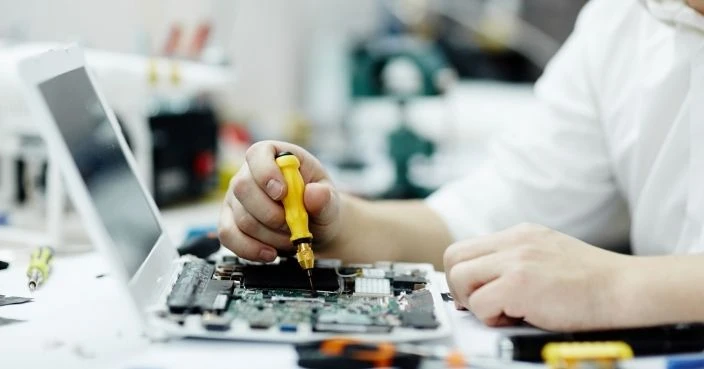
Is your Mac running slower than it used to? If you're experiencing sluggish performance, frequent freezes, or endless spinning wheels, you're not alone. Many Mac users find that their once-speedy computers gradually lose their edge over time. Rather than immediately jumping to purchasing an expensive new device, there are several proven strategies you can implement to breathe new life into your aging machine. The good news is that most of these solutions are simple, affordable, and can be done without professional help. Whether you've noticed your Mac becoming increasingly frustrating to use during your daily tasks or you're simply looking to extend the lifespan of your device, this guide will provide you with practical, step-by-step solutions. If you're in the Northcote area of Melbourne and need comprehensive Mac repairs in Northcote, understanding these maintenance tips first can help you determine whether you need professional intervention or if DIY solutions will suffice. Throughout this post, you'll discover actionable techniques that can significantly improve your Mac's speed and overall performance.
Melbourne's Tech-Savvy Community and Mac Usage
Northcote, a vibrant suburb in Melbourne, is home to a diverse, tech-conscious population that values both innovation and sustainability. Many residents here prefer to maintain and upgrade their existing devices rather than constantly chase the newest models. This mindset aligns perfectly with the philosophy of extending your Mac's lifespan through proper maintenance and optimization. Melbourne's culture of environmental awareness also supports keeping older technology functional, making it an ideal backdrop for discussing affordable Mac performance solutions.
Understanding Why Your Mac Slows Down Over Time
Your Mac's performance degradation isn't a mystery—it's a natural process that happens to all computers. Over time, your system accumulates temporary files, cache data, and other digital clutter that takes up valuable storage space and processing power. Background applications, outdated software, and fragmented data can all contribute to slower performance. Additionally, as you install and uninstall programs, some residual files remain on your drive, consuming resources. Understanding these causes helps you address the root problems rather than just treating symptoms. When performance issues become severe, many Northcote residents seek professional Mac repairs in Northcote to diagnose underlying hardware problems, but often, software optimization can resolve the majority of speed issues.
Clear Out Your Storage Space
One of the most effective ways to speed up your Mac is to delete unnecessary files and free up storage space. A nearly full hard drive forces your Mac to work harder because it has limited room for temporary files and system operations. Start by reviewing your Downloads folder—this is often where files accumulate without purpose. Delete old installers, duplicate files, and documents you no longer need. Next, examine your Applications folder and uninstall programs you don't regularly use. Be thorough: use the Finder to locate and delete associated preference files and support folders for removed applications. Consider moving large media files, such as old videos or photo libraries, to external storage or cloud services like iCloud or Google Drive. Aim to keep at least 10-15% of your drive's total capacity free for optimal performance. If you're uncertain about what's safe to delete, consulting with Mac repair specialists in Northcote can provide peace of mind. A cleaner hard drive directly translates to faster system response times and smoother operation.
Update Your Operating System and Applications
Keeping your macOS and applications updated is crucial for both speed and security. Apple regularly releases updates that include performance improvements, bug fixes, and security patches. To update your macOS, click the Apple menu, select System Settings, then navigate to General and Software Update. Install any available updates and restart your Mac if prompted. Similarly, ensure all your applications are current—outdated software can be inefficient and may cause conflicts with your system. Open the App Store, click Updates, and install any pending updates for your installed applications. These updates often include optimizations that improve speed and reduce resource consumption. Modern software is increasingly designed to run efficiently on newer operating systems, so staying current ensures your Mac handles applications smoothly. Regular updates also prevent compatibility issues that can slow down your system. This maintenance task is simple yet incredibly effective for maintaining optimal performance.
Manage Startup Items and Background Processes
Many Macs slow down because too many applications launch automatically when you start your computer. Each startup item consumes memory and processing power, reducing the resources available for your active work. To manage startup items, open System Settings, navigate to General, then click Login Items. Review the list and remove any applications you don't need to launch automatically. Consider which programs you genuinely use daily and keep only those in your startup sequence. Additionally, check System Settings for Background App Refresh settings and disable this feature for applications that don't require constant updates. You can also monitor Activity Monitor to see which processes consume the most resources. Open Applications, then Utilities, and launch Activity Monitor. Click the CPU or Memory tab to identify resource-heavy applications. If you spot unfamiliar processes consuming significant resources, research them online before termination, or contact Mac repair services in Northcote for guidance. Reducing background processes can dramatically improve your Mac's responsiveness and speed.
Conclusion
Revitalizing your older Mac doesn't require expensive hardware upgrades or purchasing a new device. By implementing these straightforward optimization techniques—clearing storage space, updating software, and managing startup processes—you can restore your Mac's speed and efficiency. These solutions address the most common causes of performance degradation and are accessible to users of all technical levels. Taking time to maintain your Mac regularly will extend its lifespan and keep it running smoothly for years to come. If you've tried these steps and your Mac still underperforms, professional Mac repairs in Northcote can identify and resolve more complex hardware issues.