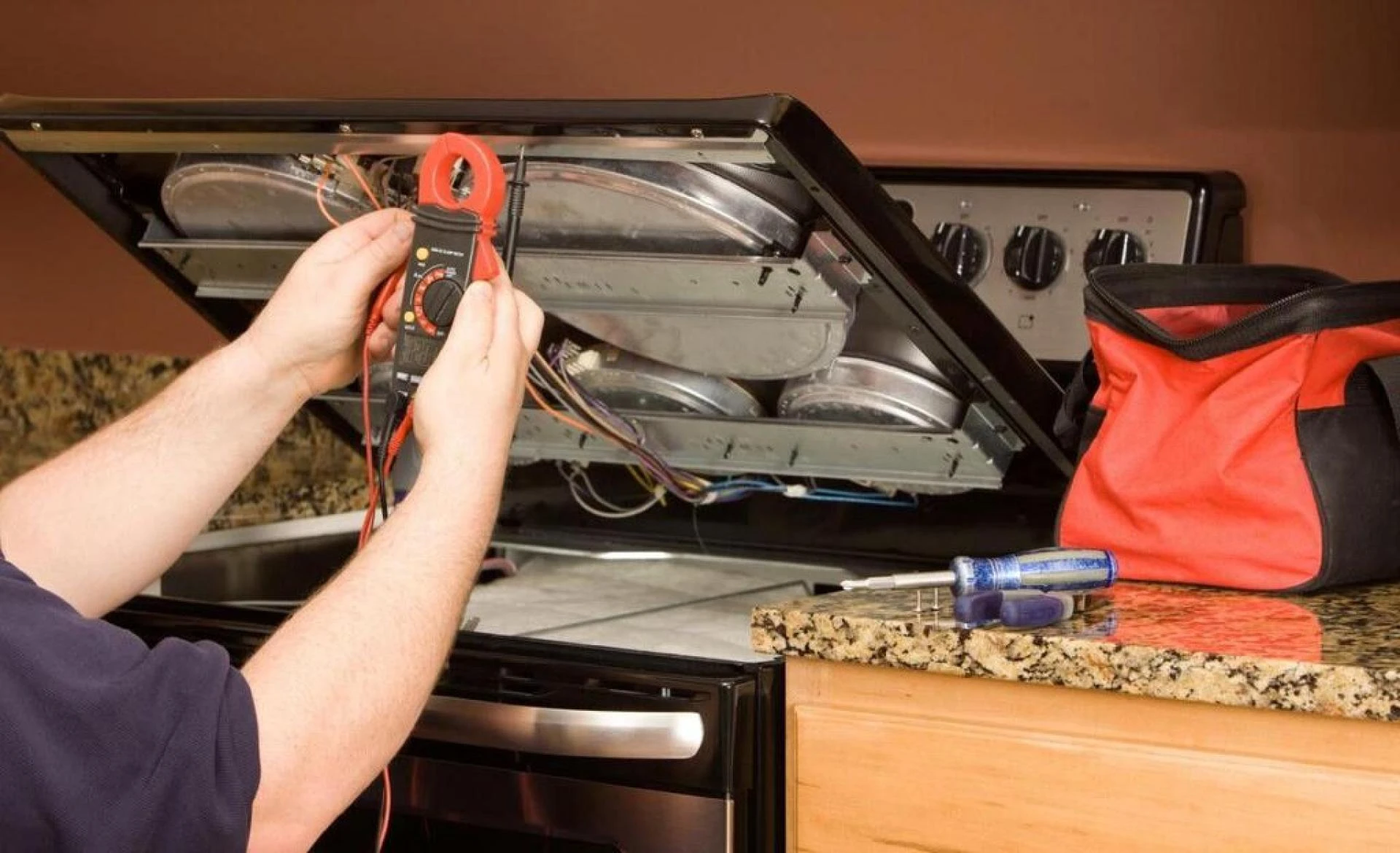
Your dinner preparations grind to a halt when your gas cooker suddenly refuses to cooperate. Burners fail to ignite despite repeated attempts, flames display alarming orange or yellow hues instead of proper blue coloration, or concerning gas odors permeate your kitchen space. These cooking emergencies disrupt household routines while potentially indicating dangerous conditions requiring immediate attention.
Recognizing Symptoms That Demand Gas Cooker Repair Services
Understanding critical warning signs requiring professional gas cooker repair intervention helps homeowners identify when safety concerns override DIY troubleshooting attempts and when expert technical assistance becomes absolutely necessary. Gas cooking appliances combine combustible fuel systems, electrical ignition components, and precision flow controls that can malfunction in ways creating serious safety hazards including fire risks, explosion dangers, and toxic gas exposure beyond typical homeowner repair capabilities.
Developing awareness of these indicators enables you to make informed decisions about when professional intervention becomes mandatory versus when simple maintenance might temporarily address minor operational issues.
Ignition System Problems Needing Gas Cooker Repair Attention
Complete ignition failures prevent burner lighting when spark generators malfunction, gas flow becomes obstructed, or electrical connections deteriorate, leaving you unable to cook despite having adequate gas supply and properly functioning control knobs.
Intermittent lighting problems create frustrating situations when burners ignite inconsistently across multiple attempts, suggesting developing component failures in spark mechanisms, gas valves, or control circuits requiring systematic professional diagnosis.
Flame quality issues manifest as improperly colored flames indicating incomplete combustion when air-to-gas ratios become incorrect through clogged ports, blocked intake vents, or damaged burner assemblies affecting both performance and safety.
Gas Flow Component Operations
Burner assemblies distribute gas through precisely machined ports that can accumulate food debris, grease deposits, and mineral buildup, restricting flow patterns and creating irregular flame characteristics that affect cooking performance.
Gas valve mechanisms regulate fuel delivery through internal components that wear from constant operation, potentially developing leaks, flow irregularities, or complete failures requiring professional replacement with properly calibrated units.
Pressure regulation systems maintain consistent gas delivery despite supply line fluctuations, but can malfunction when internal components deteriorate, creating dangerous pressure variations affecting all burners simultaneously.
Ignition System Components
Electronic spark generators create the electrical discharge needed to ignite gas through electrodes that can corrode, misalign, or break from thermal cycling and moisture exposure during normal kitchen operations.
Control switches activate ignition sequences and regulate burner operation through electrical contacts that wear from repeated use, developing intermittent operation or complete failures requiring professional replacement.
Safety interlocks prevent gas flow without proper ignition, but sensor failures can create situations where gas releases without lighting or burners fail to activate despite functioning spark systems.
Safety-Critical Warning Signs
Gas odor detection requires immediate professional emergency response regardless of intensity or suspected source, as even minor leaks create explosion and asphyxiation hazards demanding certified technicians with proper detection equipment and repair authorization.
Improper flame characteristics including yellow, orange, or red coloration indicate incomplete combustion producing carbon monoxide and other toxic gases that pose serious health risks requiring immediate professional evaluation and correction.
Structural damage to burner components, gas lines, or control mechanisms compromises safe operation through potential leak development or unpredictable behavior patterns that only qualified technicians should diagnose and repair.
Professional Service Advantages
Specialized safety equipment including gas leak detectors, pressure gauges, and electrical testing instruments enables accurate problem identification while maintaining safe working conditions during diagnosis and repair procedures.
Technical certification for gas appliance work ensures technicians possess required training and authorization to handle combustible fuel systems according to safety regulations and environmental requirements governing these repairs.
Genuine replacement parts through manufacturer relationships guarantee proper fit, correct specifications, and reliable performance when components require replacement during repair procedures addressing system failures.
Service Selection Standards
Gas licensing verification confirms technicians meet legal requirements for combustible fuel system work while ensuring compliance with local regulations governing appliance repairs involving gas connections.
Emergency response capabilities become crucial when gas-related problems pose immediate safety hazards, making 24-hour availability and rapid response times essential selection criteria for service providers.
Clear safety protocols distinguish quality services through systematic approaches that prioritize household safety while efficiently restoring appliance functionality according to manufacturer specifications and regulatory standards.
Preventive Maintenance Guidelines
Daily cleaning routines prevent most common problems through immediate spill cleanup, regular burner cap removal for washing, and maintaining clear gas port openings before debris accumulation causes operational issues.
Weekly inspection procedures include checking all burner ignition, verifying flame color characteristics, and cleaning removable components to prevent buildup that interferes with proper gas flow and combustion.
Monthly safety checks should cover gas supply connections, hose condition assessment, and ventilation system verification to ensure safe operating conditions throughout your gas cooking appliance.
Economic Decision Framework
Repair viability typically favors professional service for gas cookers under ten years old when estimated costs remain below sixty percent of comparable replacement appliance prices for similar features.
Safety compliance makes repair the only responsible option when replacement timing would leave household without cooking capability during installation periods or when new appliances face delivery delays.
Energy efficiency considerations may justify replacement when newer models offer significant operational cost savings through improved burner designs and better insulation characteristics.
Frequently Asked Questions
What are the most dangerous gas cooker problems? Gas leaks, improper flame colors, complete ignition failures, and persistent gas odors represent serious safety hazards requiring immediate professional attention regardless of time or day.
Can I repair my gas cooker myself? Handle basic cleaning and minor adjustments only, but avoid all gas system work, internal valve repairs, or electrical component replacement that requires specialized tools and safety training.
How much does gas cooker repair typically cost? Repair costs range from $150-600 depending on problem complexity and parts requirements, with emergency service calls potentially costing more during off-hours.
How quickly should I call for gas cooker problems? Contact professionals immediately for gas odors or safety concerns, within 24 hours for performance issues, and schedule routine maintenance annually for preventive care.
What qualifications should gas cooker repair technicians have? Verify proper gas appliance licensing, liability insurance coverage, manufacturer certifications for your specific brand, and positive customer reviews for gas-related repairs.
How can I prevent expensive gas cooker repairs? Maintain daily cleaning schedules, perform weekly burner checks, schedule annual professional inspections, and address minor issues promptly before they escalate into major failures.