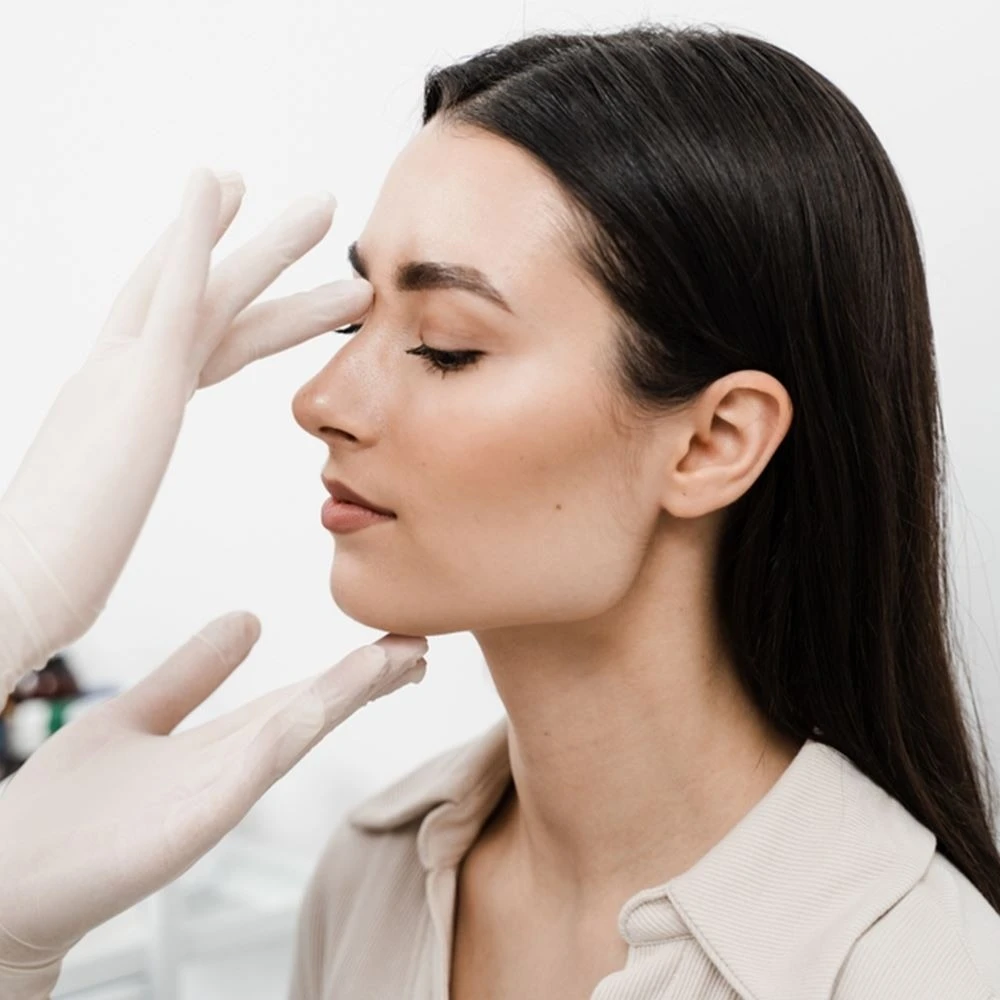
Recovering from a rhinoplasty procedure requires careful attention to post-operative care, especially during the first few weeks. One of the most important aspects of recovery is learning the correct way to sleep so that the healing nose is protected and swelling is minimized. Proper sleeping posture can help reduce discomfort, prevent complications, and support the best cosmetic outcome.Many patients searching for recovery tips after cosmetic nasal surgery often ask how sleeping habits affect healing. If you recently had Rhinoplasty in Islamabad , understanding the correct sleeping techniques can significantly improve your recovery experience and protect the results of your procedure.This detailed guide explains the safest sleeping positions, how long precautions should be followed, and practical tips recommended by surgeons to help you sleep comfortably after rhinoplasty.
Why Is Sleeping Position Important After Rhinoplasty?
After rhinoplasty, the nose and surrounding tissues are delicate and sensitive. Swelling, bruising, and minor discomfort are common in the early recovery phase. Sleeping incorrectly may increase swelling or accidentally place pressure on the nose.
Here are the main reasons surgeons emphasize proper sleep positioning:
- Reduces swelling: Elevating the head helps fluids drain and prevents excessive swelling.
- Prevents accidental pressure: Sleeping on your side or stomach may shift nasal structures or disturb stitches.
- Protects surgical results: Correct positioning supports proper healing of cartilage and tissues.
- Improves comfort: Proper posture can reduce congestion and breathing discomfort.
Because rhinoplasty reshapes the nose, maintaining the correct sleeping posture is essential during the healing process.
How Should You Sleep Immediately After Rhinoplasty?
The safest sleeping position after rhinoplasty is on your back with your head elevated.
Key sleeping guidelines include:
- Sleep on your back only
- Keep your head elevated at a 30–45 degree angle
- Use two or three pillows to support your head
- Avoid turning onto your side or stomach
- Use a neck pillow to maintain your position
Elevating the head allows gravity to reduce fluid accumulation around the nose and eyes, which can significantly minimize swelling.
Surgeons typically recommend maintaining this sleeping position for at least 1–2 weeks after surgery.
How Long Should You Sleep on Your Back After Rhinoplasty?
Patients often ask how long they must follow strict sleeping guidelines. The answer depends on the healing process and your surgeon’s recommendations.
Typical recovery timeline:
First week
- Sleep strictly on your back
- Keep head elevated at all times
- Avoid turning during sleep
Second week
- Continue sleeping on your back
- Swelling gradually decreases
- Nasal splint may be removed
Weeks 3–4
- Some patients may slowly return to side sleeping
- Still avoid pressure on the nose
After 4–6 weeks
- Most people can sleep normally again
However, always follow the instructions given by your surgeon since every patient heals differently.
How to Keep Your Head Elevated While Sleeping
Maintaining elevation throughout the night can be difficult. Here are practical strategies patients use to stay comfortable:
Use Multiple Pillows
Stacking two or three pillows helps keep the head raised and prevents rolling.
Try a Wedge Pillow
A wedge pillow provides firm support and maintains the ideal sleeping angle.
Use a Travel Neck Pillow
A U-shaped pillow prevents the head from turning sideways during sleep.
Sleep in a Recliner
Some patients prefer sleeping in a recliner chair for the first few nights to stay upright and comfortable.
These methods ensure consistent elevation and reduce the risk of accidental movement.
What Sleeping Positions Should Be Avoided?
Certain sleeping positions can negatively impact rhinoplasty recovery.
Avoid Sleeping on Your Side
Side sleeping may place pressure on the nose and increase swelling on one side of the face.
Avoid Sleeping on Your Stomach
This position can directly press the nose against the pillow, which may damage delicate tissues or affect surgical results.
Avoid Flat Sleeping
Lying completely flat allows fluids to accumulate around the nose and eyes, worsening swelling.
Maintaining the correct position ensures a smoother healing process.
Helpful Sleep Tips After Rhinoplasty
Getting quality rest during recovery is important for healing. The following tips can help improve sleep comfort.
Create a Comfortable Sleeping Setup
Arrange pillows before bedtime so you remain in the correct position throughout the night.
Stay Hydrated
Proper hydration supports healing and reduces post-surgical discomfort.
Follow Medication Instructions
Your surgeon may prescribe medications to reduce swelling and pain, which can help you sleep better.
Avoid Late-Night Salt Intake
Salty foods can increase fluid retention and worsen swelling.
Keep Your Bedroom Cool
A cool environment may reduce inflammation and improve sleep quality.
These small adjustments can make the recovery period much easier.
Comparison of Recommended vs. Risky Sleeping Positions
Below is a quick comparison of sleeping positions after rhinoplasty and their impact on recovery.
Sleeping PositionSafety LevelEffect on SwellingRisk to NoseRecommended TimeframeBack with head elevatedVery safeMinimizes swellingNo pressureFirst 2 weeksBack without elevationModerateSwelling may increaseLow riskAvoid early recoverySide sleepingRiskyUneven swellingPossible pressureAfter 3–4 weeks onlyStomach sleepingVery riskyHigh swellingHigh pressure on noseAvoid for 6 weeksRecliner sleepingVery safeHelps drainageNo pressureFirst 1–2 weeks
This comparison highlights why surgeons strongly recommend sleeping on your back with elevation during the initial recovery period.
How to Prevent Rolling Over While Sleeping
Many patients worry about accidentally rolling onto their side during sleep. Fortunately, several simple solutions can prevent this.
Pillow Barriers
Place pillows on both sides of your body to keep yourself from turning.
Body Pillow
A full-length body pillow can support your back and help maintain position.
Use a Recliner
Sleeping in a recliner naturally prevents rolling.
Ask a Partner to Help
If possible, a partner can remind you to adjust your position if you move during sleep.
These techniques can help maintain safe sleeping posture without interrupting rest.
How Long Does Swelling Affect Sleep After Rhinoplasty?
Swelling typically peaks within the first 48–72 hours after surgery. During this time, breathing may feel slightly congested, which can affect sleep.
Swelling timeline
First 3 days
- Most swelling and bruising appear
- Sleeping upright helps significantly
First week
- Swelling gradually improves
- Splint may still be in place
Weeks 2–3
- Noticeable improvement
- Breathing becomes easier
3 months onward
- Subtle swelling continues to decrease
- Final results become clearer
Proper sleeping posture helps control swelling throughout this timeline.
Can You Sleep Without the Nasal Splint?
Most rhinoplasty patients wear a nasal splint for about 5–7 days after surgery. This splint protects the newly shaped nose.
While the splint is in place:
- Sleep only on your back
- Avoid any pressure near the nose
- Maintain head elevation
Once the splint is removed, you may feel more comfortable sleeping, but it’s still recommended to avoid side sleeping for a few more weeks.
FAQs About Sleeping After Rhinoplasty
Can I sleep on my side after rhinoplasty?
Most surgeons recommend waiting at least 3–4 weeks before sleeping on your side to avoid pressure on the nose.
Can I use a regular pillow?
Yes, but it’s better to combine regular pillows with a wedge pillow or neck pillow for proper support.
Why does my nose feel more swollen in the morning?
Swelling may increase overnight due to fluid retention. Sleeping with your head elevated helps reduce this effect.
Is it normal to have trouble sleeping after rhinoplasty?
Yes. Temporary discomfort, congestion, or adjusting to a new sleeping position can affect sleep during the first few nights.
Can sleeping incorrectly ruin rhinoplasty results?
Occasional movement usually won’t cause major issues, but consistent pressure on the nose during early recovery could affect healing.
Reviews from Patients
Ayesha K.
“I was worried about sleeping after my surgery, but using a wedge pillow made a huge difference. My swelling reduced quickly and I felt comfortable throughout recovery.”
Usman R.
“My surgeon explained exactly how to sleep after rhinoplasty. Sleeping on my back for two weeks helped my nose heal perfectly, and I’m very happy with the results.”
Sara M.
“I used a travel neck pillow to prevent turning during sleep. It worked great, and my recovery was smooth with minimal swelling.”
Conclusion
Sleeping correctly after rhinoplasty is one of the most important parts of the recovery process. Maintaining a back-sleeping position with your head elevated helps reduce swelling, protects the nose from accidental pressure, and supports optimal healing.
Although adjusting to a new sleeping posture may feel uncomfortable at first, these precautions are temporary and greatly improve the overall outcome of the procedure. Following your surgeon’s instructions, using supportive pillows, and avoiding risky sleeping positions will help ensure a smooth recovery and long-lasting results.
Contact Us
If you are considering rhinoplasty or need professional guidance about recovery, our experienced specialists are here to help. We provide personalized consultations, advanced surgical techniques, and comprehensive aftercare to ensure the best possible results.
Reach out today to learn more about safe recovery practices and expert care for Rhinoplasty in Islamabad. Our team is ready to answer your questions and guide you through every step of your aesthetic journey.