
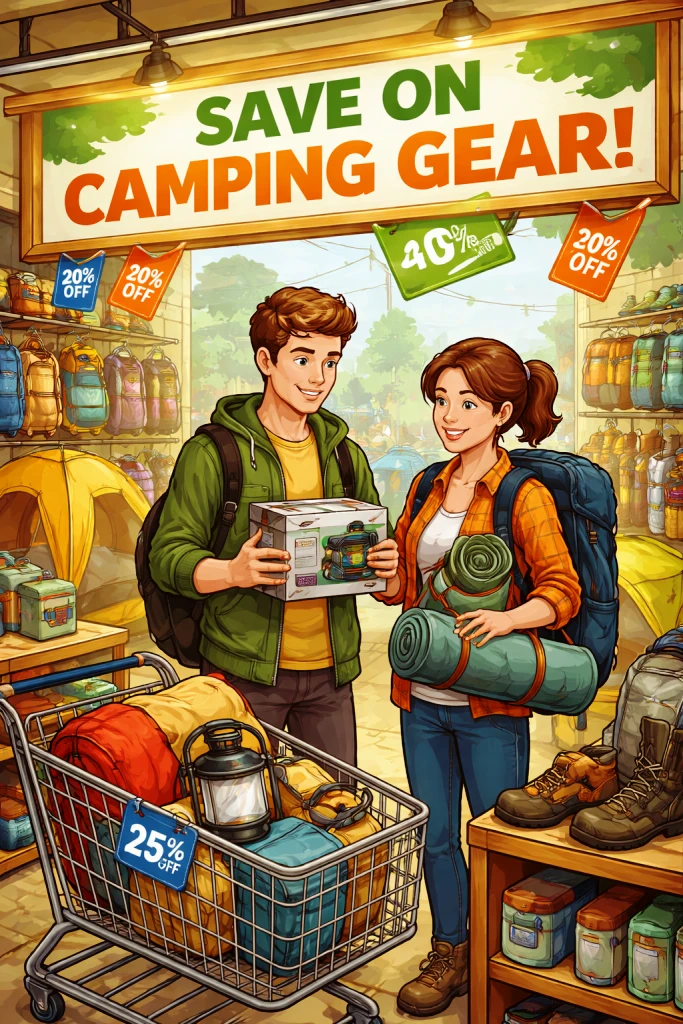
Camping is one of the most rewarding outdoor activities—whether you're planning a weekend escape to the hills or a multi-day trekking expedition. However, shopping at a camping store can quickly become expensive if you’re not strategic. From tents and sleeping bags to portable stoves and hiking boots, the costs can add up fast. The good news is that with proper planning, research, and smart purchasing decisions, you can significantly reduce your expenses without compromising on quality or safety. Below is a detailed guide on how to save money when shopping at a camping store while still building a reliable and durable gear setup.
1. Make a Detailed Gear Checklist Before You Shop
Impulse buying is one of the biggest reasons outdoor enthusiasts overspend. Before stepping into a camping store or browsing online, create a checklist based on:
- Trip duration
- Weather conditions
- Terrain type
- Group size
For example, camping in the humid forests near Chennai requires different gear than trekking in the Himalayas. Avoid buying “just in case” items unless they serve a specific purpose for your trip.
A structured checklist ensures you only purchase essentials and prevents redundant spending.
2. Invest in Core Essentials First
If you are new to camping, prioritize spending on foundational gear:
- Tent
- Sleeping bag
- Sleeping pad
- Backpack
- Cooking system
Allocate a larger portion of your budget to items that directly affect safety and comfort. A high-quality tent will last years, while cheap alternatives may fail in harsh weather, leading to costly replacements.
Saving money doesn’t mean buying the cheapest option—it means buying durable gear that won’t require frequent replacement.
3. Compare Brands and Read Technical Specifications
Camping stores often stock multiple brands offering similar products at varying price points. Rather than choosing based on brand recognition alone, evaluate:
- Material quality (e.g., ripstop nylon vs. polyester)
- Waterproof rating (measured in mm hydrostatic head)
- Weight (especially for backpacking)
- Warranty terms
Sometimes lesser-known brands provide similar technical performance at a lower price. Carefully reviewing specifications helps you avoid paying a premium for branding rather than functionality.
4. Shop During Seasonal Sales and Clearance Events
Outdoor gear follows seasonal demand cycles. Prices typically drop:
- After peak summer camping season
- Post-monsoon clearance
- End-of-year sales
Many camping stores offer clearance discounts on last season’s models. These products are usually functionally identical to newer versions but sold at reduced prices to make room for new inventory.
If you’re not in urgent need, waiting for sale periods can save 20–50%.
5. Consider Renting Before Buying
If you camp only once or twice a year, renting gear may be more economical than buying. Many outdoor retailers and adventure clubs offer rental services for:
- Tents
- Sleeping bags
- Trekking poles
- Camping stoves
Renting allows you to test equipment before investing in your own set. This approach prevents costly mistakes and helps you identify what features matter most to you.
6. Join Loyalty Programs and Subscribe for Discounts
Camping stores often provide:
- Member discounts
- Points-based reward systems
- Early access to sales
- Newsletter-only coupon codes
Signing up for loyalty programs can result in long-term savings, especially if you plan multiple trips annually.
Additionally, many online camping retailers offer first-time buyer discounts. Always check for promotional codes before completing your purchase.
7. Buy Multi-Purpose Gear
One of the most effective cost-saving strategies is choosing gear with multiple functions. For example:
- A poncho that doubles as a tarp
- A cooking pot that serves as a bowl and mug
- A headlamp that can attach to your tent interior
Multi-functional gear reduces the total number of items you need to purchase and carry.
Minimalist packing is not only budget-friendly—it also improves mobility and organization during your trip.
8. Shop Second-Hand or Pre-Owned Gear
Many campers upgrade their equipment frequently, leaving high-quality used gear available in excellent condition. Consider:
- Outdoor community groups
- Online marketplaces
- Gear swap events
Inspect items carefully for wear and tear, especially zippers, seams, and waterproof coatings. Avoid buying used safety-critical gear such as climbing ropes or harnesses.
When done cautiously, second-hand purchases can reduce costs by up to 60%.
9. Avoid Trend-Driven Purchases
Outdoor gear trends change frequently. Bright colors, ultralight materials, or “limited edition” releases often carry premium pricing.
Focus on durability and functionality rather than aesthetics. Classic designs typically offer better value and long-term usability.
Your goal is performance in real outdoor conditions—not visual appeal for social media.
10. Maintain Your Gear Properly
Saving money at a camping store doesn’t end at checkout. Proper maintenance extends gear lifespan:
- Clean and dry tents before storage
- Store sleeping bags loosely to preserve insulation
- Sharpen and oil tools regularly
- Keep stoves clean and fuel-efficient
Well-maintained gear can last many years, eliminating the need for frequent replacements.
Preventative care is one of the most overlooked cost-saving strategies in camping.
11. Borrow or Share Equipment Within Your Group
If camping with friends or family, coordinate equipment to avoid duplication. For example:
- Share cooking equipment
- Split first aid supplies
- Bring one larger tent instead of multiple small ones
Collaborative packing reduces individual costs and makes transportation easier.
Group planning significantly lowers total expenditure without sacrificing convenience.
12. Set a Budget Before Entering the Store
Camping stores are designed to showcase innovative gear that tempts buyers. Setting a predefined budget ensures discipline.
Break your budget into categories:
- Shelter
- Sleep system
- Cooking
- Clothing
- Accessories
Sticking to financial boundaries prevents emotional purchases and keeps spending aligned with your needs.
13. Research Online Before Visiting Physical Stores
Before heading to a camping store, compare prices online. Some retailers offer price-matching policies. If you find the same product cheaper elsewhere, you may request a discount.
Also, online reviews often reveal durability issues or performance limitations that may not be apparent in-store.
Preparation empowers negotiation and informed decision-making.
Conclusion
Shopping at a camping store doesn’t have to strain your budget. With strategic planning, seasonal timing, brand comparison, and disciplined purchasing habits, you can build a reliable camping setup without overspending.
The key principles are simple:
- Buy only what you need
- Invest in durability
- Take advantage of discounts
- Maintain your gear
- Avoid impulse purchases
Camping is about enjoying nature—not accumulating equipment. By applying these money-saving strategies, you can focus more on the experience and less on the expense, ensuring every adventure remains both memorable and financially sustainable.