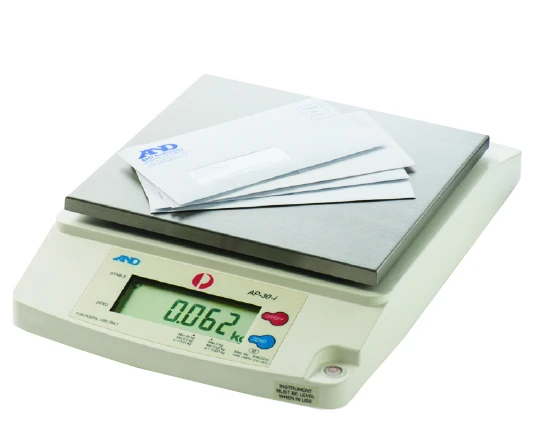
Shipping costs can quickly eat into profits — especially for eCommerce sellers, small businesses, and home-based entrepreneurs. Whether you ship occasionally or daily, even small miscalculations in parcel weight can lead to overpaying on postage. One of the simplest and most effective ways to control these expenses is by using a postal scale — also commonly referred to as a shipping scale.
Why Shipping Costs Add Up Quickly
Many businesses underestimate how much they overspend on postage. Common issues include:
- Rounding up parcel weights “just to be safe.”
- Guessing package weight instead of measuring it
- Paying carrier adjustment fees due to inaccurate declarations
- Choosing incorrect shipping tiers
Carriers calculate charges based on actual weight or dimensional weight (whichever is greater). Even being off by 100–200 grams can push your parcel into the next pricing bracket.
That’s where a reliable shipping scale becomes essential.
What Is a Postal Scale?
A postal scale is a compact, high-precision weighing device designed to measure letters, parcels, and small freight shipments. Unlike kitchen scales or bathroom scales, a dedicated shipping scale offers:
- Higher weight capacity
- Fine measurement increments (1g, 2g, or 5g)
- Tare function for packaging deduction
- Digital displays for easy reading
- Integration with shipping software (in advanced models)
For businesses sending multiple parcels daily, it’s not just helpful — it’s a necessity.
1. Prevent Overpaying on Postage
One of the biggest benefits of using a postal scale is accuracy.
Without a scale, businesses often round up weights to avoid underpaying. For example:
- Actual weight: 1.92 kg
- Declared weight: 2.0 kg
If your courier’s pricing jumps at 2 kg, that small difference could increase costs significantly — especially when multiplied across hundreds of shipments.
A precise shipping scale ensures you:
- Pay only for the exact weight
- Avoid moving into higher price brackets unnecessarily
- Improve profit margins per order
Over time, these small savings add up to substantial cost reductions.
2. Avoid Carrier Adjustment Fees
Carriers frequently reweigh parcels at their sorting facilities. If your declared weight is lower than the actual weight, they may:
- Apply additional charges
- Add administrative fees
- Delay deliveries
Repeated discrepancies can even impact your shipping account credibility.
Using a certified shipping scale ensures you declare the correct weight every time, helping you avoid unexpected back charges and billing disputes.
3. Reduce Packaging Waste
A postal scale doesn’t just weigh parcels — it helps you optimize packaging.
When you know the exact weight of your product, you can:
- Select lighter packaging materials
- Avoid oversized boxes
- Prevent unnecessary filler materials
Lighter packaging reduces both actual weight and dimensional weight. This is particularly important for courier services that calculate rates based on package size.
By pairing the right packaging with an accurate shipping scale, you reduce costs on two fronts — weight and volume.
4. Compare Courier Pricing Accurately
Different couriers have different pricing tiers. If you don’t know your exact parcel weight, it’s impossible to compare rates properly.
For example:
- Courier A may be cheaper for under 1 kg
- Courier B may offer better pricing for 1–3 kg
A postal scale gives you precise data, allowing you to:
- Check shipping calculators confidently
- Compare courier options
- Choose the most cost-effective service
This is especially useful for businesses shipping nationally and internationally.
5. Improve Efficiency and Save Time
Time is money in any business. Manually estimating weight or correcting shipping errors wastes valuable time.
A digital shipping scale allows you to:
- Weigh items quickly at packing stations
- Print accurate shipping labels immediately
- Reduce mistakes in order fulfillment
Some advanced scales even integrate with shipping software, automatically transmitting weight data into platforms like Shopify, WooCommerce, or courier portals.
This automation reduces manual input errors and speeds up the dispatch process.
6. Control Costs for Growing eCommerce Businesses
As order volume increases, shipping becomes one of the largest operational expenses.
Here’s how a postal scale helps growing businesses:
✔ Better Margin Management
When you know exact shipping costs, you can:
- Set accurate flat shipping rates
- Offer free shipping strategically
- Avoid absorbing unexpected courier fees
✔ Smarter Inventory Planning
By tracking product weight consistently, you can:
- Forecast shipping expenses more accurately
- Bundle items strategically
- Adjust product pricing based on freight impact
✔ Scalable Operations
A high-capacity shipping scale supports heavier parcels as your product range expands.
7. Minimise Human Error
Human estimation is rarely accurate. Even experienced packers can misjudge weight — especially with bulky or irregular items.
Common mistakes include:
- Forgetting to include packaging weight
- Not zeroing the scale before weighing
- Using non-calibrated devices
A quality postal scale with:
- Tare function
- Auto-calibration
- Clear digital display
… significantly reduces these risks.
Accuracy equals predictability — and predictability saves money.
8. Choose the Right Shipping Scale for Maximum Savings
Not all postal scales are equal. To truly save on shipping costs, consider:
Capacity
Choose a scale that handles your maximum parcel weight. Common options range from 5 kg to 50 kg.
Precision
Look for increments of:
- 1g for small parcels
- 5g for mid-range shipping
- 10g for larger boxes
Higher precision prevents rounding errors.
Platform Size
Ensure the weighing platform accommodates your largest box without blocking the display.
Durability
For high-volume shipping environments, invest in industrial-grade models designed for daily use.
Connectivity
USB or Bluetooth-enabled shipping scales can integrate directly with dispatch systems, reducing manual entry mistakes.
9. Long-Term Return on Investment (ROI)
A quality postal scale is a one-time investment that pays for itself quickly.
Consider this scenario:
If you save just:
- $0.50 per parcel
- Across 20 parcels per day
- Over 250 business days
That equals $2,500 in annual savings.
And that doesn’t include avoided carrier fees, time savings, or improved operational efficiency.
For most businesses, a shipping scale pays for itself within months.
10. Final Tips to Maximise Savings
To get the most value from your postal scale:
- Calibrate it regularly
- Always use the tare function for packaging
- Weigh test parcels when changing box types
- Reassess courier pricing quarterly
- Track average parcel weight trends
Small process improvements can lead to large cost reductions over time.
Conclusion
Shipping costs don’t have to drain your profits. By investing in a reliable postal scale, businesses gain control, accuracy, and confidence in every shipment. A high-quality shipping scale eliminates guesswork, prevents overpayment, reduces carrier penalties, and supports smarter logistics decisions.
Whether you’re running a small online store or managing a growing fulfilment operation, precise weighing is one of the simplest — and most effective — ways to cut shipping expenses.