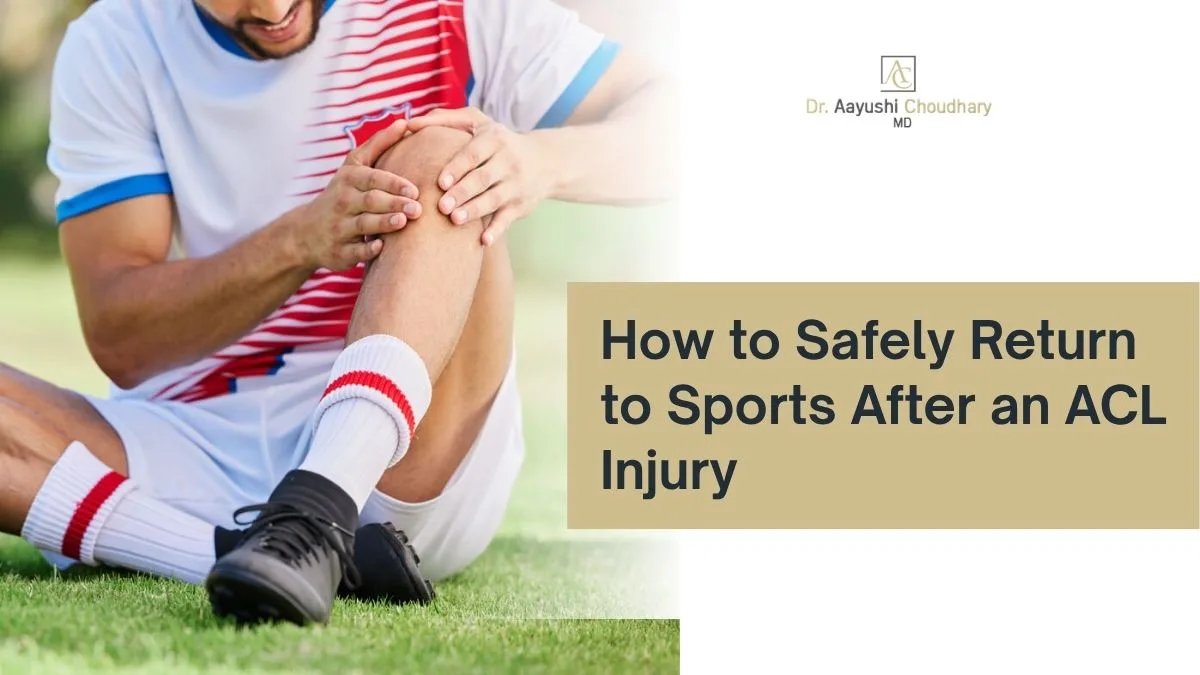
An ACL (Anterior Cruciate Ligament) injury can feel like a major setback—especially for athletes and active individuals. Whether it happened during a sudden twist, a bad landing, or a sports collision, the road to recovery requires patience, proper guidance, and a structured plan.
The good news? With the right approach, you can safely return to sports and regain your confidence. This guide will help you understand the recovery process, timelines, and key precautions for a strong comeback after an ACL injury.
What is an ACL Injury?
The ACL is one of the key ligaments that stabilize your knee joint. It plays a crucial role in controlling movement, especially during activities like running, jumping, and changing direction.
An ACL injury usually occurs due to:
- Sudden stops or changes in direction
- Incorrect landing from a jump
- Direct impact or collision
- Twisting of the knee
Common symptoms include knee pain, swelling, instability, and difficulty bearing weight.
Why Proper Recovery is Important
Returning to sports too early is one of the biggest mistakes people make after an ACL injury. Without full recovery, the risk of re-injury increases significantly.
A safe return to sports depends on:
- Complete healing of the ligament
- Restored strength and flexibility
- Proper neuromuscular control
- Mental readiness
Recovery is not just about time—it’s about meeting the right physical milestones.
Phases of ACL Injury Recovery
1. Early Recovery Phase (0–6 Weeks)
The focus during this stage is to:
- Reduce swelling and pain
- Restore basic knee movement
- Begin gentle physiotherapy
You may be advised rest, ice therapy, and controlled exercises. If surgery is required, this phase includes post-operative care.
2. Strength Building Phase (6–12 Weeks)
Once pain reduces, the next step is strengthening the muscles around the knee:
- Quadriceps and hamstrings strengthening
- Balance and stability exercises
- Gradual increase in weight-bearing activities
- This phase is crucial to rebuilding knee support.
3. Advanced Training Phase (3–6 Months)
Here, rehabilitation becomes more active:
- Agility drills
- Controlled running
- Sport-specific exercises
The goal is to prepare your body for real sports movements.
4. Return-to-Sport Phase (6–9 Months or More)
This is the final stage where you gradually return to sports. However, clearance from a best ACL doctor or physiotherapist is essential before resuming full activity.
When is it Safe to Return to Sports?
There is no fixed timeline for everyone. While many people aim for 6–9 months, true readiness depends on:
- Full range of motion in the knee
- No pain or swelling
- Strength equal to the uninjured leg
- Good balance and coordination
- Confidence in movement
A proper assessment ensures you don’t return too soon.
Key Tips for a Safe Comeback
1. Follow a Structured Rehabilitation Program
Skipping rehab or doing random exercises can delay recovery. Always follow a guided physiotherapy plan tailored to your condition.
2. Focus on Strength and Stability
Strong muscles support the knee and reduce stress on the ACL. Prioritize:
- Core strength
- Leg strength
- Hip stability
3. Don’t Ignore Warm-Up and Cool-Down
Before returning to sports, proper warm-up routines help prevent injuries. Cooling down helps in muscle recovery.
4. Use Proper Techniques
Learning correct movement techniques—like landing and pivoting—reduces the risk of re-injury.
5. Wear Support if Needed
In some cases, knee braces may be recommended during early return to sports for added support.
- Mental Readiness Matters
- Physical recovery is only half the journey. Many athletes experience fear of re-injury.
To overcome this:
- Start with low-intensity activities
- Gradually build confidence
- Celebrate small progress
- Mental strength plays a big role in successful recovery.
Common Mistakes to Avoid
Avoid these mistakes during your ACL injury recovery:
- Returning to sports too early
- Skipping physiotherapy sessions
- Ignoring pain or discomfort
- Comparing your recovery with others
- Not following medical advice
Recovery is personal—focus on your own progress.
Role of Expert Guidance
Choosing the right specialist can make a huge difference in your recovery journey. An experienced best ACL doctor will:
- Assess the severity of your sports injury
- Recommend the right treatment (surgical or non-surgical)
- Guide you through rehabilitation
- Monitor your return-to-sport readiness
- Professional support ensures a safer and faster recovery.
Long-Term Knee Care After ACL Injury
Even after returning to sports, ongoing care is important:
- Continue strengthening exercises
- Maintain a healthy weight
- Avoid overtraining
- Stay consistent with fitness routines
- This helps prevent future injuries and keeps your knee strong.
Conclusion
Recovering from an ACL injury takes time, discipline, and the right approach—but a safe return to sports is absolutely possible. By following a structured rehabilitation plan, focusing on strength and stability, and listening to your body, you can get back to doing what you love without risking further injury.
If you’re looking for expert care, consulting the best ACL doctor is the first step toward proper recovery. For those seeking advanced care options, exploring ACL injury treatment in Jaipur can help you access experienced specialists and personalized rehabilitation programs.
Your comeback may take time—but with patience and the right guidance, it will be stronger than ever.