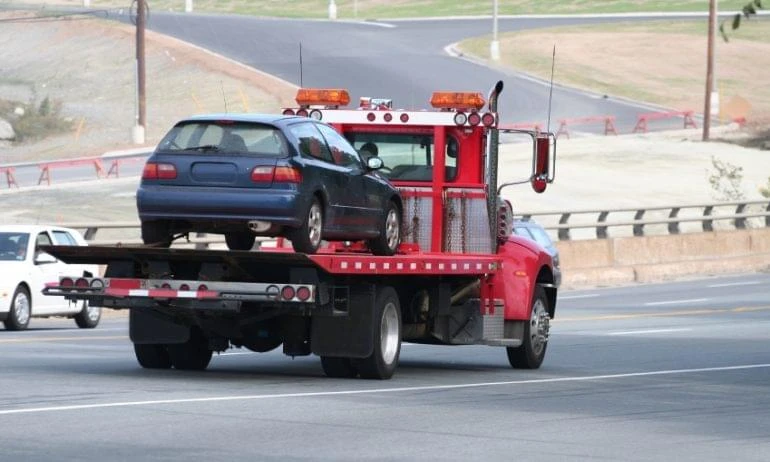
Unwanted vehicles at rental properties are a common issue across Sydney. Landlords, property managers, and tenants often face problems when a damaged, unused, or unregistered car is left behind. These vehicles take up space, create disputes, and may even lead to council action if ignored for too long. Removing such a car requires the right steps, legal awareness, and proper planning.
This guide explains how unwanted cars can be removed from rental properties in Sydney while following local rules and keeping all parties protected.
Why Unwanted Cars Become a Problem in Rental Properties
Rental homes often change occupants. When tenants move out, vehicles are sometimes left behind due to mechanical failure, cost concerns, or lack of planning. Over time, these cars become a concern for property owners.
Unwanted vehicles may:
- Block driveways or shared parking areas
- Create safety risks for residents
- Lower the appearance of the property
- Trigger complaints from neighbours
- Attract council notices
Local councils in Sydney treat abandoned vehicles as a serious matter. If a vehicle stays unattended for a long period, penalties may apply.
Understanding Legal Responsibility in Sydney
Before removing a vehicle, it is important to understand who holds responsibility. In Sydney, ownership does not change simply because a car is left on a property.
Responsibility of the Tenant
If the vehicle belongs to a tenant who is still living at the property, removal remains their responsibility. Property managers should provide written notice requesting action within a reasonable timeframe.
Responsibility After a Tenant Leaves
If the tenant has vacated and left a car behind, the landlord or property manager must follow correct procedures. The vehicle cannot be taken or sold without following local rules.
NSW guidelines usually require:
- Attempting contact with the last known owner
- Providing written notice
- Allowing a waiting period before removal
Failure to follow these steps can cause legal disputes.
Council Rules About Abandoned Vehicles
Sydney councils classify a vehicle as abandoned when it:
- Has no registration
- Shows signs of long-term neglect
- Has not moved for an extended period
Councils can issue warnings, fines, or removal orders. Property owners may be asked to act before council involvement increases.
Reporting an abandoned vehicle may involve:
- Submitting a complaint
- Providing photos
- Sharing property ownership details
Taking early action helps avoid these steps.
Steps to Remove an Unwanted Car From a Rental Property
Step One: Confirm Ownership
Confirm whether the vehicle belongs to:
- A current tenant
- A former tenant
- An unknown party
Checking registration details through Service NSW may help identify the owner.
Step Two: Provide Written Notice
If the owner is known, written notice should be sent. The notice should state:
- The issue with the vehicle
- A deadline for removal
- Possible next steps if ignored
Keep copies of all communication for records.
Step Three: Document the Vehicle Condition
Photographs and written notes help protect property owners. Document:
- Location of the vehicle
- Visible damage
- Registration status
This information may be needed if disputes arise.
Step Four: Arrange Lawful Removal
Once legal steps are followed, the vehicle can be removed from the property. This should be done in a manner that does not damage the premises or nearby vehicles.
Environmental Impact of Leaving Cars Unattended
Unwanted vehicles can harm the local environment. Over time, fluids such as oil, coolant, and brake liquid may leak into soil or drains. This can affect nearby gardens and water systems.
Sydney councils promote responsible vehicle handling to reduce:
- Soil contamination
- Water pollution
- Visual waste
Removing unused vehicles helps protect local areas.
Role of Recycling in Vehicle Removal
Most unwanted vehicles still contain materials that can be reused. Steel, aluminium, copper, and rubber are commonly recovered. Recycling these materials reduces landfill pressure and supports local manufacturing.
Australia recycles a large portion of vehicle metal each year. Proper removal supports this system and keeps harmful waste under control.
Managing Disputes Between Landlords and Tenants
Disagreements about vehicle removal often arise. Clear communication helps avoid conflict.
Property managers should:
- Include vehicle rules in lease agreements
- Keep written records
- Act within NSW tenancy laws
Clear documentation protects both parties.
When Property Managers Step In
Property managers often act as the middle party. Their role includes:
- Communicating with tenants
- Advising landlords
- Coordinating removal after approval
Their involvement ensures that removal follows tenancy guidelines.
Timeframes to Act Before Council Action
Councils may act when a vehicle remains untouched for weeks or months. Acting early reduces pressure and avoids warnings.
Removing unwanted cars sooner helps:
- Keep properties compliant
- Maintain shared parking access
- Prevent neighbour complaints
A Practical Option Linked to Vehicle Removal
In some cases, arranging vehicle removal through a service connected to recycling can help resolve the issue without delays. One such option is cash for scrap cars sydney, which is offered by the company.This type of service fits naturally into the removal process when a vehicle has no further use at a rental property. It supports lawful removal, clears space, and ensures materials are handled through approved recycling channels. This approach aligns with council expectations and reduces ongoing concerns for property owners.
Keeping Rental Properties Clear Long Term
Preventing future issues is just as important as removing current ones. Property owners can:
- Set vehicle limits in leases
- Inspect parking areas regularly
- Address concerns early
Clear rules help avoid repeated problems.
Final Thoughts
Unwanted cars at rental properties in Sydney can create legal, environmental, and space-related issues if ignored. Understanding responsibility, following NSW rules, and acting within council guidelines helps avoid penalties and disputes. Proper removal keeps properties safe, compliant, and visually clean.
Taking the right steps protects landlords, tenants, and the wider community while supporting responsible vehicle handling across Sydney.