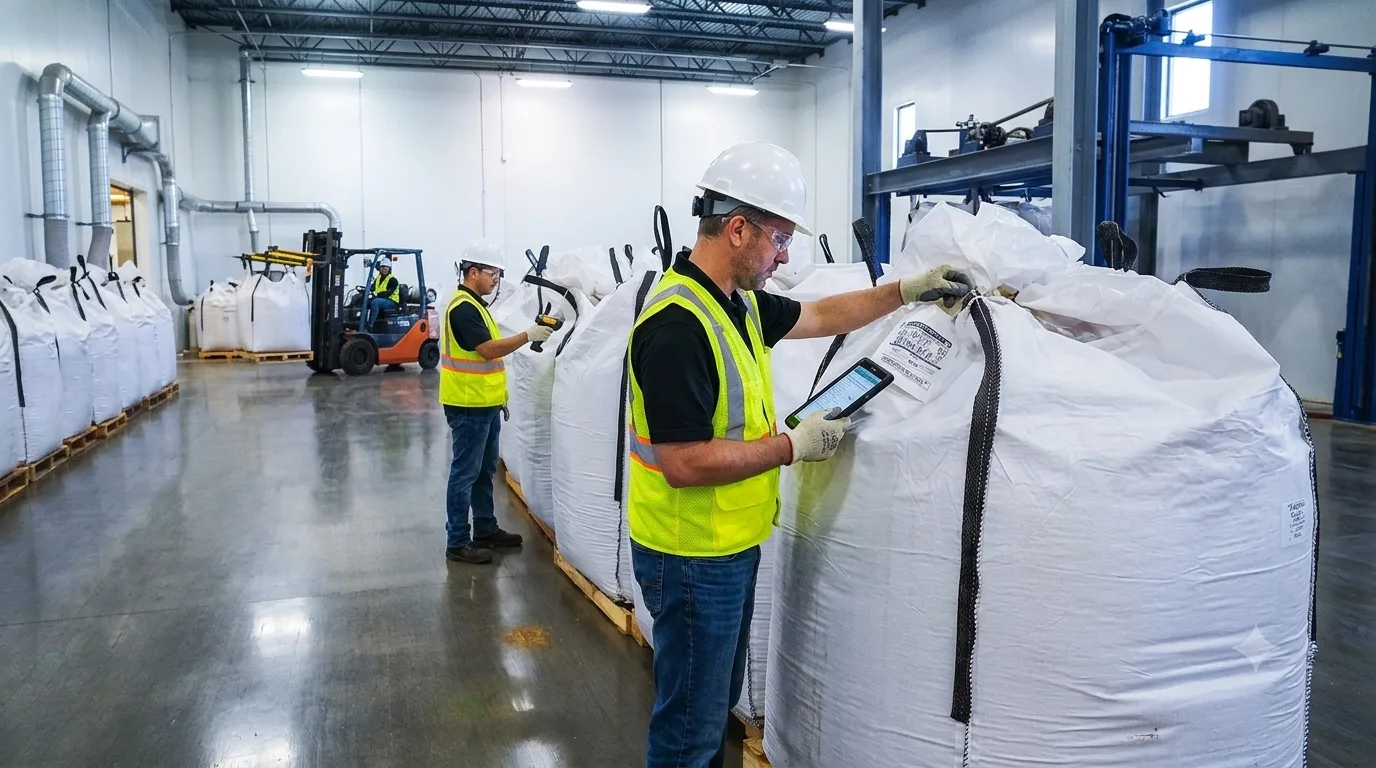
Dry bulk commodities pass through many hands before they reach the end user. Grain, powders, minerals, fertiliser, and food ingredients are filled, lifted, stacked, transported, and discharged. Each stage carries a risk of spillage, moisture, or contamination. Even a minor fault early in the chain can lead to significant product loss by the time a shipment arrives.
Packaging is one of the most controllable factors in managing that risk. The bag, the liner, and the standards behind their manufacture all influence the outcome.
This post outlines what to look for, drawing on the range offered by Wales Industries, an Australian FIBC bulk bag manufacturer operating since 2016.
What Is the Best Way to Reduce Contamination in Dry Bulk Handling?
Match the packaging to the product. Choose a bag type that suits how the load is filled and moved, use a liner so cargo never touches the container wall, and buy from a supplier that tests its products and works to named standards. The sections below take each step in turn.
Choose the Right Bag for the Job
FIBC stands for Flexible Intermediate Bulk Container. People also call it a bulk bag or big bag. Wales Industries makes several types:
- Baffle bags keep a square shape and prevent bulging during filling and transport, which helps with stacking and container space.
- 1- and 2-loop FIBCs suit lightweight bulk handling.
- 4-loop bulk bags are built for heavy-duty industrial use, with food-grade and certified options.
- Conductive (Type C) bags are made for flammable powders. They dissipate static through proper grounding, which helps prevent sparks during filling and discharge.
- UN-certified FIBCs are designed for hazardous and dangerous goods and are tested for strength, durability, and performance.
Keep Cargo Away From Container Walls
Container liners fit inside 20- or 40-foot ISO containers. Wales says a liner is ready for use within 10 to 15 minutes. The polypropylene fabric sits on the inside, so the product does not touch the container. It works as an extra inner wall that protects against contamination.
The liners are made from food-grade material under clean manufacturing conditions. The fabric comes with or without lamination, and lamination adds strength and moisture resistance in transit.
Typical contents listed by Wales include:
- Sugar, salt and other bulk food commodities
- Plastic granules and resins
- Fertilisers and powdered materials
- Minerals and ores
- Chemicals and petrochemicals
- Seeds, grains, rice, wheat, maize and pulses
Check How the Bag Is Tested
Wales tests its products in an in-house laboratory. The list includes:
- Sifting test
- Drop test
- Topple test
- Stacking test
- Tear test
- Coating performance test
- Grounding test
The company also lists the standards it follows, including ISO 21898 for non-hazardous goods, ISO 9001 for quality management, and AS 3668-1989. When a supplier can name its tests and standards, your own checks become much easier.
Hygiene Controls for Food and Pharmaceutical Goods
Food and pharmaceutical products need extra care. Wales states that its food-grade FIBCs are made in BRC-certified facilities that align with GFSI requirements, using 100% virgin polypropylene resin that complies with FDA food contact standards. During production:
- Air washing equipment is used
- A metal detector is used
- Every bag goes through light inspection
- All bulk bags are vacuumed
- Food-grade LDPE, LLDPE, or foil liners can also be fitted inside the bag.
For pharmaceutical use, Wales says production takes place in food-grade cleanroom facilities that comply with ISO 9001 and ISO 22000, supported by HACCP, BRC, and AIB systems. The company says its pharma-grade bags are designed to support safe handling and to reduce spills and wastage.
Summary
Reducing product loss and contamination starts with matching the packaging to the product. Pick a bag type that suits how the load is filled, stacked, and lifted, and use a container liner so the cargo never touches the container wall.
Ask each supplier which tests and standards they work to. For food and pharmaceutical goods, also check the hygiene controls used during production.
To review your own dry bulk handling, talk to the Wales Industries team about the right bag and liner for your product.