A compact stroller is built for convenience, but that convenience often comes with a trade-off: frequent folding and unfolding puts more strain on hinges, locking mechanisms, and wheels than occasional use ever would. Many parents don't realize that how a stroller is folded and stored day to day has a direct impact on how long it lasts. This guide walks through the correct techniques and habits that help protect your stroller's moving parts and keep it functioning smoothly for years, not just months.
Why Folding Technique Affects Stroller Lifespan
The Hidden Cost of Rushing the Fold
When you're juggling a child, bags, and a tight schedule, it's tempting to force a stroller closed quickly without following the proper sequence. Doing this repeatedly puts uneven pressure on the folding joints, which can loosen locking pins, bend frame components, or cause the mechanism to stop clicking into place securely over time.
What a Proper Fold Actually Looks Like
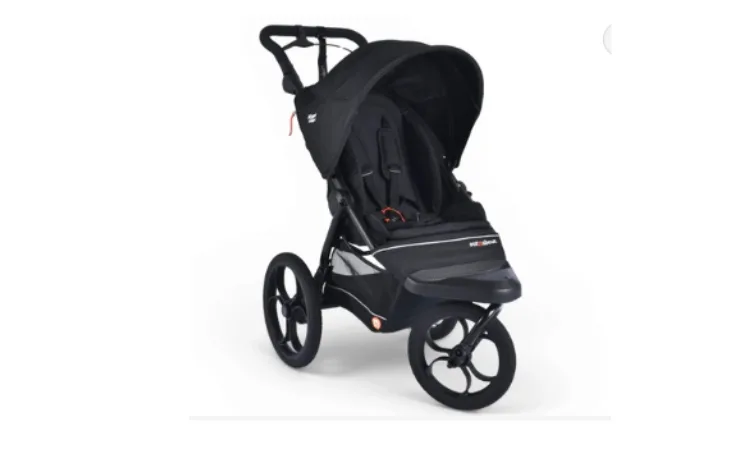
Most compact strollers, including models like the Compact Stroller range, are designed with a specific folding order that distributes pressure evenly across the frame. Taking the extra few seconds to follow the manufacturer's intended steps rather than pushing, twisting, or forcing panels together significantly reduces wear on the hinges and locking clips over time.
Correct Folding Steps for Everyday Use
A General Sequence to Follow
While exact steps vary by model, most compact strollers follow a similar general pattern:
- Remove any attachments, such as car seat adapters or cup holders, before folding
- Engage the parking brake to keep the frame stable during the fold
- Activate the fold release mechanism as instructed, rather than forcing the frame closed manually
- Allow the stroller to fold fully before locking it, rather than stopping halfway and pushing it the rest of the way
- Check that the automatic locking mechanism has engaged, so the stroller doesn't spring open unexpectedly
Common Mistakes to Avoid
- Folding with wet fabric, which can trap moisture inside the frame and lead to mildew or corrosion
- Leaving items in the storage basket while folding, which adds unnecessary strain to the frame
- Forcing a fold when something is caught or jammed, rather than checking for the obstruction first
Storage Conditions That Protect Moving Parts
Choosing the Right Storage Spot
Where you store a stroller between uses matters more than most parents expect. Damp garages, direct sunlight, and extreme temperature swings can all accelerate wear on fabric, plastic components, and metal joints.
Ideal Storage Practices
- Store the stroller in a dry, temperature-stable area, away from direct sunlight that can fade fabric and weaken plastic over time
- Avoid stacking heavy items on top of a folded stroller, which can warp the frame or damage locking mechanisms
- If storing for an extended period, keep the stroller slightly open rather than tightly locked, to reduce prolonged pressure on hinges
Storing During Travel
When flying or using public transport, stroller bags or protective covers help shield the frame and wheels from rough handling. This is particularly useful for compact strollers that are gate-checked or placed in overhead compartments, where they're more exposed to impact than a stroller left in a car boot.
Maintenance Habits That Prevent Premature Wear
Hinges and Locking Mechanisms
Dust, dirt, and moisture can build up in folding joints over time, making the fold feel stiffer or less reliable. Wiping down hinge areas with a dry cloth regularly, and applying a small amount of manufacturer-recommended lubricant every few months, keeps the mechanism moving smoothly.
Wheels and Axles
Compact stroller wheels are often smaller than those on full-size models, which means dirt and debris can accumulate more quickly in the axle area. Checking wheels periodically for trapped debris, and cleaning axles when they start to feel less smooth, helps prevent uneven wear or squeaking.
Fabric and Frame Care
- Wipe down the frame after outdoor use, especially in wet or dusty conditions
- Clean fabric according to the manufacturer's care instructions, rather than assuming all stroller fabric is machine washable
- Check screws and bolts periodically, as frequent folding can gradually loosen them over time
Signs Your Stroller Needs Attention
When to Address a Problem Early
Catching small issues early prevents them from becoming bigger, costlier problems. Watch for:
- A fold that feels stiffer or requires more force than usual
- Wheels that wobble, squeak, or don't roll smoothly
- A locking mechanism that doesn't click into place as reliably as it once did
Addressing these signs early, rather than waiting for a complete failure, extends the usable life of the stroller significantly.
Final Thoughts
Proper folding technique and thoughtful storage might seem like small details, but they play a major role in how long a compact stroller lasts, especially for parents who fold and unfold it multiple times a day. Following the manufacturer's intended fold sequence, storing the stroller in stable conditions, and keeping up with basic maintenance are simple habits that protect your investment and keep the stroller performing reliably for years of daily use.