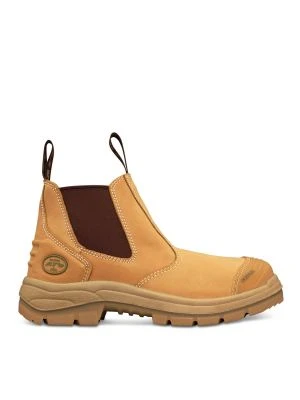
Leather elastic-sided boots—often known as Chelsea boots or slip-on work boots—are a timeless footwear choice. Popular across both fashion and workwear, they offer comfort, convenience, and durability. Whether worn on construction sites, farms, warehouses, or as everyday casual footwear, proper care is essential to maintain their appearance, functionality, and lifespan.
Leather is a natural material that responds to its environment. Without regular care, elastic-sided boots can dry out, crack, lose shape, or suffer damage to their elastic panels.
Understanding Leather Elastic-Sided Boots
Elastic-sided boots are characterised by their slip-on design and flexible elastic gussets on either side of the ankle. The leather upper provides structure and protection, while the elastic panels allow for easy on-and-off wear. These boots are commonly used as:
- Work boots (including safety-rated styles)
- Casual or dress boots
- Riding or farm boots
- Warehouse and hospitality footwear
Because they combine leather and elastic materials, proper care must address both components to ensure long-term durability.
Why Proper Boot Care Matters
Caring for leather elastic-sided boots is not just about aesthetics—it directly affects comfort, safety, and longevity. Regular maintenance:
- Prevents leather from drying and cracking
- Maintains flexibility and shape
- Protects against water and stains
- Extends the life of elastic panels
- Reduces odour and bacterial build-up
- Preserves grip and sole performance
Well-maintained boots can last years longer than neglected pairs, saving money and ensuring consistent performance.
Step 1: Clean Your Boots Regularly
Cleaning is the foundation of proper boot care. Dirt, dust, mud, and chemicals can break down leather and elastic over time.
Dry Cleaning
After each wear, use a soft brush or dry cloth to remove surface dirt. Pay attention to stitching and seams where debris can accumulate.
Wet Cleaning
For heavier soiling:
- Remove excess dirt with a brush.
- Use a damp cloth or sponge with a mild leather cleaner.
- Gently wipe the leather surface—avoid soaking the boots.
- Clean elastic panels carefully using a lightly damp cloth.
Never use harsh detergents or submerge boots in water, as this can damage both leather and elastic.
Step 2: Dry Boots Correctly
Improper drying is one of the most common causes of leather damage.
- Allow boots to air dry naturally at room temperature
- Keep them away from direct heat sources such as heaters, fireplaces, or direct sunlight
- Stuff boots with newspaper or boot trees to absorb moisture and retain shape
Heat can cause leather to shrink, crack, or harden and can weaken elastic gussets.
Step 3: Condition the Leather
Leather conditioning replaces natural oils lost through wear and exposure.
How Often to Condition
- Work boots: every 2–4 weeks (or more frequently in harsh conditions)
- Casual boots: every 1–2 months
How to Condition
- Ensure boots are clean and dry.
- Apply a small amount of leather conditioner with a soft cloth.
- Work it into the leather using circular motions.
- Allow it to absorb fully before wearing.
Conditioning keeps leather supple, prevents cracking, and improves water resistance.
Step 4: Protect Against Water and Stains
While leather is naturally resilient, it benefits greatly from added protection.
Waterproofing Sprays or Creams
Use a leather-safe waterproofing product designed for elastic-sided boots. Apply evenly and allow adequate drying time before use.
Avoid heavy waxes on boots with elastic panels, as wax can transfer onto the elastic and reduce flexibility.
Step 5: Care for the Elastic Side Panels
Elastic gussets are essential to the comfort and function of slip-on boots but are often overlooked.
Elastic Care Tips:
- Avoid over-stretching when putting boots on—use a boot pull or shoehorn if needed
- Keep elastic clean and free from oil, polish, and wax
- Do not soak elastic panels in water
- Allow boots to fully dry after wear to prevent elastic fatigue
Proper care prevents sagging, tearing, and loss of elasticity over time.
Step 6: Polish for Appearance and Protection
Polishing leather boots enhances appearance while adding a protective layer.
- Choose a polish that matches the leather colour
- Apply sparingly using a soft cloth or brush
- Buff gently for a natural shine
Polishing is especially useful for dress or office-style elastic-sided boots but can also benefit work boots by sealing the leather surface.
Step 7: Store Boots Properly
Storage plays a significant role in long-term boot care.
- Store boots in a cool, dry place
- Avoid damp areas that promote mould and mildew
- Use boot trees to maintain shape
- Allow boots to rest between wears, especially work boots
Rotating footwear reduces moisture build-up and extends the life of both leather and elastic components.
Common Mistakes to Avoid
To protect your boots, avoid these common errors:
- Drying boots near heaters or in direct sunlight
- Using household cleaners or detergents
- Over-conditioning, which can soften leather excessively
- Ignoring elastic panels during cleaning
- Wearing the same boots every day without rest
When to Repair or Replace
Even with proper care, boots experience wear over time. Consider professional repair if:
- Soles are worn but uppers remain in good condition
- Elastic panels are loose but intact
- Stitching begins to fail
High-quality leather elastic-sided boots are often worth repairing rather than replacing.
Final Thoughts
Knowing how to properly care for leather elastic-sided boots ensures they remain comfortable, durable, and stylish for years. With regular cleaning, conditioning, protection, and correct storage, your boots can handle daily wear—whether on a worksite, farm, or city street.
Investing a small amount of time in proper boot care protects both your footwear and your feet, delivering better performance, safety, and value in the long run.