Damage from water can be unpredictable. Irrespective of the cause, whether it is from a pipe that bursts, a roof leak, a defective appliance, or the weather, any excess moisture can be conducive to Mold formation. Most people focus on removing visible water but overlook the moisture hidden in walls, floors, and other parts of the home.
Reasons for the Formation of Mold Following Water Damage
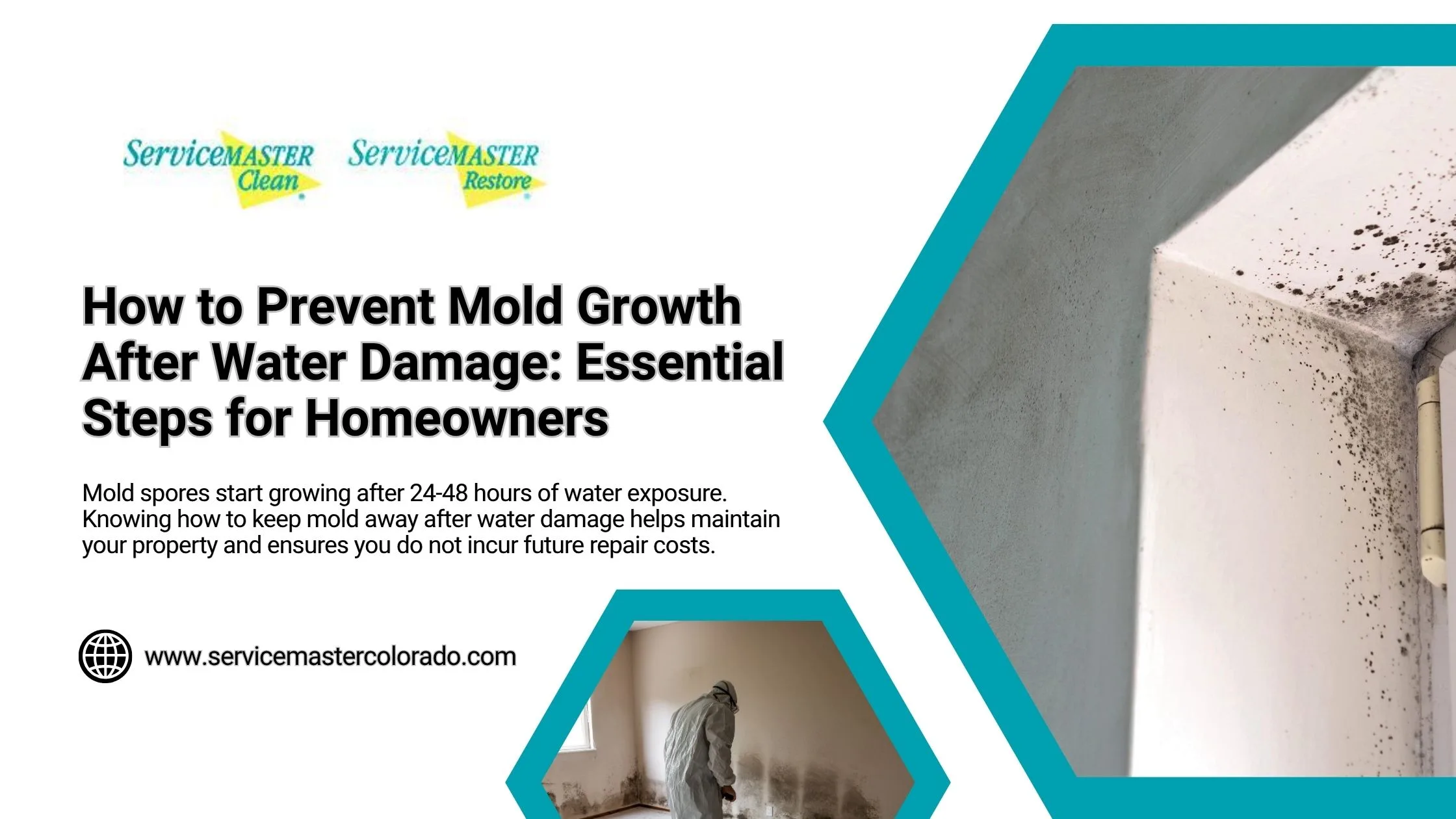
Mold spores start growing after 24-48 hours of water exposure. Knowing how to keep Mold away after water damage helps maintain your property and ensures you do not incur future repair costs.
Molds grow in moist surroundings that are conducive to them. Although standing water has been eliminated from the environment, small amounts of moisture may remain in some areas. If such surroundings combine with warmth and a lack of air, it becomes a place where Molds multiply and reproduce.
The formation of Molds in places where they cannot easily be detected leads people to overlook their presence when they experience unusual smells or changes in their surroundings. In order to prevent Mold formation, people should eliminate moisture.
Act Fast After Water Damage
The very first thing you must do after water damage occurs is to act fast. This will prevent any damage from occurring or becoming worse.
As soon as the water damage happens, you should drain the water and start the drying process right away. You can rely on Professional Water Damage Restoration Steamboat Springs services for proper assistance.
Get Rid of Extra Water Quickly
Water must never be ignored because it can get inside of your flooring, wallboard, furniture, and other absorbent items in a short amount of time.
You can use pumps, wet vacs, or other water extraction machines to make sure that the water does not get in any of these items.
Make Sure You Dry All Affected Areas Properly
This is the first stage, but you must make sure you dry everything completely to avoid mold.
Consider these areas when drying:
- Carpeting and rugs
- Flooring such as hardwood and laminate
- Drywall and insulation
- Furniture and upholstery
- Basements and crawlspace areas
Fans, dehumidifiers, and proper ventilation can assist with this process. Moisture detection devices such as moisture meters are commonly employed by professional restoration companies.
Improve Air Circulation in the Interior
Ventilation is vital for managing moisture in the building. Proper air movement can help keep the humidity low and dry out the entire area.
When possible, open the windows and utilize exhaust fans in places such as bathrooms, kitchens, and laundry rooms. Improved air circulation will play an important part in avoiding mold growth after flooding.
Keep Humidity in Check
Controlling humidity is one of the most powerful methods for avoiding any future mold growth. The humidity level indoors should always be kept below 50%.
You can help keep humidity in check by:
- Using dehumidifiers
- Addressing leaks right away
- Taking care of your HVAC system
- Ventilating properly
- Checking moisture-prone areas frequently
Removal of Materials That Cannot Be Dried
There may be materials that have been excessively damaged to ever be able to completely dry out. Examples would include ceiling tiles, insulation, and very wet drywall.
Materials that cannot be dried should just be removed and replaced. By doing so, you can avoid any Mold colonies growing inside walls or under floors.
Clean and Sanitize Surfaces
After drying, the surfaces should then be cleaned and sanitized. Damage to surfaces due to water may expose surfaces to contaminants that might affect indoor air quality.
It helps keep the surfaces clean from dirt, bacteria, and residues, thus making your home a safer place for your family to live in.
Look For Any Moisture In Concealed Locations
A difficult task when dealing with any water damage is finding concealed moisture pockets. Water often seeps into wall cavities, under the floor, and other such areas.
These concealed areas must be found out before the situation gets worse by causing Mold growth. Many professionals make use of modern moisture-detecting instruments.
Early Mitigation: The Significance
Implementing early mitigation techniques can help prevent further issues. In order to mitigate any risks associated with water, it is vital to control moisture levels, protect building materials, and avoid situations where Molds grow. Early Water Mitigation in Steamboat Springs saves time and money in repair work.
Indications That Mold is Forming
Though remediation measures have been taken, there are still several indications of possible mold formation, which include:
- Musty smell in the air
- Presence of dark spots on the walls or ceiling
- Peeling paint or wallpaper
- Symptoms of allergies inside the house
- Moisture in certain spots
It is important to conduct a more thorough inspection when any of these signs manifest themselves.
Conclusion
Preventing the growth of Molds following water damage necessitates prompt measures, drying of the structure, cleaning, and effective moisture control. Even though all water damage cases are unique, the trick to safeguarding your home from Mold lies in tackling moisture problems before the Mold gets a chance to develop.
In the process, by paying attention to humidity, ventilation, and moisture problems, one will be able to provide a healthy indoor environment that will guarantee a more pleasant home in the long run.
Frequently Asked Questions
How fast does Mold grow after water damage?
Mold spores have the potential to begin growing 24 to 48 hours following water exposure. Promptly removing water from an area and beginning the drying process will significantly reduce the risk of Mold development following water damage.
What is the most effective way to prevent Mold after water damage?
Removing water, drying the damaged location, increasing ventilation, controlling the humidity level of the interior, and performing frequent inspections are the most effective ways to prevent Mold growth.
Can Mold grow behind the wall after water damage?
Indeed, even if walls look dry, moisture can remain inside and cause Mold spores to develop. It's also possible that water could become lodged behind drywall, insulation, and other building materials.
How long should a dehumidifier operate after water damage?
Depending on the scope of the problem and the moisture level in a structure, it's likely that dehumidifiers will be operated for several days continuously.
When do I need to hire a professional restoration company?
Professional help is advised in case of extensive damage from water, the presence of moisture in concealed areas, and the possibility of Mold formation. The professionals have the right tools and skills to dry and restore the impacted area.
Can a small leak lead to Mold?
Indeed, even the smallest leaks can provide the necessary moisture for Mold to form. It is important to conduct regular inspections and timely repair work to avoid major problems.
Is my homeowners' insurance going to cover the water damage and Mold remediation?