After performing Umrah, you return home, unpack your suitcase, fold the Ihram, and distribute the Zamzam, but something feels different. You feel a change in your heart, in your mindset and a change in your routine.
Salah feels deeper, the Qur’an feels more alive, your duas feel closer to being answered, and sins feel distant. After standing before the Ka‘bah in Masjid al-Haram, after walking between Safa and Marwah, after praying in the Rawdah in Masjid an-Nabawi, you return home carrying a spiritual clarity that is hard to describe.
The real challenge of the Umrah pilgrimage begins now. Preserving the spiritual state after Umrah is harder than achieving it. Umrah can transform you. But only discipline can sustain you.
Understand That the Feeling Will Naturally Fade
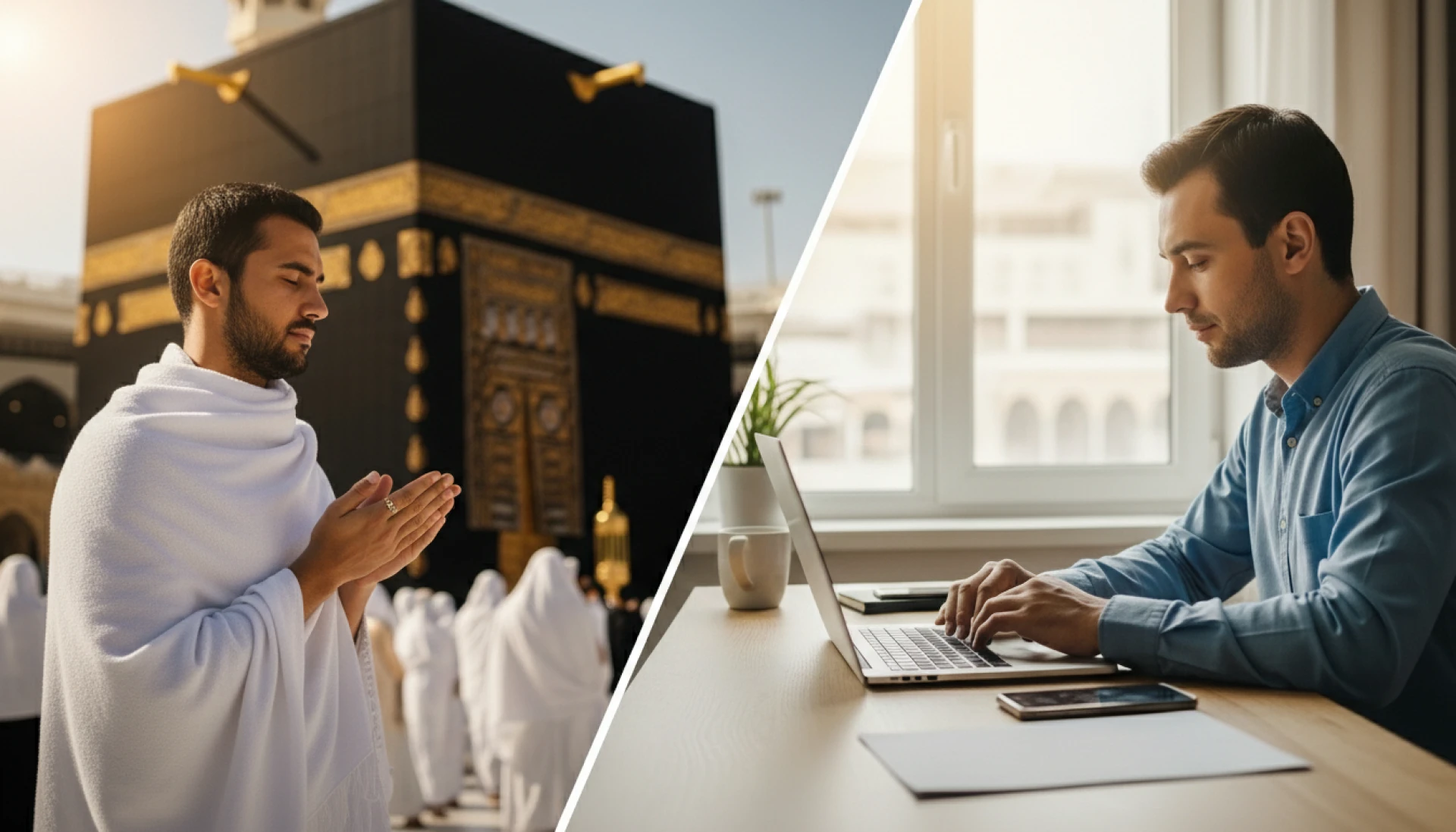
One of the first things pilgrims need to accept is that the intensity of emotion they felt in the Haram will not remain at the same level, and that is normal. The sanctity and the environment in Makkah and Madinah strip away distractions.
Your conversations are more about faith, your schedule revolves around salah, dhikr and Qur’an recitation. Your phone use reduces, and the spiritual atmosphere itself encourages worship.
When you return home, work resumes, responsibilities return, notifications start buzzing again, and social obligations reappear. Your spiritual state is no longer protected by sacred geography.
Instead of chasing the emotional high of Umrah, focus on preserving the habits that created it. Spiritual growth is not about maintaining intensity. It is about maintaining consistency.
Anchor Yourself to Salah First
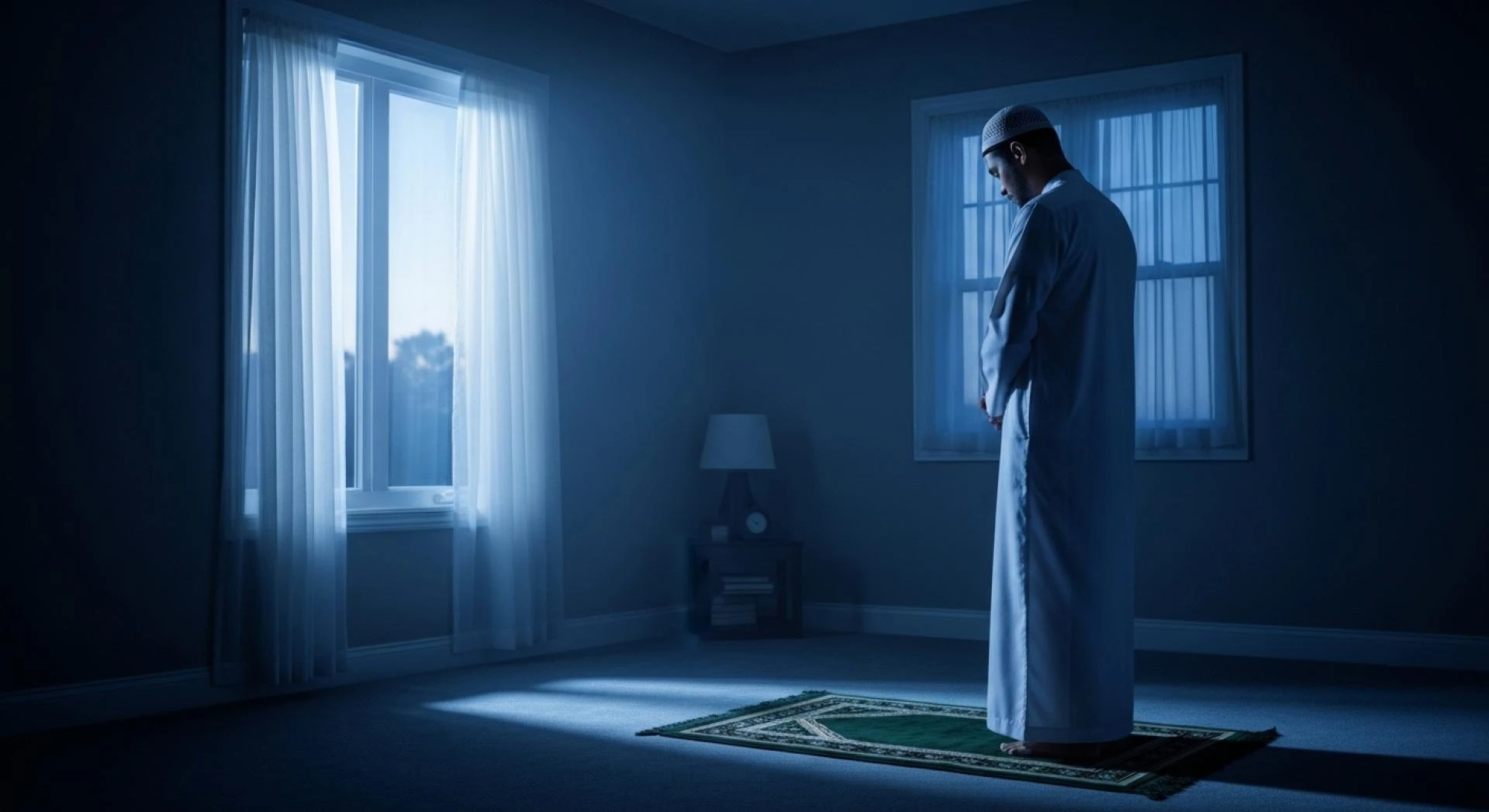
While performing Umrah, pilgrims' central focus is on salah, rituals and ibadah. They pray every fard salah in congregation, adding extra nafl prayers. Pilgrims also feel khushu’ in a way they hadn’t experienced before.
The most powerful way to preserve your spiritual state is to protect your five daily prayers at all costs.
- Pray on time.
- Pray with intention.
- Pray without rushing.
Even if nothing else remains from your Umrah routine, guard your salah.
The Prophet Muhammad ﷺ taught us that the first matter to be judged on the Day of Resurrection is prayer. When you prioritise it, your spiritual alignment remains intact.
Keep a Daily Portion of Qur’an
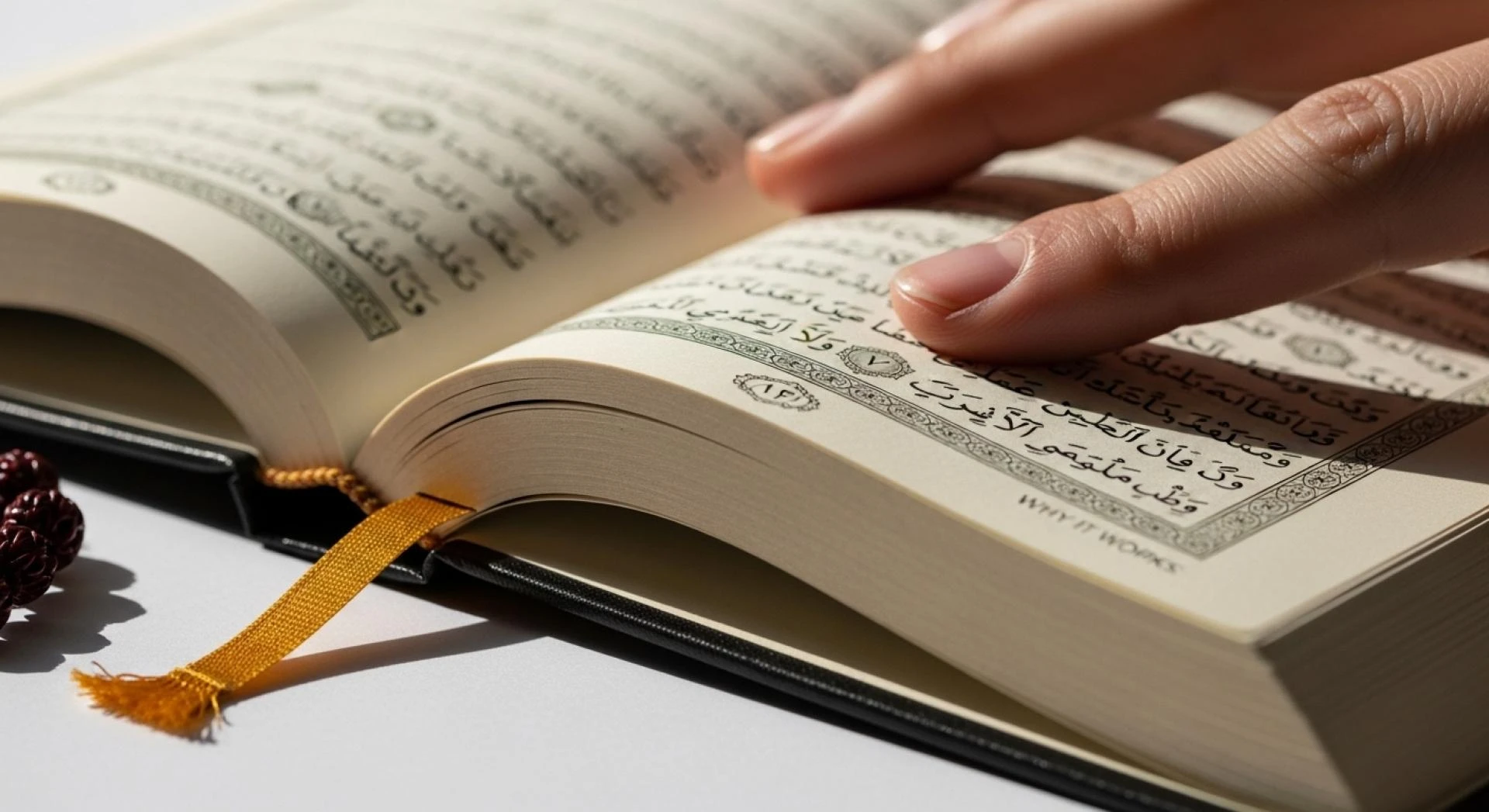
When you are in the sacred Masjid al-Haram, you recite more Qur’an than usual and the divine environment also naturally invites it. Back home, the key is not volume; it is continuity that every Muslim should follow.
Set a realistic target. Even one page daily. Even ten minutes after Fajr. Even half a juz per week. The Qur’an was not revealed only for sacred cities. It was revealed for your daily life.
When you continue reading consistently, you keep the light of Umrah alive in your home.
Protect Your Tongue and Character
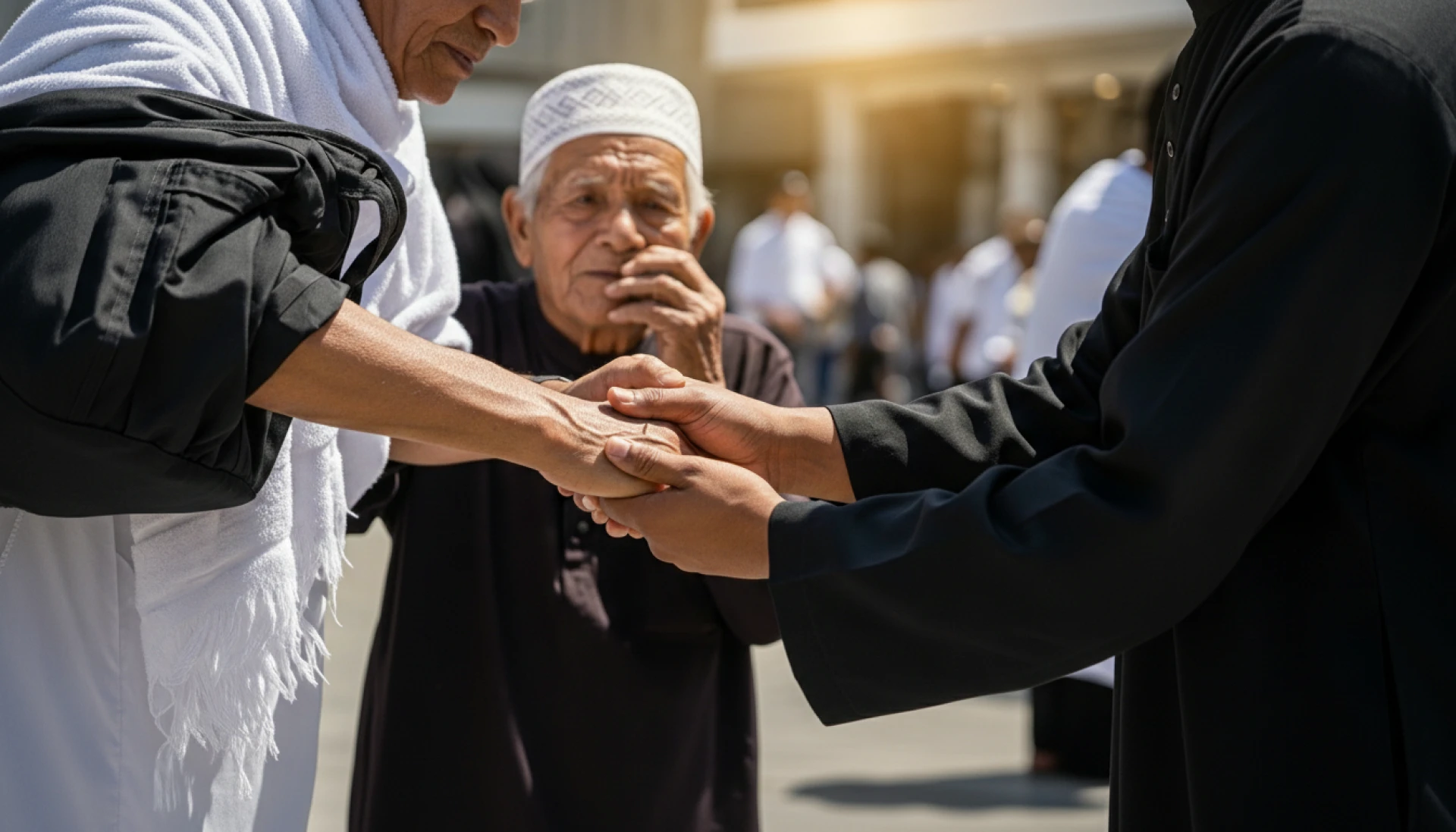
One of the quiet transformations during Umrah is behavioural. You learn to embrace patience while tackling with huge crowds, you become more forgiving, more careful with speech and more conscious of representing Islam well.
Do not let that refinement disappear.
- If Umrah softened your tone, keep it soft.
- If Umrah made you more generous, remain generous.
- If Umrah helped you control anger, continue that effort.
True acceptance of Umrah is not measured by tears in Tawaf. It is measured by transformation after returning.
Maintain a Connection With Dhikr
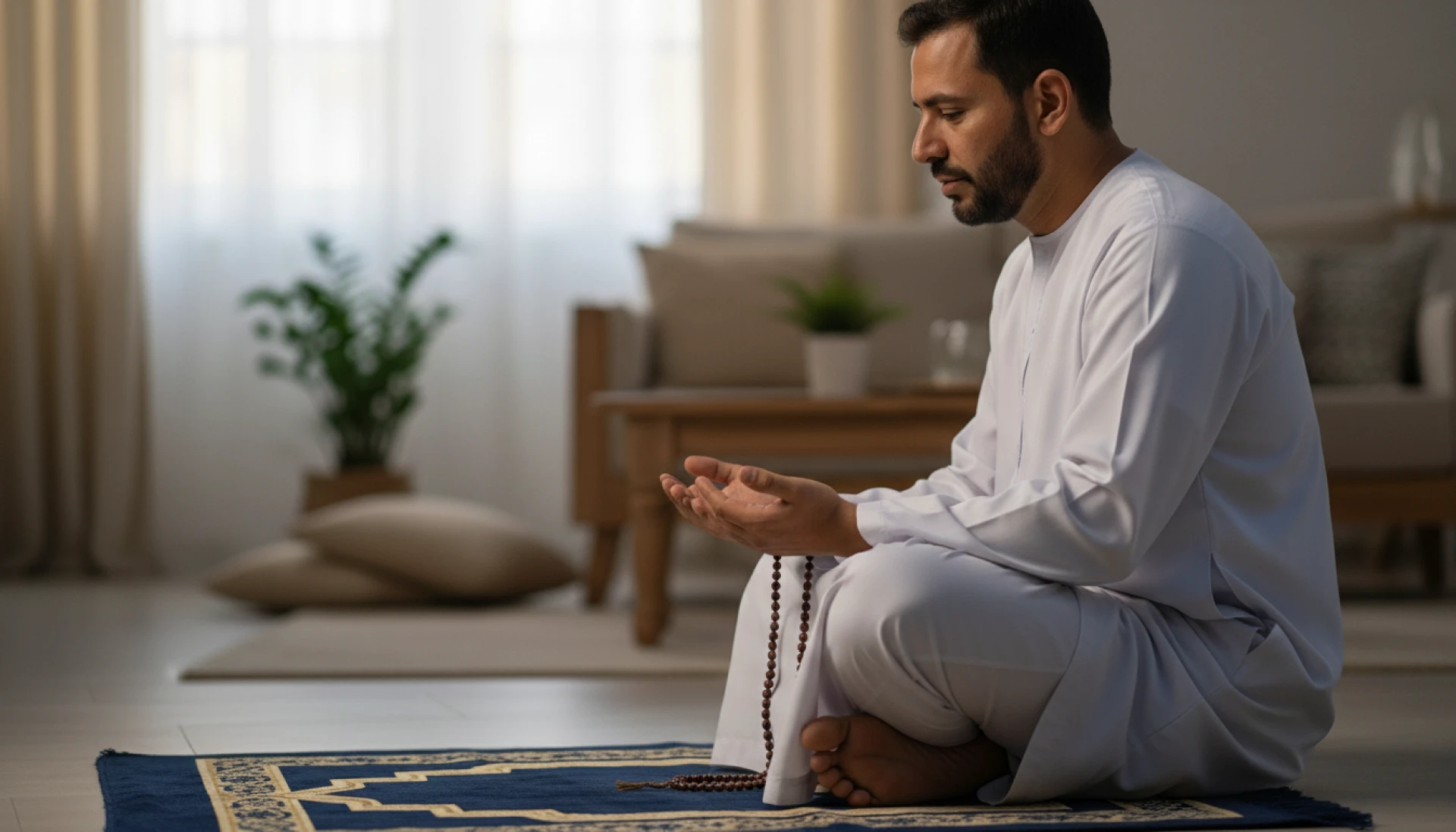
While performing Umrah, pilgrims keep their tongue moist with remembrance of Allah (SWT). They recite tasbeeh, talbiyah, whisper du’a and send salawat upon the Prophet Muhammad (PBUH).
After returning from the Umrah journey, Muslims should replace empty scrolling with dhikr and quiet remembrance.
- Say SubhanAllah while walking.
- Say Alhamdulillah before sleep.
- Say Astaghfirullah during moments of frustration.
Dhikr stabilises the heart. It keeps your internal state aligned even when the external world becomes noisy again.
Surround Yourself With The Right Environment

One major reason Muslims feel spiritually uplifted during Umrah is that everyone in the Haram is deeply focused on ibadah. Environment matters.
Back home, Muslims should intentionally build a micro-environment that supports faith:
- Attend weekly halaqahs.
- Pray in the masjid regularly.
- Stay connected to practising friends.
- Listen to beneficial reminders during your commute.
Spirituality does not survive in isolation. It thrives in community.
Reflect On What Changed Inside
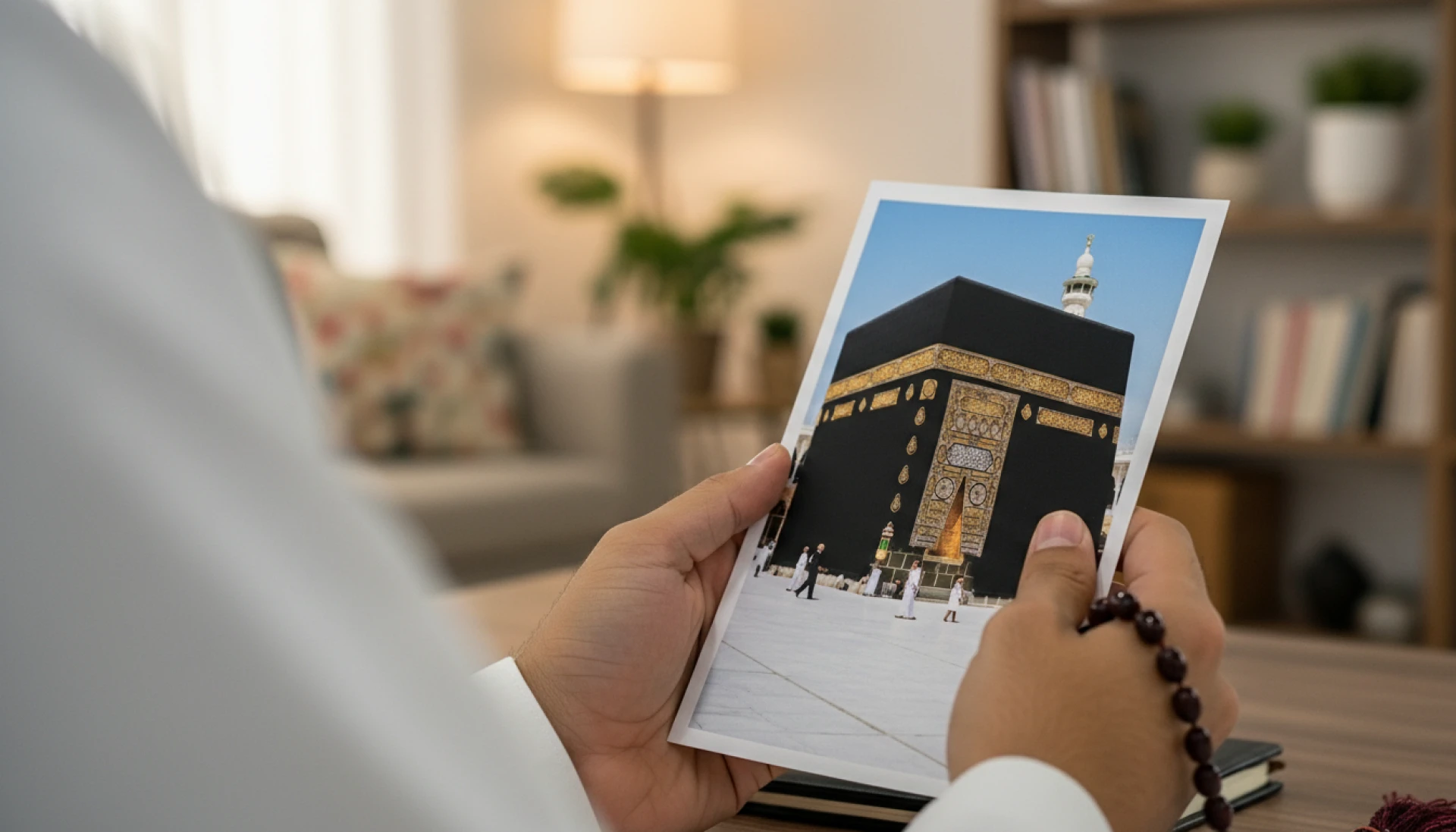
After performing the voluntary pilgrimage, Umrah, and returning home, pilgrims should take time to ask:
- What did Umrah teach me about myself?
- Did you learn to embrace patience?
- Did you realise how much distracted you usually are?
- Did you feel how dependent you are on Allah (SWT)?
- Did you recognise how small the dunya truly is?
Write these reflections down. When you feel your spiritual state weakening months later, revisit those notes. Remind yourself who you were standing before the Ka‘bah.
Acceptance is the Ultimate Goal
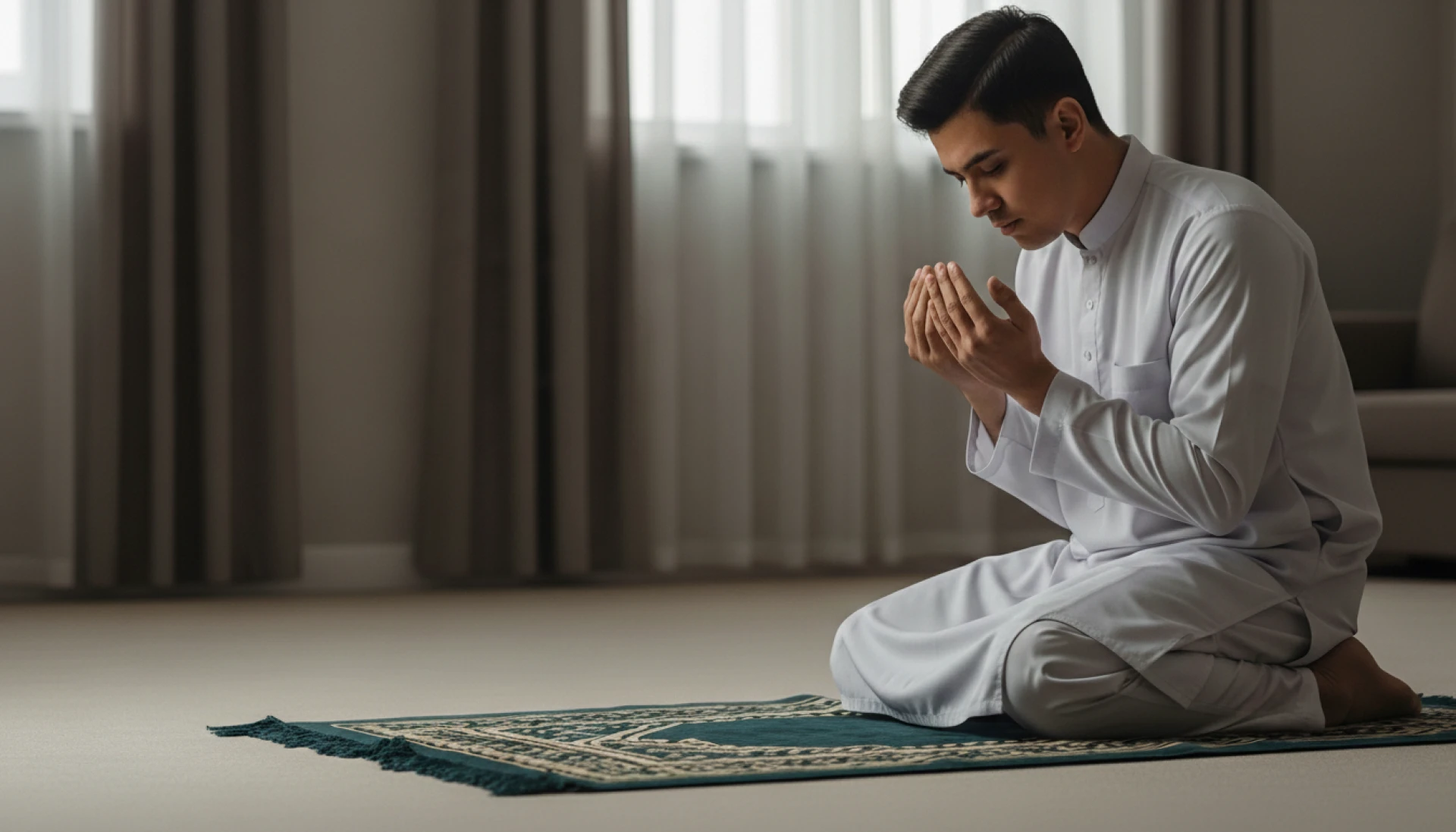
The most important question after Umrah is not: “How emotional was my experience?”, it is “Is My Umrah accepted?”
And acceptance is often reflected in change. If you pray more consistently, speak more gently, sin less and remember Allah (SWT) more frequently. Then that is a hopeful sign.
You may not feel the same intensity as you did in Makkah, but if your direction has shifted closer to Allah, your Umrah continues to live within you.
Final Wordings: Umrah is a Beginning, Not a Peak
Many Muslims treat Umrah as a spiritual peak, a mountaintop experience. But in reality, it is a recalibration.
- You were shown what your heart is capable of.
- You were shown how focused you can be.
- You were shown how light your soul can feel when distractions fade.
Now the task is to carry that clarity into ordinary life.
You may not stand before the Ka‘bah every day.
But you can stand before Allah five times daily.
And that consistency, more than emotion, is what preserves your spiritual state long after you return home.