If you’re planning to send your old, unwanted, or damaged vehicle to a wrecking yard, you are already making a good decision. One of the most practical and simple ways to dispose of a vehicle beyond any roadworthy repairs is car wrecking Brisbane. However, before you wait for the tow truck to arrive, there are a number of steps you will need to complete to prepare the vehicle.
There are a number of reasons why preparing your vehicle for wrecking more than ensures a smooth process, including the protection of personal information, the avoiding of delays and the resolution of any potential problems. Here is everything you need to know on preparing your vehicle for car wrecking in Brisbane.
Remove All Personal Belongings
Many people forget to complete a personal belongings removal before the vehicle wrecking occurs. During the life of a vehicle, the car will become a temporary storage area for many people.
You should look in the:
- Center Console
- Door Pockets
- Under the Seats
- The Trunk
- The Sunglasses Holder
- The Seat Pockets
You will need to check for personal valuables. It is important to locate insurance documents and registered papers.
After a car has been taken to a wrecking yard, it can be hard or even impossible to retrieve any left items. Taking a few minutes to look through the car again can save you a lot of regret later.
Remove the License Plates
In many situations, you will still be held responsible for the license plates until they have been officially returned or transferred. This is why, prior to your vehicle being towed, you should take the plates.
Depending on the rules in your area, it may be necessary to submit the plates to the transport authority when you cancel your registration. This will also protect you from any misuse of the plates.
Keep the screws in a safe place in case you need them for another vehicle.
Cancel Registration and Insurance
Once the car is sold for wrecking, you should cancel your car’s registration. If you have cancelled your registration before the end of the registration period, you may be entitled to a partial refund.
You should also cancel your insurance on the car. If you continue to pay insurance on a vehicle that no longer belongs to you, you will only be wasting money.
Completing these administrative tasks will help you avoid future charges and liability concerns.
Gather Important Documents
Prior to the arrival of the wrecking company, ensure that you have completed all required documentation. Documentation required typically includes:
- Proof of ownership
- ID
- Registration (if applicable)
When paperwork is ready, it minimizes the chances of time-consuming last-minute changes, and provides a smooth transfer of ownership.
When in doubt, it never hurts to check what documentation is required.
Remove Valuable Aftermarket Accessories
If you have accessories that are still functional and that you have added to the vehicle, you may want to consider removing them before the vehicle is sold to a wrecker.
Some of the accessories that can be removed include:
- Sound systems
- GPS
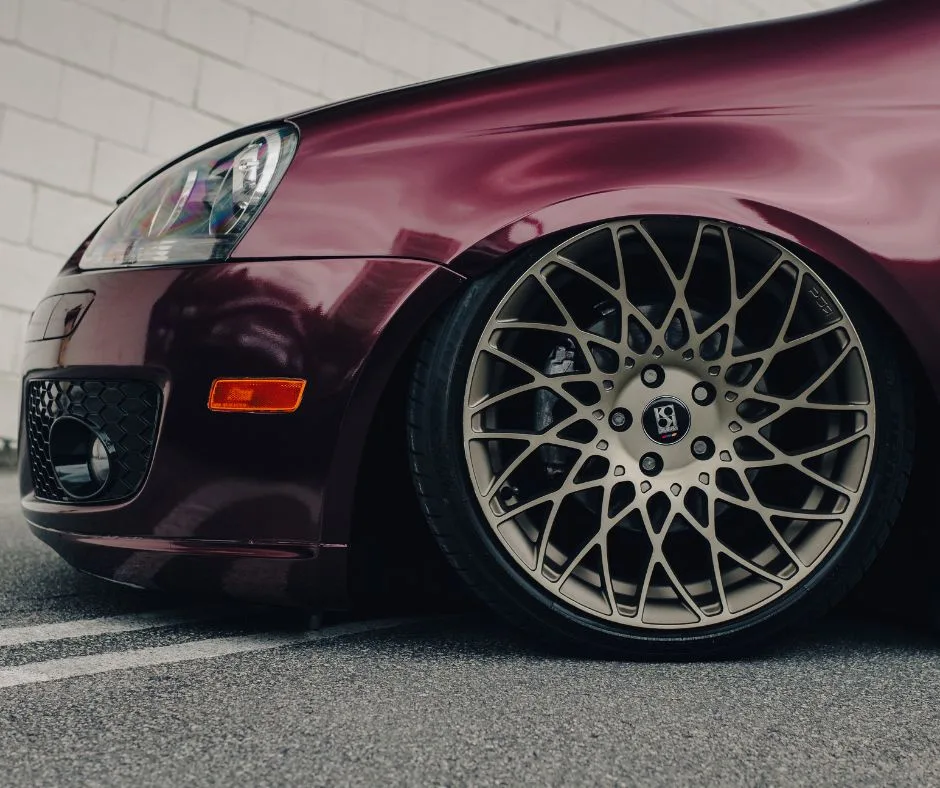
- Custom wheels/rims
- Seat covers
- Roof racks
- Dash cams
While there may be wreckers that will incorporate these additional items in making the offer, you may be better off selling some of the accessories on your own. Just ensure that the removal of the accessories will not cause damage to the vehicle.
Clear Out Fuel (If Required)
Generally, wreckers will take care of all fluid drainage in the process of recycling the vehicle, but if the fuel tank is full, you may want to use some of the fuel before the vehicle is picked up.
This step is situation based and is completely up to your discretion. If you choose to remove any fuel from the vehicle, follow the appropriate safety protocol and do not do anything that poses a safety hazard.
Professional wreckers are trained and equipped to deal with fluids such as fuel, oil, and coolant.
Remove or Delete Personal Data
Most modern vehicles, including the one you are getting rid of, contain your private and personal data in their various infotainment systems. If your vehicle has Bluetooth as a functioning feature, has a history of navigation, or holds a list of your contacts, you should remove and delete as much personal data as you can.
Deleting your personal data should be combined with a factory reset of the unit to best protect your data from the vehicle and to ensure no private or personal data is accessible after the vehicle is wrecked.
Take Photos of the Vehicle
Once you have taken your vehicle to the salvage yard, you will have no further access to the vehicle and should ensure that you have taken enough photographs to remember the condition of the vehicle. Be sure to cover all aspects of the vehicle's condition in the photographs. This will include from as many angles as you can manage of the:
- Outside
- All four sides
- Inside
- All dashboards, instruments and the Odometer
Testimonials are helpful and most reputable car wreckers will operate professionally, but having the documents in your possession will further reinforce your peace of mind.
Confirm the Agreed Price and Pickup Details
Before the vehicle is scheduled for removal, you should check and confirm:
- The amount of the agreed payment
- Payment method (cash or transfer)
- Pickup time and place
- Any requirements for documentation
A clear exchange of information on these elements will better prepare you for the event and the collection of the vehicle will occur as planned and without any delays.
Ensure Easy Access for Towing
To show to the wrecker company that you are promoting and facilitating wrecker company operations, they will provide you with a courtesy tip. Clearance must be provided for the towing company to operate in a safe workshop environment. This can include a mobile disabled car, street, and a removable garage in the location.
Without the clearance, the towing company will not operate. If the car is positioned in a place where access is restricted for the towing company, notify the towing company.
Understand the Wrecking Process
Letting your mind wander and thinking of what to expect can make the whole process seem daunting. Every car in the wrecking yard will undergo the same process.
- Inspection
- Assessment
- Removal
- Dismantling
- Recycling of the metals
- Reusable parts are sold to resellers
- Recyclable materials are disposed of
This process of recycling is less harmful, as it minimizes the impact on landfills.
Final Thoughts
In the case of wrecking a car in Brisbane, the least amount of effort is required to make the wrecking process as painless as possible. Personal belongings, registration and insurance are to be cancelled as a matter of priority to keep your personal information safe. This should be a straightforward process.
When old, damaged, or non-running vehicles need to be disposed of, one of the best methods to consider is car wrecking. With the right preparation, the entire wrecking process can be completed quickly, easily, and with payment received. Plus, the car wrecking services will help clear out your space instantly.
These steps will help to protect your interests, and help make your car wrecking service seamless.