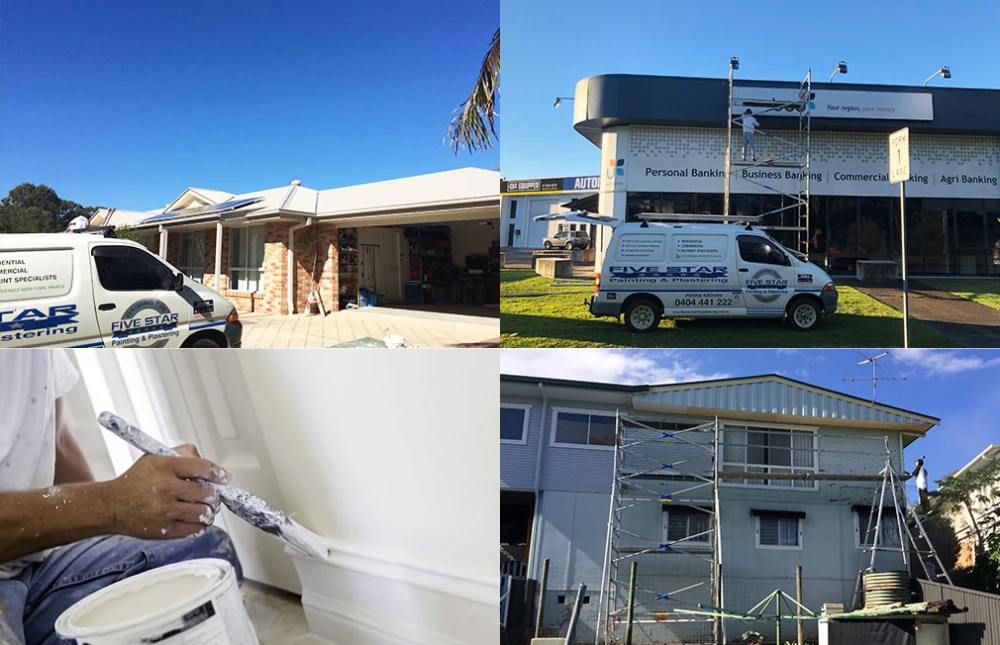
Properties located in the coastal regions, like Tweed Heads, take a serious beating from nature. Salt-laden air, moisture, harsh ultraviolet rays and sudden rainfall – all chew through the exterior paint of homes faster than homeowners' expectations. A home that looks new and sharp today will start showing faded walls, peeled trim, and chalky surfaces in just a couple of years. Paint maintenance plays a major role in extending its life, but natural conditions are really harsh and often maintenance emerges as insufficient.
In this situation, residential painters in Tweed Heads become a necessity, and while selecting them, homeowners must review their expertise, specialisation and past experience. Despite this, the quality of the final result does not depend on the paint's quality or its specialisation. Preparation of the property plays a much bigger role because when the surface is properly cleaned, repaired and protected, the paint lasts longer and looks better. We have developed a detailed checklist that homeowners and residential painters must follow before starting any exterior painting project. Following these steps seriously and on time can avoid delays, unexpected costs and patchy finishes.
● Paint adheres better to clean surfaces
● Repairs stop damage from spreading under new paint
● Proper sealing prevents moisture penetration
● Smooth surfaces produce a consistent finish
WHY IS PREPARATION AS IMPORTANT AS THE SPECIALISATION OF HOME PAINTERS?
Most exterior painting projects fail not because home painters lack expertise or because the paint is compromised. Preparation is a major culprit in these situations, and the fact is that even the most premium paints and the most expert residential painter services will struggle in situations like dusty walls, damp timber, and flaky surfaces. Home painters must follow a strict preparation routine during residential painting services and include the following steps.
According to the AUSTRALIAN PAINT APPROVAL SCHEME (APAS), surface preparation performed well means half of the battle is won in residential painters services. This preparation will help the paint coat withstand harsh environments, and you will not need to repaint sooner than expected.
STEP 1
INSPECTING THE SURFACE CAREFULLY
A detailed inspection by selected residential painters in Tweed Heads will save major headaches later, and it must include walking around the entire property and closely inspecting every wall. The painters should also look at the nooks and corners, trims and check for the following.
● Peeling or blistered paint
● Cracks in render or plaster
● Timber rot
● Water stains near gutters
● Mould or mildew patches
● Rust around metal fixtures
This is important because small issues can develop and remain unnoticed for a long time. They grow only when exposed to weather conditions; therefore, professional home painters must inspect for hidden damage during the inspection and repair it before they begin the painting session.
STEP 2
PRESSURE WASHING THE EXTERIORS
Removing dirt, chalky paint residue, and salt deposited on the walls is important for the paint to bond properly to the surface. A pressure washer is the right solution in these situations to remove the following.
● Dust and pollution build-up
● Mould spores
● Old chalking paint
● Salt residue is common along the Tweed Coast
DIY is possible in this situation, and if you are going for it, remember to work from the top of the walls down while controlling the pressure at all times. You can lower the pressure around timber areas to prevent damage, and once done, you should leave the area to dry thoroughly. Depending on weather conditions, this drying can take up to 3 days.
STEP 3
SCRAPING AND SANDING THE OLD PAINT
Loose paint must be removed before home painters start painting the area. Painting over flaking surfaces is just a formality, as the problem will remain trapped beneath the paint. While removing the paint, home painters must focus on the following –
● Window trims
● Eaves
● Timber weatherboards
● Fascia boards
For this, home painters should use paint scrapers and combined efforts of hand sanding as well as sanding with orbital sanders to maintain the evenness of the surface.
REPAIRING CRACKS, HOLES AND SURFACE DAMAGES
Paint alone will never hide the structural flaws in the walls, such as small holes, cracks, etc. Even with the highest-grade paint, the flaws will remain visible beneath the fresh paint. An important part of residential painters' services is to use exterior fillers designed for the Australian climate to accommodate cracks, holes and seasonal expansion and contraction. Typical repair work performed for these things is listed below.
● Filling render cracks
● Replacing damaged timber
● Sealing gaps around windows
● Repairing chipped plaster or masonry
STEP 5
PROTECTING WINDOWS, LANDSCAPING, AND OUTDOOR AREAS
Preparation also means ensuring protection for areas that don't require painting, and this is where the experience of home painters becomes clearly visible. They start the work only when the protection is fully applied. It reduces clean-up time and avoids accidental overspraying. Before beginning the painting process, these experts should –
● Cover windows with masking film
● Protect outdoor furniture
● Move pot plants away from walls
● Lay drop sheets over decks or paving
● Mask light fittings and switches
STEP 6
PRIMING BARE SURFACES PROPERLY
Priming plays a critical role in the durability of the exterior paint applied to the walls. Bare timber, patched areas and new render need sealing before painting, and for this, experts use specialised primers formulated for coastal properties to slow down the deterioration caused by salt exposure and UV rays. Using a correct primer ensures better results and reduces the required number of top coats. According to the experts of residential painters services, primer helps by –
● Blocking stains
● Improving paint adhesion
● Creating an even base colour
● Preventing moisture absorption
STEPS 7
CHECKING WEATHER CONDITIONS BEFORE PAINTING
Painting in the wrong weather conditions will create problems immediately after the painting. Home painters specialising in residential painters services must understand that exterior painting works best when the temperature is between 10 and 30 degrees Celsius, and the humidity level is moderate. The problem with Tweed Heads is that the weather changes quickly during the summer. Residential painters in Tweed Heads must have a complete idea of the weather forecast to avoid failed attempts or compromised finishes.
STEP 8
CONFIRMING PAINT SELECTION
Paint quality has a direct impact on longevity, and Australian conditions require even more careful selection. The coating should resist UV damage and moisture, and this is why residential painters in Tweed Heads focus on high-quality acrylic exterior paints. The Master Painter Australia, an industry body, recommends using paints specially formulated for Australian conditions and having an extended coating life. While selecting the exterior paint, expert home painters must focus on the following features.
● UV resistance
● Salt-air protection
● Mould resistance
● Washability
STEP 9
FINAL WALKTHROUGH
A pre-painting inspection is recommended to ensure that everything is prepared and the structure is now ready to paint. This final inspection prevents interruptions and compromises once the painting process starts. Professional residential painters in Tweed Heads must perform this step along with the homeowner before the project, and check for the following.
● Repairs have cured properly
● Surfaces are fully dry
● Masking remains secure
● All exterior areas are accessible
Here are some Frequently Asked Questions related to preparation before any exterior painting project.
HOW LONG SHOULD EXTERIOR PAINT LAST IN AUSTRALIA?
● Most quality exterior paint lasts 7–10 years.
● Coastal environments like Tweed Heads may shorten that lifespan due to salt air and strong UV exposure.
DO I NEED TO PRESSURE WASH BEFORE PAINTING A HOUSE?
● Pressure washing removes dirt, mould, and chalky paint residue.
● Without cleaning, new paint struggles to bond properly.
HOW LONG SHOULD WALLS DRY AFTER WASHING?
● Walls usually need 24–72 hours to dry, depending on humidity and weather conditions.
CAN I PAINT OVER PEELING PAINT?
● Peeling paint must be scraped and sanded back before applying primer and new coats.
WHAT TIME OF YEAR IS BEST FOR EXTERIOR PAINTING IN NSW?
● Autumn and spring generally offer the most stable weather conditions for exterior painting across northern NSW.
CONCLUSION
Exterior painting delivers better results when preparation is prioritised, and it involves inspection, cleaning, repairs and priming the surface. Homeowners and residential painters in Tweed Heads should collaborate to carry out these actions and ensure that common issues that emerge after painting, such as peeling, uneven finish, and premature painting are completely eradicated.