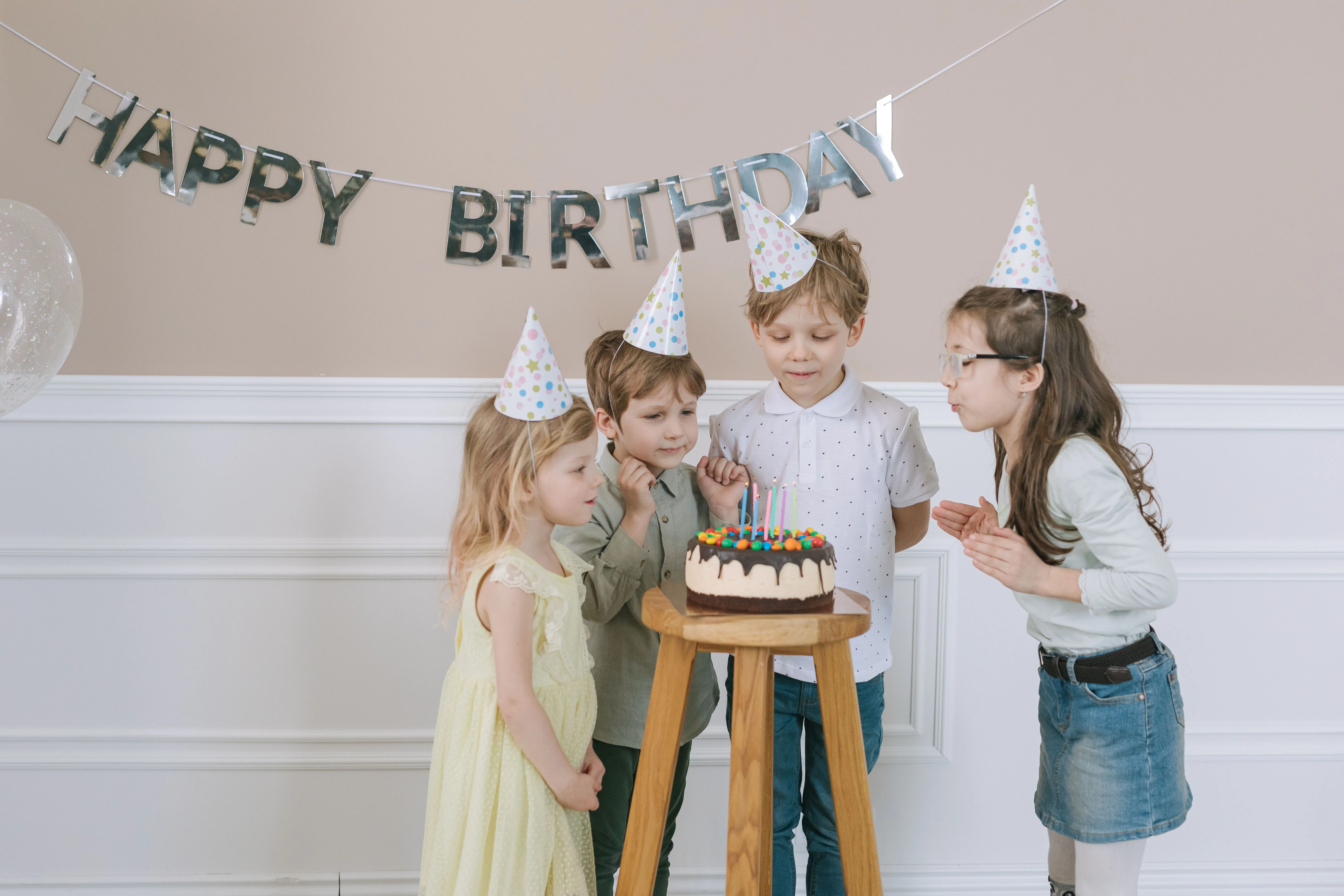
Planning a child's birthday party can be both exciting and challenging for parents. Every family wants to create a memorable celebration that reflects their child's interests while ensuring guests have a wonderful time. From choosing a theme and venue to organizing activities and refreshments, there are many details to consider. Fortunately, with thoughtful preparation and a clear plan, you can host a birthday party that feels special without becoming overwhelming.
Whether you are planning a small gathering with close friends or a larger celebration with family and classmates, focusing on the essentials can make the process more enjoyable and successful. By taking a structured approach, you can create an event that leaves lasting memories for everyone involved.
Choose a Theme That Matches Your Child's Interests
One of the first steps in planning a successful birthday party is selecting a theme. A well-chosen theme can guide many of your decisions, including decorations, invitations, games, and even food choices.
Start by considering your child's current interests. They may enjoy superheroes, animals, sports, science, princesses, outer space, or favorite storybook characters. Involving your child in the decision-making process can help them feel more excited about the event and ensure the celebration reflects their personality.
Once a theme is selected, keep the design cohesive without feeling pressured to make every detail match perfectly. Simple decorations, coordinated colors, and themed activities are often enough to create a fun atmosphere. A thoughtful theme helps guests immediately connect with the celebration and adds an extra layer of excitement throughout the party.
Set a Budget and Create a Planning Timeline
A successful birthday party does not have to be expensive. Establishing a budget early helps you make informed decisions and avoid unnecessary spending as the event approaches.
Start by identifying major expenses such as the venue, food, decorations, entertainment, party favors, and cake. Decide which elements matter most to your family and allocate resources accordingly. Some parents may prioritize entertainment, while others may focus on food or decorations.
Creating a planning timeline can also reduce stress. Send invitations several weeks in advance, purchase supplies early, and confirm any bookings before the event date. A timeline allows you to spread tasks over several weeks rather than rushing to complete everything at the last minute. Careful planning helps ensure nothing important is overlooked and allows you to enjoy the celebration alongside your child.
Plan Fun Activities for Different Age Groups
Activities are often the highlight of a children's birthday party. Well-planned games and entertainment keep guests engaged and help maintain a positive atmosphere throughout the event.
When selecting activities, consider the ages and interests of the children attending. Younger children may enjoy simple games such as treasure hunts, musical activities, crafts, or bubble play. Older children may prefer obstacle courses, team challenges, scavenger hunts, or themed competitions.
It is also helpful to schedule a mix of structured and free-play activities. Too much structure can leave children feeling restricted, while too little can result in boredom. A balanced approach keeps energy levels high while allowing kids to socialize and have fun naturally.
When planning outdoor events, remember to account for weather conditions. If refreshments need to stay cool during warm temperatures, having coolers and ice bags available can help ensure drinks and snacks remain fresh throughout the celebration.
Organize Food and Refreshments Thoughtfully
Food is an important part of any birthday party, but it does not need to be elaborate to be enjoyable. Focus on serving options that are easy to eat, appealing to children, and convenient for parents.
Finger foods are often ideal because they minimize mess and allow children to return quickly to activities. Popular choices may include sandwiches, fruit trays, vegetables with dip, cheese and crackers, mini pizzas, or simple snack stations. If allergies are a concern, communicate with parents ahead of time and provide options that accommodate dietary restrictions.
The birthday cake is often the centerpiece of the party meal. Whether you choose a bakery creation or a homemade dessert, selecting a cake that complements the party theme can add excitement to the celebration. Keeping food service organized and simple allows you to focus more on creating meaningful experiences with guests.
Prepare for the Unexpected
Even the most carefully planned party may encounter unexpected challenges. Weather changes, late arrivals, minor schedule shifts, and last-minute adjustments are all common occurrences during children's events.
Having backup plans can make a significant difference. For outdoor parties, consider an indoor alternative in case of rain. Keep extra supplies on hand, including napkins, utensils, decorations, and simple activities that can fill unexpected downtime.
Most importantly, maintain a flexible attitude throughout the day. Children often remember how much fun they had rather than whether every detail went according to plan. A positive, relaxed approach helps create an enjoyable environment for everyone and allows the celebration to unfold naturally.
Conclusion
Planning your child's birthday party involves thoughtful preparation, creativity, and organization. By choosing a meaningful theme, establishing a realistic budget, organizing engaging activities, serving enjoyable refreshments, and preparing for unexpected situations, you can create a memorable experience that your child and guests will cherish. With the right balance of planning and flexibility, the celebration can become a joyful occasion that brings family and friends together while making your child feel truly special on their big day.