Building an eco friendly house doesn’t have to be a luxury reserved for those with deep pockets. With thoughtful planning, creative design, and smart material choices, anyone can create a sustainable home that’s affordable, efficient, and kind to the planet. Whether you’re starting from scratch or upgrading an existing home, the key lies in balancing sustainability with practicality. Here’s how you can plan and build an eco friendly house on a budget without compromising on comfort or style.
1. Start with Smart Planning
Every successful eco friendly house begins with a well-thought-out plan. Before construction even starts, take time to understand your site, your needs, and your long-term goals. Think about the size of your home — do you really need that extra guest room, or can flexible spaces serve multiple purposes? Smaller homes naturally use fewer materials, require less energy to heat or cool, and are cheaper to build and maintain.
Consider the site orientation too. Positioning your home to maximise natural light and ventilation can significantly reduce your reliance on artificial lighting and air conditioning. In cooler regions, orienting living areas to face north can help capture more sunlight, while in warmer climates, strategic shading and cross-ventilation can keep your home naturally cool. Smart design at this stage can save you thousands in energy costs down the line.
2. Choose Sustainable Building Materials
When it comes to building materials, sustainability doesn’t always mean expensive. Recycled, reclaimed, and locally sourced materials often cost less than new, imported ones — and they come with a smaller carbon footprint. Look for recycled timber, reclaimed bricks, or even stone from local quarries. Bamboo, cork, and rammed earth are also fantastic eco-friendly options that add natural beauty and durability.
Additionally, consider materials that improve insulation. Proper insulation in your walls, floors, and roof can drastically reduce your home’s heating and cooling needs. This small upfront investment pays off quickly in reduced energy bills. Even recycled insulation materials, such as cellulose made from old newspapers, can be cost-effective and environmentally friendly.
3. Focus on Energy Efficiency
An eco friendly house isn’t just about what it’s made of — it’s about how it performs. Energy efficiency is the cornerstone of sustainable living, and it’s surprisingly affordable to achieve with a few simple strategies.
Start by investing in LED lighting, which uses up to 80% less energy than traditional bulbs. Install energy-efficient windows with double glazing to prevent heat loss and improve comfort year-round. If your budget allows, consider adding solar panels. While they require an initial investment, they can significantly lower your electricity bills over time and even generate income through feed-in tariffs in some areas.
You can also choose energy-efficient appliances with high star ratings. Though they may cost a bit more upfront, their long-term savings and reduced environmental impact make them a smart choice for any eco friendly house.
4. Water Conservation and Smart Plumbing
Water is one of our most precious resources, and conserving it is a vital part of sustainable living. Installing low-flow taps, dual-flush toilets, and water-efficient showerheads can greatly reduce water usage without compromising comfort.
Rainwater harvesting is another excellent way to save money and resources. Collect rainwater from your roof and store it in a tank for use in your garden, laundry, or even toilet systems. You can also design your landscape with drought-resistant native plants that require minimal watering, helping you maintain a lush outdoor space that’s both beautiful and sustainable.
Greywater systems, which recycle water from sinks and showers for garden use, are another affordable upgrade worth considering for your eco friendly house.
5. Incorporate Passive Design Elements
Passive design takes advantage of natural elements — sunlight, shade, and airflow — to maintain comfortable indoor temperatures without relying heavily on mechanical systems. It’s one of the most effective ways to build an eco friendly house on a budget.
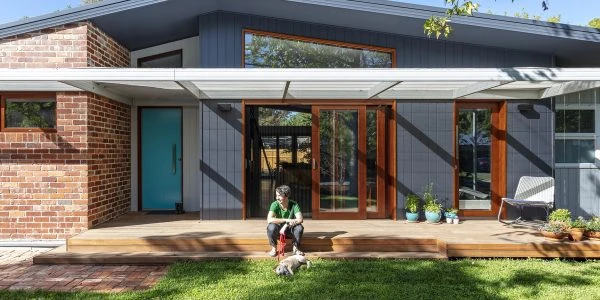
For instance, installing wide eaves or pergolas can shade your windows during summer while allowing winter sunlight to warm your interiors. Use natural ventilation techniques such as operable windows or vented skylights to promote air circulation. Thermal mass materials like concrete or brick can absorb and store heat during the day, releasing it at night to keep indoor temperatures stable.
By integrating passive design features early in the planning stage, you can reduce your home’s energy needs and increase comfort — without expensive technology or systems.
6. Use Recycled and Upcycled Décor
Building an eco friendly house doesn’t stop when the walls are up — it extends into how you furnish and decorate your space. Embrace the beauty of recycled, upcycled, and second-hand furniture. You can often find unique, character-filled pieces at vintage stores, salvage yards, or online marketplaces for a fraction of the cost of new items.
DIY projects are another great way to personalise your home while saving money. Repurpose old doors into tables, or use reclaimed wood for shelving and decorative accents. Not only does this approach reduce waste, but it also adds a sense of creativity and individuality to your living space.
7. Prioritise Long-Term Savings Over Short-Term Costs
When you’re building on a budget, it can be tempting to go for the cheapest options. However, the cheapest isn’t always the most economical in the long run. Spending a little more on quality insulation, efficient windows, or durable materials can save you significant amounts in energy and maintenance costs over the years.
Think of your eco friendly house as a long-term investment. Sustainable homes tend to have higher resale values, lower running costs, and better indoor air quality. They also provide a healthier living environment for you and your family.
8. Work with the Right Professionals
Finally, partnering with builders, architects, and designers who understand sustainable construction can make a big difference. They can guide you toward affordable, eco-friendly solutions and help you avoid costly mistakes. Ask potential builders about their experience with sustainable materials, energy-efficient systems, and passive design principles. A collaborative approach ensures your vision of an eco friendly house becomes a reality — within your budget.
Final Thoughts
Building an eco friendly house on a budget is entirely achievable with the right mindset and planning. By focusing on energy efficiency, smart design, and sustainable materials, you can create a home that’s comfortable, cost-effective, and environmentally responsible. Remember, going green isn’t about spending more — it’s about building smarter. Each eco-conscious choice you make contributes to a healthier planet and a better future for generations to come.