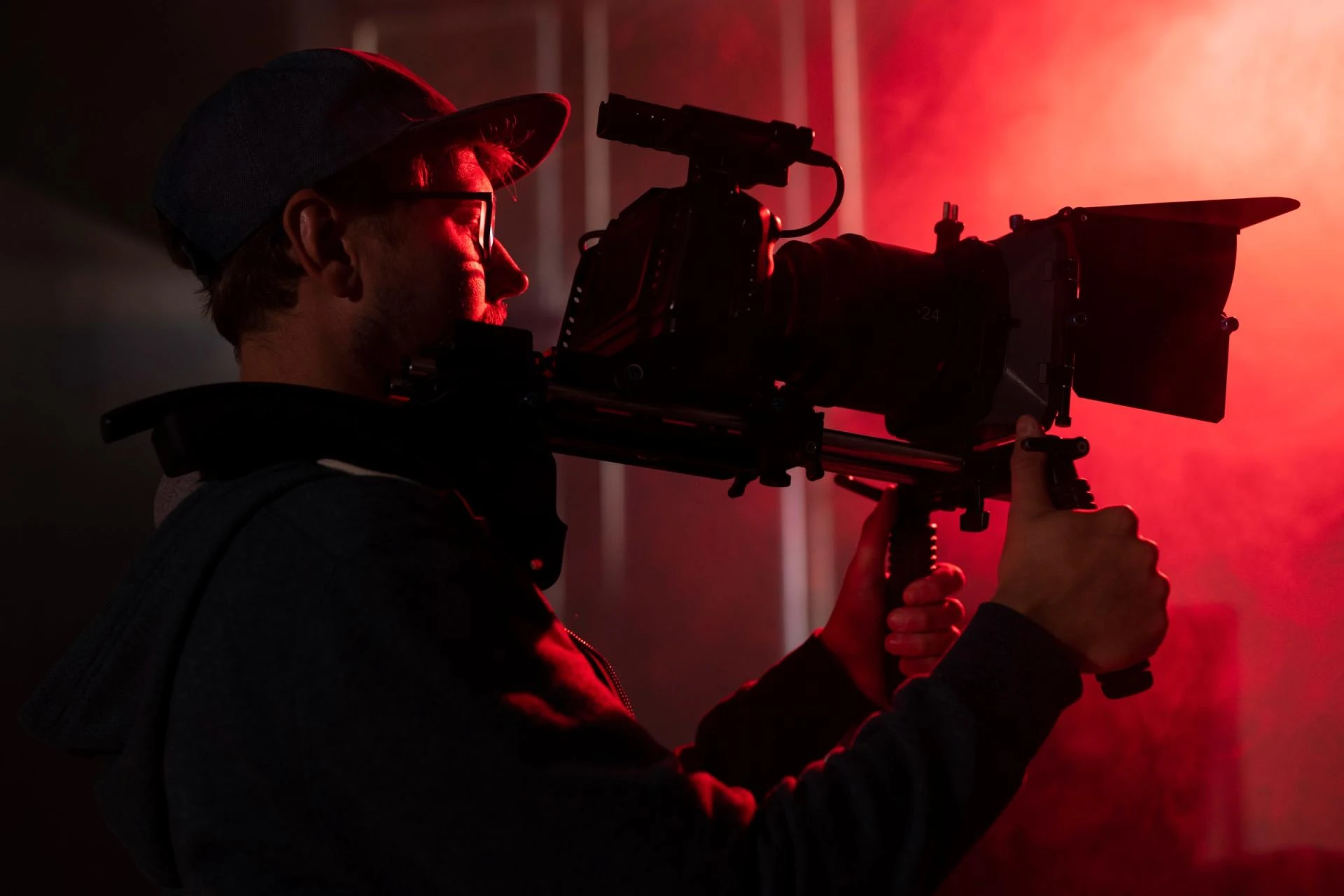
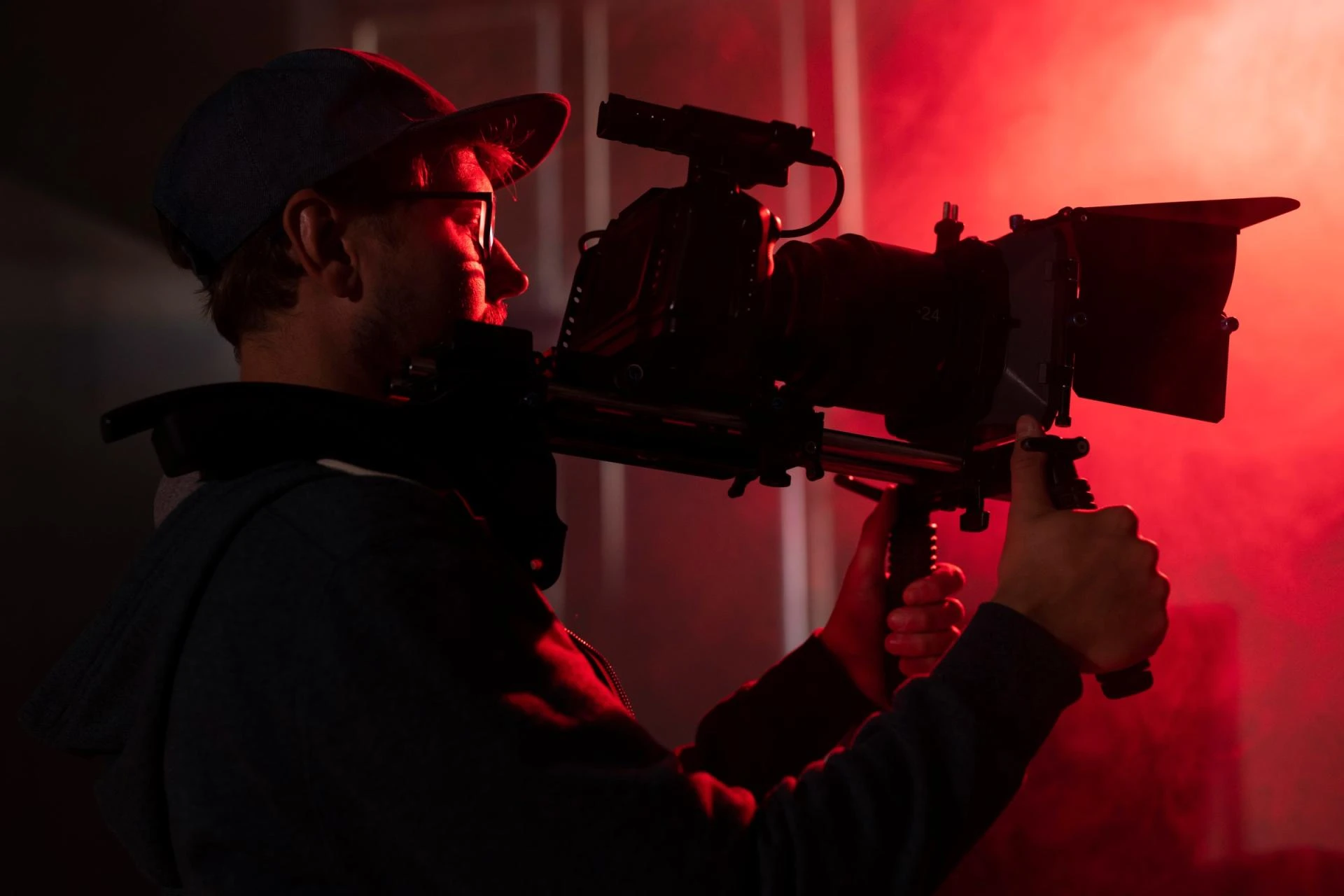
Behind every beautiful photograph or seamless video, there’s one thing most people don’t see the planning.
A professional shoot is more than setting up a camera and clicking a button. It’s a creative process that moves through stages of research, coordination, and precision. When done right, planning turns ideas into powerful visuals that tell a story.
Here’s a step-by-step look at how professionals bring a shoot to life from the first concept to the final frame.
1. Begin with a Clear Objective
Every successful shoot starts with clarity.
Before the camera is switched on, define what you’re shooting for and why. Is it a brand film that highlights company values, a lifestyle campaign that evokes emotion, or a corporate portrait that shows professionalism?
Knowing the purpose shapes everything the tone, lighting, colors, and even location. This stage also includes creating a mood board a visual reference that helps everyone involved share the same vision.
2. Develop a Creative Concept
Once the goal is defined, the next step is turning it into a concept.
This is where storytelling begins deciding the visual style, atmosphere, and mood. Will the shoot feel warm and cinematic, or bold and modern? Professionals use this stage to outline the visual direction and narrative that guide the entire production.
A strong concept acts as the foundation. Every shot taken later should reflect this creative intent.
3. Plan the Details The Pre-Production Phase
Pre-production is where ideas become logistics. It’s the most crucial phase and often what separates amateur shoots from professional ones.
This includes:
- Location scouting: Finding spaces that complement your story whether that’s a minimalist studio in Dubai or a natural landscape in Abu Dhabi.
- Scheduling: Setting realistic timelines for setup, shooting, and wrap-up.
- Equipment selection: Choosing the right cameras, lenses, and lighting for your concept.
- Permissions & permits: Especially important for public locations.
When every detail is mapped out, shoot day runs efficiently and creatively.
4. Assemble the Right Team
A successful production is always a team effort. Behind every frame are professionals who understand both the art and the science of visual creation.
Typically, the team includes:
- A creative director or producer who oversees the vision.
- A photographer or videographer who translates the concept visually.
- Lighting and technical crew who ensure every shot looks perfect.
- Stylists, makeup artists, and talent who complete the on-screen look.
Each member plays a specific role, but it’s the collaboration that elevates the quality of the final work.
5. Execute with Flexibility and Precision
On the day of the shoot, preparation meets reality.
Even with a perfect plan, real-world conditions often change lighting shifts, weather surprises, or unexpected challenges arise. Professional teams adapt quickly, finding creative solutions without losing focus on the goal.
Attention to detail, time management, and maintaining a calm, collaborative energy make all the difference.
6. Post-Production Where the Story Comes Together
After the cameras stop rolling, the creative process continues. Post-production refines the visuals, enhances emotion, and ensures consistency across every frame.
This stage involves:
- Color correction and grading to set the tone and atmosphere.
- Editing for rhythm, pacing, and clarity.
- Sound design in the case of videos to elevate the emotional impact.
The post-production phase is where professionalism truly shows turning raw visuals into a polished story that aligns with the brand’s identity.
7. Review, Reflect, and Deliver
Before delivering the final work, a professional team reviews every element from lighting balance to storyline flow. Feedback from the client is incorporated to make sure the project meets the original vision.
The final output is not just a set of visuals it’s a crafted piece of communication designed to engage and inspire.
Conclusion
Planning a professional shoot isn’t just about logistics it’s about vision, collaboration, and precision. From the first idea to the last edit, each phase plays a vital role in shaping the final result.
When creativity meets structure, the outcome is not just visually appealing it’s meaningful, memorable, and truly professional.