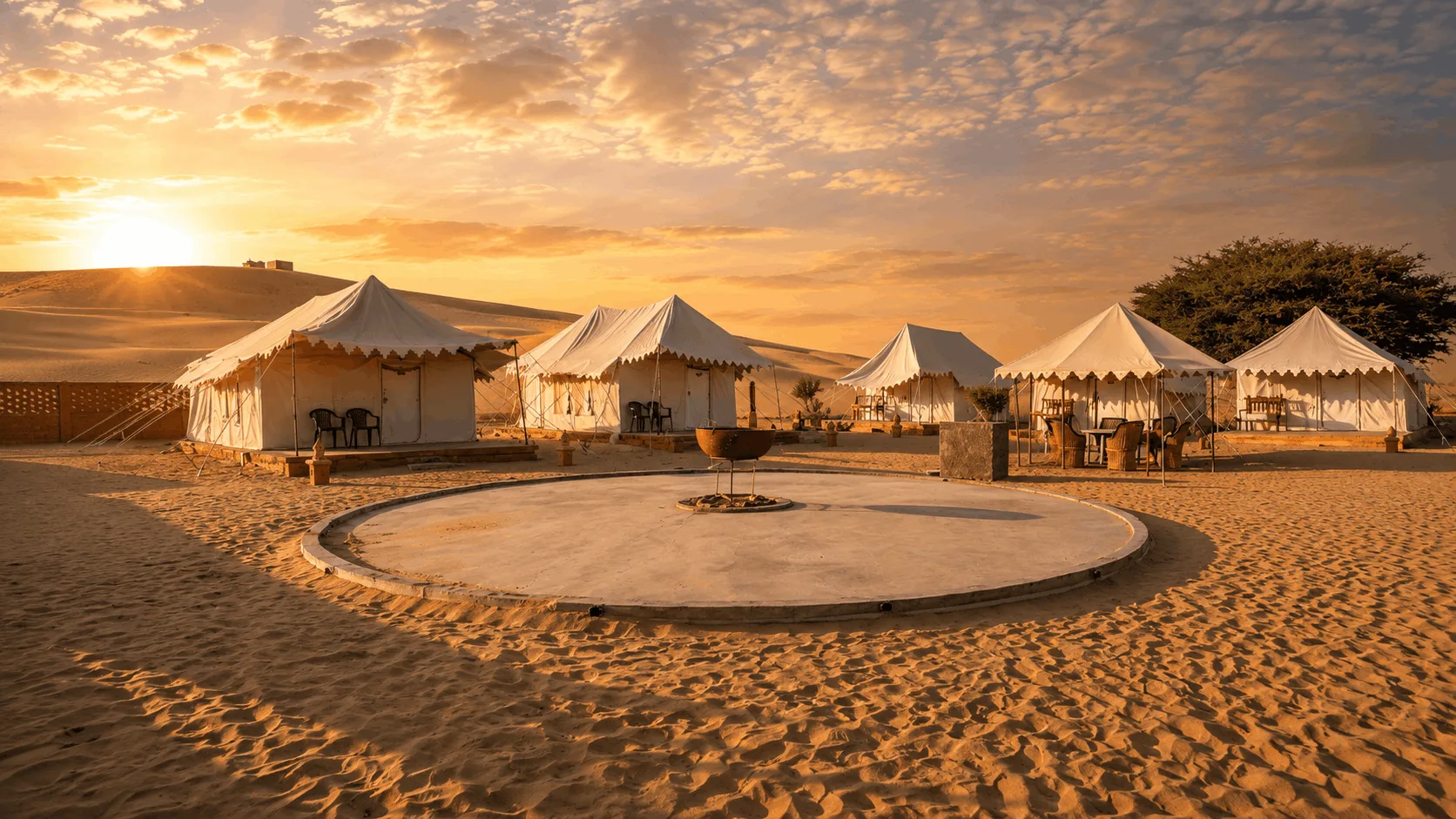
Jaisalmer is often planned as a checklist: visit the fort, explore the havelis, walk around Gadisar Lake, ride a camel, take a jeep safari, watch the sunset and attend a cultural programme. Although each experience deserves a place in the itinerary, trying to complete everything within a short period can turn a desert holiday into an exhausting journey.
The most memorable Jaisalmer trips balance exploration with rest. Travellers need time to appreciate the architecture, understand the desert landscape, enjoy local food and spend unhurried moments with the people accompanying them. The choice of accommodation plays an important role in creating this balance. A well-planned resort stay can provide comfort between sightseeing excursions while adding desert activities and cultural experiences to the holiday.
Begin With the Number of Available Days
The first planning decision should not be which places to visit but how much time is genuinely available. A one-night visit may introduce travellers to the city, but it leaves limited room for both sightseeing and desert experiences. Two nights allow a more complete itinerary, while three nights provide a better balance for families and travellers who prefer a slower pace.
Arrival and departure time must be considered honestly. A three-day trip does not contain three complete sightseeing days if guests arrive in the afternoon and leave early on the final morning. Travel fatigue should also be included, particularly for families arriving after a long train or road journey.
Instead of fitting every attraction into the schedule, visitors should identify their essential experiences and build the itinerary around them.
Separate City Sightseeing From Desert Experiences
Jaisalmer offers two connected but distinct experiences. The city introduces visitors to history, architecture, markets and community life. The desert presents open landscapes, changing light, adventure and traditional evening entertainment.
Trying to move continuously between the city and desert wastes time and energy. It is better to group city attractions into one organised sightseeing period and reserve another part of the itinerary for desert activities.
Jaisalmer Fort, Patwon Ki Haveli, Gadisar Lake and nearby markets can be combined according to travel time and visitor interest. Jeep safaris, camel rides, sunset viewing and cultural programmes should form another connected experience rather than being inserted between unrelated city visits.
Start Sightseeing Early
Walking through Jaisalmer Fort and historic streets is more enjoyable before the day becomes crowded or warm. Early sightseeing also provides better flexibility if visitors want to spend time understanding the architecture instead of moving rapidly from one location to another.
Travellers should wear comfortable footwear and carry water, sun protection and only essential belongings. Heritage areas contain narrow passages, steps and uneven surfaces, so a slower pace may be necessary for children and elderly visitors.
After completing the main morning attractions, returning to the resort for lunch and rest can be more comfortable than continuing outdoors throughout the afternoon.
Keep the Afternoon Intentionally Light
The middle of the day should not automatically become another sightseeing window. It can be used for lunch, relaxation, conversation or preparation for the evening safari.
This break becomes especially important when guests have travelled with children or elderly parents. Young children may need sleep, while senior travellers may appreciate time away from continuous walking. Couples can also use the afternoon to enjoy the accommodation instead of treating the room only as a place to sleep.
A Premium Resort in Jaisalmer should contribute to the holiday during these slower periods by providing comfortable accommodation, food and an environment where guests can rest between outdoor experiences.
Choose Safari Timings Carefully
Jeep and camel safaris offer different ways of experiencing the desert. A jeep safari provides movement, adventure and the excitement of travelling across sandy terrain. A camel safari offers a slower perspective, allowing visitors to observe the landscape’s scale and quietness.
Safaris should be scheduled according to current weather and local operating conditions. Sunset is popular because of the changing desert colours, but travellers should reach the area with enough time to enjoy the experience without rushing.
Families should communicate the age and comfort requirements of children or elderly guests before confirming activities. Suitable clothing, secure footwear and sun protection can make outdoor experiences more comfortable.
Allow the Cultural Evening to Stand on Its Own
A Rajasthani cultural programme should not be treated as background entertainment squeezed between a safari and a hurried dinner. Music and dance introduce visitors to the region’s performance traditions and provide another way to connect with the destination.
Guests should reach the cultural area in time to settle comfortably. Families travelling with children can prepare warm clothing during winter, while all travellers should consider seasonal evening temperatures.
The cultural programme can lead naturally into dinner, creating a complete resort evening without requiring another road journey after the desert activities.
Include Food in the Travel Plan
Meals are sometimes ignored while constructing an itinerary. Travellers may schedule several attractions without considering where and when the family will eat. Delayed meals can affect children, elderly guests and people with medical or dietary requirements.
Breakfast should support the sightseeing schedule, while lunch can become part of the afternoon rest period. Dinner after safari and cultural activities should be convenient enough that guests do not need to search for another dining location late in the evening.
Visitors with specific dietary needs should communicate them before arrival. This allows the resort to explain available options and helps families plan with greater confidence.
Avoid Changing Accommodation Unnecessarily
Some visitors book different properties for the city and desert, believing that every location requires a separate stay. This may be useful in certain itineraries, but changing accommodation also consumes time. Guests must pack, check out, transport luggage, wait for another room and settle again.
A well-positioned Luxury Resort in Jaisalmer can allow travellers to combine comfortable accommodation with organised desert experiences while using planned excursions for city sightseeing. This creates a stable base for the holiday and reduces repeated packing and room changes.
The decision should consider travel time, activity access and the experiences included by the resort—not only the room rate.
Plan Differently for Children
Children may enjoy jeep rides, camel experiences, open spaces and cultural performances, but their energy cannot be scheduled like that of adults. A long heritage walk followed immediately by an extended safari may become overwhelming.
Families should select fewer attractions and allow flexible rest periods. Snacks, water, suitable clothing and familiar essentials should remain accessible. Parents should also confirm age suitability before booking any adventure activity.
A successful family itinerary is not measured by how many attractions children visit. It is measured by whether they remain comfortable enough to enjoy and remember those experiences.
Consider the Needs of Elderly Travellers
Elderly travellers may require shorter walking routes, regular seating, timely meals and additional support during safaris. Their room location and access within the property should also be considered.
Before booking, families should ask about steps, walking distances, vehicle access and the suitability of planned activities. A Family Resort in Jaisalmer should be evaluated through practical questions about accommodation comfort, food convenience and activity planning for different age groups.
The entire family does not need to participate in every activity together. Some members may choose a shorter safari or remain at the resort while others pursue a more adventurous experience.
Match the Itinerary to the Season
October to March is generally the most comfortable period for outdoor desert experiences. Winter days are pleasant, although evenings and early mornings can become cold. March introduces warmer afternoons, while summer travel requires early sightseeing and significantly more indoor rest.
During warmer months, fully air-conditioned accommodation becomes particularly important. Outdoor programmes should be confirmed according to weather conditions, and travellers should avoid forcing a winter-style itinerary into the summer season.
Checking the current forecast before departure helps visitors pack correctly and adjust activity timings.
Experience a Balanced Stay at Lohagarh Desert Resort
Lohagarh Desert Resort brings together fully air-conditioned accommodation, food, adventure activities, cultural programmes, jeep safaris and camel safaris within one connected desert stay.
Guests can explore Jaisalmer during planned sightseeing periods and return to a comfortable resort environment for meals and rest. The accommodation provides an important recovery space after city walks and outdoor desert experiences, particularly for families travelling with children or elderly relatives.
Adventure activities add energy to the stay, while cultural programmes create an opportunity to experience Rajasthan’s performance traditions. Jeep and camel safaris allow travellers to see the desert through contrasting forms of exploration.
The family-oriented resort environment is suitable for couples, families and groups seeking an organised stay. Security arrangements further support a managed hospitality setting, although travellers should communicate any specific accessibility, supervision or personal requirements before arrival.
Final Planning Lesson
A fulfilling Jaisalmer holiday does not require visitors to see everything. It requires enough time to experience selected places properly. Heritage sightseeing, desert adventure, cultural entertainment, food and rest should support one another rather than compete for limited hours.
By choosing a comfortable resort base and building realistic breaks into the itinerary, travellers can return home with meaningful memories instead of simply a completed list of attractions.