Have you ever finished painting a room, only to find that exposed electrical wiring spoils the overall look? The wrong casing capping colour can stand out against freshly painted walls, while an unsuitable finish may clash with your furniture.
These details matter when planning a home makeover. The United Nations Environment Programme estimates that buildings account for around 34% of global energy demand.
Although casing capping does not directly determine energy efficiency, choosing suitable electrical accessories helps keep wiring organised and complements the interior. The aim is to balance appearance, durability and safe installation.
5 Tips for Choosing Casing Capping Colours and Finishes
Choosing the right casing capping colour and finish can help exposed wiring blend seamlessly with your interiors. These five practical tips will help you balance appearance, durability and electrical safety when selecting options for different rooms.
1. Match the Colour to Your Walls
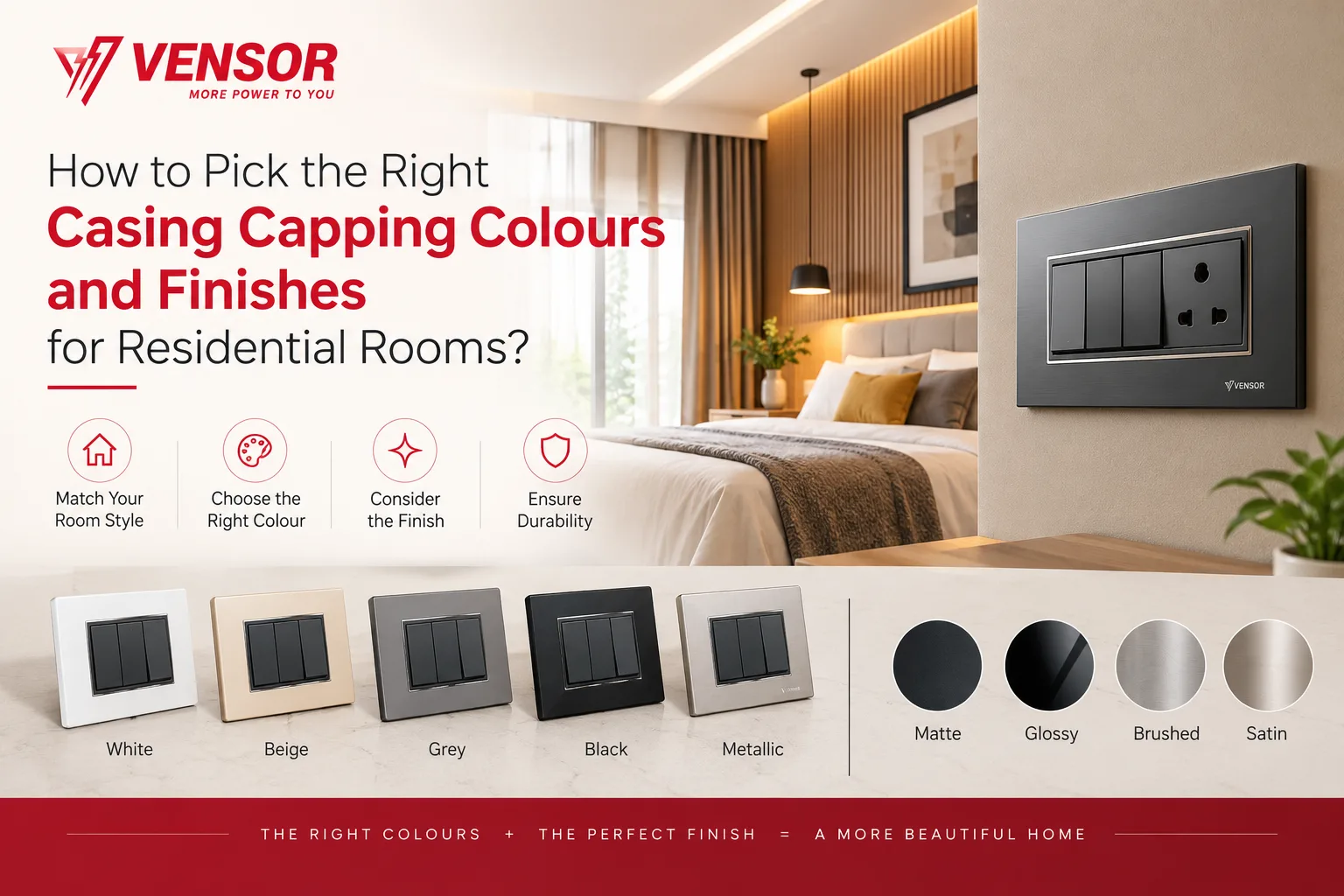
Start by considering your wall paint, ceiling and skirting. White or ivory casing capping blends naturally with light interiors, while beige complements cream and earthy shades. For grey walls, a similar grey finish creates a subtle appearance.
You can also use contrast to complement your interior design. For example, black casing capping may suit a contemporary living room with dark furniture and metal accents. Compare samples against the actual wall before purchasing, as lighting can change how colours appear.
When exploring different options, a reliable electrical equipment supplier can help you compare available shades, materials and product specifications.
2. Choose a Finish That Suits the Room
Matte finishes offer a discreet appearance and work well in minimalist interiors. Glossy finishes reflect light but may make dust and scratches more noticeable.
For kitchens, choose a finish that is easy to maintain. In bedrooms, understated colours can complement wardrobes, curtains and soft furnishings. If you are renovating several rooms, consider how the finishes will look together rather than selecting each one in isolation.
3. Consider Room Size and Lighting
Light colours can help casing capping blend into compact rooms, particularly when natural light is limited. Darker shades can add definition to larger spaces.
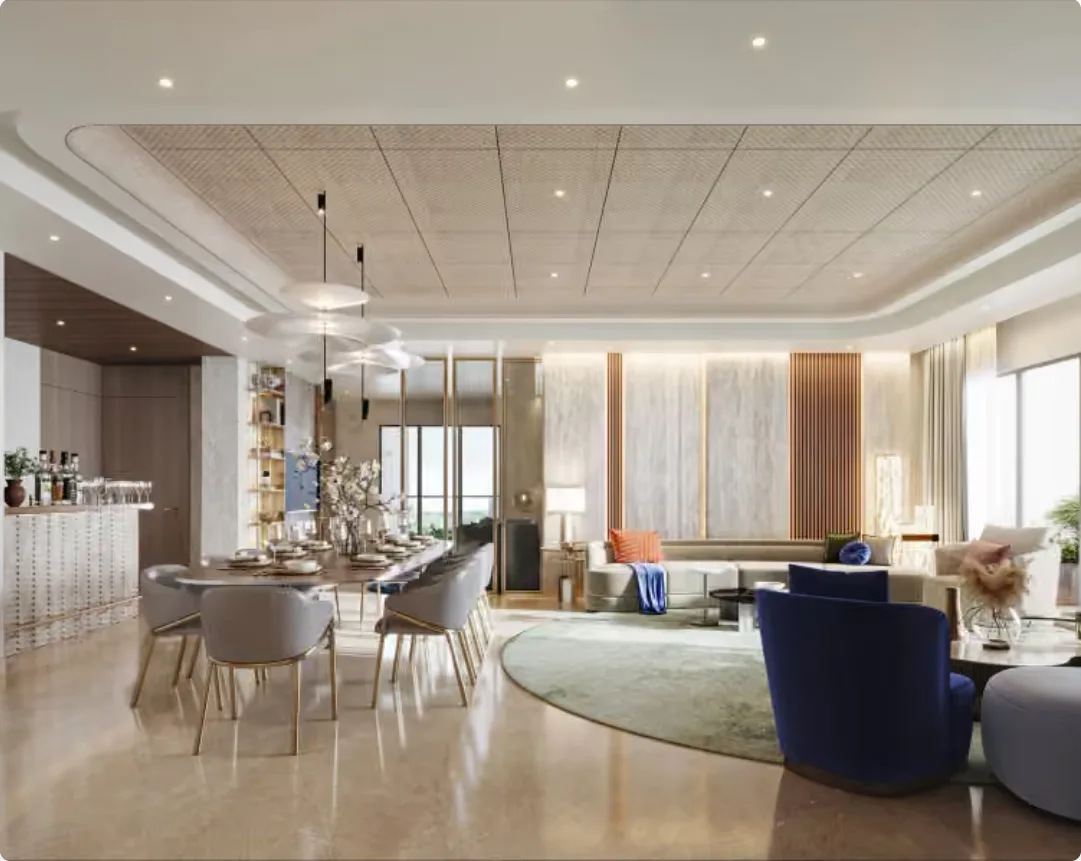
For example, white casing along the ceiling of a small study can maintain a clean, uncluttered look. In a spacious living room with wooden panelling, a warm neutral shade may complement the existing finishes.
4. Check Product Quality and Electrical Safety
Appearance should never take priority over electrical safety. Choose products with suitable dimensions, secure covers and materials intended for electrical installations. The casing must accommodate the wiring without overcrowding or leaving cables exposed.
Proper installation plays an important role in home electrical safety. Secure joints, suitable accessories and correctly routed cables help reduce electrical risks. Ask a qualified electrician to assess the wiring layout and confirm that the installation meets applicable requirements.
Before purchasing, check the manufacturer's specifications, material quality and suitability for the intended location.
5. Coordinate Accessories Across Rooms
Switch plates, sockets and casing capping should complement the overall interior. They do not need identical finishes, but related colours can create visual consistency.
For instance, white accessories may suit bedrooms with pale walls, while charcoal finishes can complement a modern entertainment area. Take photographs of your walls and existing fittings when comparing products.
You can explore the available electrical accessory options from Vensor India and compare them against your project's practical requirements. Check product specifications and installation suitability before making your final selection.
Final Thoughts
Choosing the right casing capping colours and finishes helps create a neat, coordinated appearance throughout your home. Compare samples under your room's lighting, consider cleaning requirements and ensure that the products suit the installation environment.
A little planning can help you achieve an attractive interior while maintaining practical and safe electrical installations.