
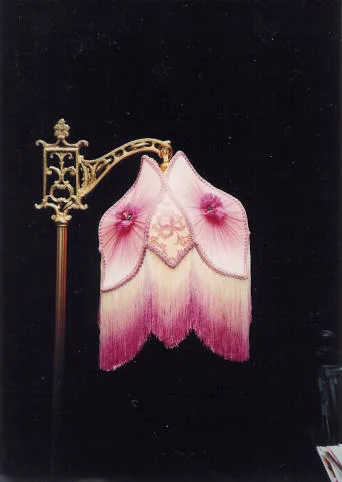
Old lamps often get thrown out simply because the shade looks tired. A cracked frame, faded fabric, or a shade that no longer matches the room is usually the only problem, and it is one that does not require buying a whole new lamp. Lampshade kits give homeowners and hobbyists a way to fix that problem themselves, using the original base and building a new shade around it by hand.
This guide looks at how these kits work, what comes inside them, and how to choose one that fits your skill level and your home. It is written for anyone who wants a straightforward, practical answer, not a sales pitch.
What Are Lampshade Kits and Why Do People Choose Them?
A lampshade kit is a packaged set of materials needed to build a fabric-covered shade over a wire frame. Most kits include the wire frame itself, backing material, decorative fabric, trim, and adhesive or sewing supplies, along with written or video instructions.
People choose lampshade kits for a few practical reasons:
- They cost less than buying a custom-made Victorian-style shade.
- They let a person match fabric and trim to existing home decor.
- They turn an old, damaged lamp into something usable again.
- They give beginners a hands-on hobby with a finished product at the end.
For anyone restoring an antique lamp base or a family heirloom, a kit is often the only realistic option, since matching replacement shades for older frames are hard to find in stores.
How Do Lampshade Kits Work for Beginners?
The general process is the same across most kits, even though shapes and patterns differ. A wire frame is wrapped with a backing strip, then covered in the outer fabric panel by panel, using glue, pins, or hand stitching depending on the kit's method.
Beginners usually start with a simpler shape, such as a drum or bell frame, before moving on to more detailed Victorian patterns with multiple fabric sections and beaded fringe. Video instruction helps here more than written steps alone, since wire work and fabric tension are easier to see than to describe.
A first project typically takes a weekend. Later projects go faster once a person understands how the fabric stretches and where seams should sit.
What Should You Look for Before Buying a Lampshade Kit?
Price matters, but it should not be the only factor. Someone looking for Affordable Lampshade Kits for Home Decor should check what is actually included before comparing prices, since some kits ship with the wire frame and trim included while others require separate purchases.
A few things worth checking:
- Does the kit include the wire frame, or only the fabric and trim?
- Is fringe or beading included, or sold separately?
- Does the seller provide instructions written for beginners?
- Is the fabric pattern suitable for the room it will sit in?
A kit that looks cheap but is missing the frame or trim often ends up costing more once the missing pieces are purchased separately. Reading the product description carefully, rather than just the price tag, tends to prevent that problem.
Where Can You Find a Unique Wire Lampshade for Your Next Project?
Wire frames form the skeleton of every fabric shade, and frame shape decides how the finished piece will look far more than fabric choice does. A unique wire lampshade frame, such as a tulip shape or a fluted Victorian pattern, gives a project a distinct silhouette that a plain drum frame cannot match.
Specialty lampshade suppliers, particularly those run by people who weld and shape frames themselves, carry patterns that big box craft stores do not stock. Buying from a supplier who also sells the matching kit and instructional video keeps the frame size, fabric yardage, and pattern instructions consistent, which matters more than it might seem for a first attempt.
Why Are Victorian-Style Lampshade Kits Still Popular Today?
Victorian lampshade design relies on multiple fabric panels, hand-applied trim, and often beaded fringe, a style that dates back to gas and early electric lighting fixtures from the late 1800s. That look never fully went out of style in traditional and antique-furnished homes.
Part of the ongoing interest comes from restoration. Homeowners who inherit or collect antique lamp bases often cannot buy a matching shade off a shelf, so a lampshade kit built around a period-correct wire frame is the practical way to complete the piece.
The other part is simply aesthetic. Fabric-and-fringe shades diffuse light differently than plain modern shades, giving a warmer, softer glow that fits parlors, reading rooms, and bedrooms furnished in older styles.
How Do You Choose Between Different Lampshade Kit Styles?
Most sellers offer a small number of frame shapes, each suited to a different kind of lamp base and room. A tulip-shaped frame tends to suit a slender lamp base and works well as an accent piece, while a fuller Victorian beauty frame suits a wider base meant to be a room's focal point.
Questions worth asking before choosing:
- What is the diameter and height of the lamp base the shade will sit on?
- Is the room formal, casual, or a mix of styles?
- Does the kit's fabric list include a color already used elsewhere in the room?
- Is this a first project or a repeat one?
Matching the frame shape to the base first, then choosing fabric and trim second, produces a better result than picking a fabric pattern before checking whether the frame fits the lamp at all.
What Tools and Supplies Come With a Lampshade Kit?
Contents vary by seller, but a well-stocked kit usually includes the wire frame, styrene or fabric backing, the decorative outer fabric, binding tape for the top and bottom rings, trim or fringe, and adhesive. Some kits add sewing needles and thread for stitched seams instead of glued ones.
Tools not always included, and worth having on hand separately, are sharp fabric scissors, a ruler or tape measure, clothespins or binder clips to hold fabric in place while it sets, and a well-lit, flat workspace.
Checking the supply list against what a person already owns before ordering can save a second shipping wait mid-project.
How Long Does It Take to Complete a Lampshade Kit Project?
A drum-shaped or single-panel shade can often be finished in an afternoon. A full Victorian-style shade with multiple fabric panels, trim, and fringe usually takes a full weekend for a first attempt, including drying time for adhesive between steps.
Working with instructional video alongside the written pattern tends to cut project time down, since it is easier to match hand position and fabric tension to a demonstration than to a diagram. Rushing the glue-drying stage is the most common reason a first shade looks uneven, so patience matters more than speed here.
What Are the Benefits of Making Your Own Lampshade Instead of Buying One?
Building a shade from a kit gives control over color, fabric weight, trim style, and overall proportion that a pre-made shade from a general home store cannot offer. It also keeps an otherwise good lamp base out of the landfill.
There is also a practical cost angle. Lampshade kits priced for a hobbyist audience are often less expensive than a custom-order replacement shade from a specialty shop, while still producing a comparable finished look when the frame and fabric are chosen carefully.
For anyone who enjoys hand sewing, embroidery, or similar textile hobbies, a lampshade project uses many of the same skills applied to a functional, decorative object rather than a purely decorative one.
Final Thoughts
Choosing between the many lampshade kits on the market comes down to matching frame shape to lamp base, checking exactly what is included before buying, and being honest about how much time a first project will take. A kit that includes clear instructions, a properly sized wire frame, and matching trim is worth more than one that is simply the cheapest option listed.
For anyone restoring an antique base or just looking to refresh a tired lamp, a well-chosen kit turns an afternoon or weekend into a piece of functional home decor that a store-bought shade usually cannot match.