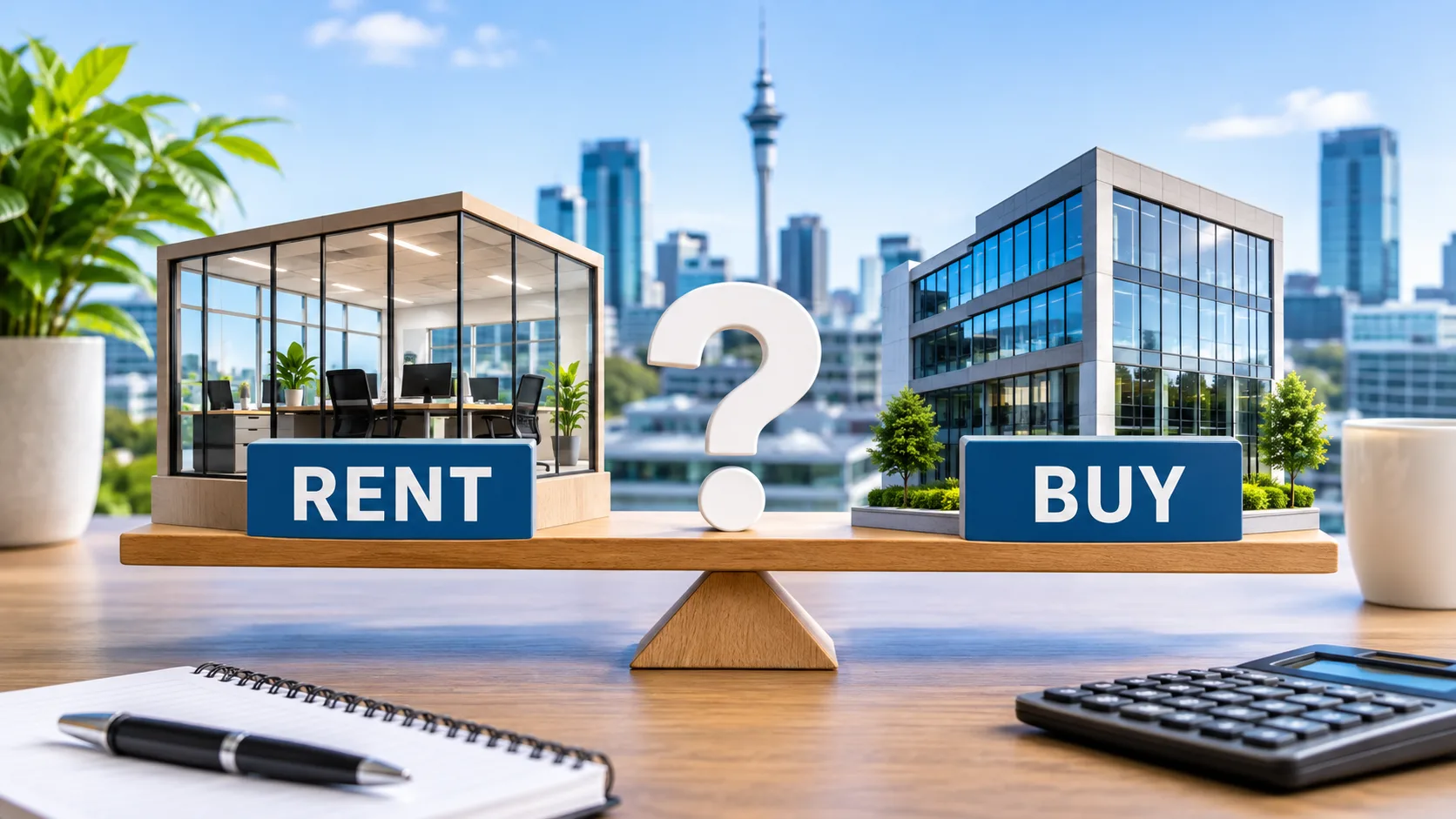
Choosing between renting and buying an office is an important decision for any business. The right choice can affect your cash flow, growth and daily operations. An office for rent can provide flexibility and lower upfront costs, while buying commercial property may offer long-term ownership benefits.
Before making a decision, consider your business goals, financial position and future space requirements. Understanding the advantages and disadvantages of both options can help you choose a workspace that supports your business.
Is Office for Rent a Better Choice for Your Business?
Renting can be a practical option for businesses that want professional premises without committing to a major property purchase. It allows companies to use suitable office space while keeping more capital available for daily operations.
Commercial renting usually involves signing a lease agreement with a property owner. The agreement sets out the rental amount, lease duration, payment terms and responsibilities of both parties.
Businesses can choose from different lease arrangements depending on their requirements. Some prefer shorter commitments, while others choose longer agreements to secure a stable location.
Renting may be particularly useful for start-ups, small businesses and companies experiencing growth. However, buying may make more sense for businesses with stable operations and enough capital to invest in property.
Key Benefits of Choosing Office for Rent
Renting an office offers several advantages, particularly for businesses that need flexibility and want to manage their expenses.
Lower Initial Costs
Buying commercial property often requires a significant deposit, legal fees and other purchase expenses. Renting usually requires a smaller initial financial commitment, although tenants may still need to pay a bond, rent in advance and other charges.
This allows businesses to keep more money available for important activities such as hiring employees, purchasing equipment and marketing their services.
Greater Business Flexibility
Business requirements can change over time. A growing company may need additional space, while a smaller team may want to reduce its operating costs.
An office for lease can provide more flexibility when these changes occur. Businesses can review their requirements when their lease approaches renewal and consider moving to premises that better suit their needs.
However, flexibility depends on the lease agreement. Check the contract for break clauses, renewal conditions and early termination costs.
Access to Prime Business Locations
Renting can help businesses secure premises in established commercial areas without purchasing expensive property.
A suitable location can improve accessibility for employees, clients and suppliers. It may also provide access to public transport, parking, nearby services and other business facilities.
Easier Space Management
Some commercial buildings provide shared facilities and property management services. These may include reception areas, lifts, cleaning of common spaces and building maintenance.
However, tenants should not assume that all maintenance costs are covered. Review the lease to understand which expenses are included and which remain the tenant's responsibility.
The Advantages and Disadvantages of Buying an Office
Buying an office can be a suitable long-term investment for businesses with stable finances and clear property requirements.
Benefits of Owning Commercial Property
Property ownership gives businesses greater control over their premises. Owners may have more freedom to customise the workspace, subject to planning rules, building requirements and other restrictions.
Commercial property can also build equity over time as mortgage repayments reduce the outstanding loan balance. There may also be opportunities for capital growth, although property values can rise or fall.
Another benefit is greater long-term occupancy certainty. Businesses do not need to negotiate lease renewals with a landlord.
Challenges of Buying an Office
The main challenge is the cost of purchasing commercial property. Businesses need to consider deposits, loan repayments, legal expenses, insurance, rates and maintenance.
Ownership can also reduce financial flexibility. Money invested in property may not be easily available for business operations or unexpected expenses.
If a business needs to relocate, selling the property can take time and involve additional costs. These factors make buying less suitable for companies that expect major changes in their operations.
Office for Rent vs Buying: What Should You Consider?
There is no single answer for every business. Comparing several important factors can help you make a more informed decision.
Compare the Total Costs
Look beyond the advertised rental price or mortgage repayment. Calculate the full cost of each option.
For renting, consider:
- Monthly rent and rent increases.
- Bond and upfront payments.
- Building operating expenses.
- Insurance and maintenance responsibilities.
- Fit-out and relocation costs.
For buying, consider:
- Property deposit and mortgage repayments.
- Legal and transaction fees.
- Council rates and insurance.
- Repairs and ongoing maintenance.
- Interest rate changes and other financing costs.
A detailed comparison will help you understand the actual financial commitment.
Consider Your Business Growth Plans
Think about how your business may change over the next three to five years.
If you expect to hire more employees, expand into new markets or change locations, renting may offer greater flexibility. If your business has predictable space requirements, buying may provide a more stable long-term solution.
Review Your Financial Position
Your available capital and borrowing capacity should influence your decision.
Renting can preserve working capital for business activities. Buying may provide an asset, but it also requires a long-term financial commitment.
Consider speaking with an accountant or financial adviser before making a major property decision.
Understand Your Lease Agreement
Before signing a commercial lease, review all conditions carefully.
Pay attention to the lease duration, rent reviews, renewal rights, permitted use, maintenance responsibilities and repair obligations.
A commercial property lawyer can help explain the agreement and identify conditions that may affect your business.
How to Find the Right Office for Rent in Auckland
Finding suitable premises involves more than comparing rental prices. Businesses should assess the location, facilities and lease conditions before making a decision.
Choose a Suitable Business Location
Consider areas that provide convenient access for employees and clients. Look at public transport, parking, major roads and nearby business services.
When searching for an office for lease Auckland businesses can compare different commercial areas based on accessibility, rental costs and available facilities.
Assess Office Size and Facilities
Choose a workspace that supports your daily operations. Consider the number of employees, meeting room requirements, storage needs and potential future expansion.
Check whether the building offers reliable internet access, kitchen facilities, air conditioning and suitable shared spaces.
Compare Leasing Options
Explore different office space for lease listings to understand available properties and rental conditions.
Compare floor areas, lease terms, building features and additional expenses. Arrange inspections where possible so you can assess the workspace before making a commitment.
Final Verdict: Should You Rent or Buy an Office?
The best option depends on your business finances, growth plans and long-term goals.
Choose Renting for Flexibility
Renting is often suitable for start-ups, small businesses and growing companies. It can reduce initial expenses, preserve working capital and make it easier to change premises as business needs develop.
Choose Buying for Long-Term Ownership
Buying may suit established businesses with stable finances and predictable space requirements. It offers greater control over the premises and the potential to build property equity over time.
Ultimately, compare the full costs and risks before deciding. The right workspace should support your business without placing unnecessary pressure on your finances.
Frequently Asked Questions
1. Is renting an office cheaper than buying?
Renting generally requires less money upfront than buying. However, total costs depend on rental rates, lease conditions, mortgage expenses, maintenance and how long you intend to occupy the premises.
2. What are the benefits of an office lease?
An office lease can provide access to professional premises without requiring a large property purchase. It may also offer greater flexibility and help businesses preserve working capital.
3. How long should a commercial office lease be?
The ideal lease duration depends on your business needs. Shorter leases may suit growing businesses, while longer agreements can provide greater occupancy stability.
4. What costs should I consider when renting an office?
Consider rent, bond, building operating expenses, insurance, utilities, maintenance and potential rent increases. Always review the lease to understand your financial responsibilities.
5. Is office space for lease suitable for small businesses?
Yes. Leasing can suit small businesses that want professional premises without committing significant capital to property ownership.
6. What should I check before signing a commercial lease?
Review the lease duration, rental payments, rent reviews, renewal options, permitted use, maintenance obligations and termination conditions. Seek legal advice if needed.