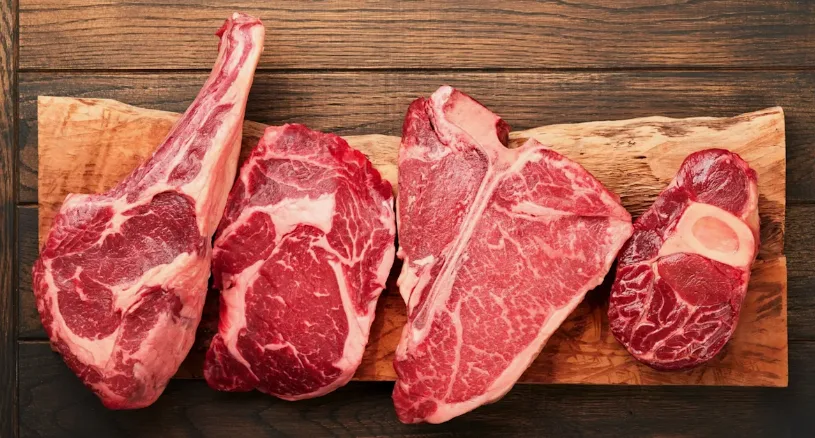
A box of beef arriving at the door can feel like a small victory.
No crowded store. No guessing at the meat counter. No wondering if the best cuts were already picked over before the weekend. Just carefully packed steaks, roasts, ground beef, or freezer bundles ready for real meals.
But there is another side to online meat shopping.
A beautiful website can hide weak sourcing. A discount can hide poor quality. A social media ad can look polished while the seller behind it has no clear shipping process, no proof of handling standards, and no real customer support.
That is why learning how to order high quality beef online is not just about finding the best cut. It is about knowing what to check before money leaves your account.
Key Takeaways
- A trustworthy beef seller should clearly explain sourcing, processing, shipping, and storage.
- Extremely low prices, vague claims, and no customer service details are major warning signs.
- Safe online beef buying starts with traceability, cold shipping, honest reviews, and clear policies.
- The best purchase is not always the cheapest one. It is the one that arrives safely, tastes right, and matches what was promised.
Why Online Beef Buying Feels Risky Today
Online food shopping has grown fast, and scammers have followed the attention. According to the Federal Trade Commission, consumers reported losing more than $3 billion to scams that started online in 2024.
That does not mean every online beef seller is suspicious. Many farms, ranches, and specialty meat brands are doing honest work and shipping excellent beef across the country.
The problem is that food buyers often shop with emotion.
A great steak photo. A flash sale. A claim like “premium beef direct to your door.” A countdown timer that says the bundle is almost gone.
Scammers know this.
Good buyers slow the moment down. They look beyond the image. They ask: Who raised this beef? How is it processed? How is it packed? What happens if the box arrives warm? Can I contact a real person?
That small pause can save a lot of regret.
What Makes Online Beef High Quality?
High quality beef is not defined by one word on a label. It comes from a chain of decisions, starting long before the package reaches your freezer.
Good beef should have clear sourcing, proper handling, safe processing, reliable packaging, and honest product descriptions.
In simple terms, high quality beef online should answer four questions:
- Where did the beef come from?
- How was it raised and processed?
- How will it stay cold in transit?
- What support is available after delivery?
Jean Anthelme Brillat Savarin famously wrote, “Tell me what you eat, and I will tell you what you are.” That idea feels especially relevant when buying beef online. The purchase is not only about convenience. It is about trust, care, and the story behind the food.
How To Spot A Trustworthy Beef Seller
A reliable online beef seller does not make you hunt for basic information.
The website should explain what kind of beef is sold, where it is sourced, how orders are packed, and what customers should expect once the shipment arrives. Strong sellers also make their contact details visible.
Look for clear details such as:
- Beef type, such as grass fed, pasture raised, Angus, USDA certified, or grain finished
- Product weights and package sizes
- Storage instructions
- Shipping schedule
- Delivery regions
- Refund or replacement policy
- Customer support contact
- Real reviews with specific details
Vague language is a problem. If every product is called “premium” but nothing explains why, keep looking.
A serious seller gives you substance. A weak seller gives you slogans.
What Are The Biggest Red Flags?
Not every scam looks messy. Some of the worst ones look clean, modern, and believable.
Here are warning signs to take seriously:
- Prices That Feel Too Good To Be True
Beef has real production, processing, packaging, and shipping costs. A deal can be fair, but a price far below market value should raise questions. - No Clear Shipping Information
Frozen or chilled beef must be shipped carefully. If the website does not explain packaging, delivery timing, or cold handling, that is a problem. - No Real Contact Details
A contact form alone is not always enough. A trustworthy food seller should provide a reasonable way to reach support. - Stock Photos Everywhere
Beautiful food images are common, but a site with only generic images and no real product or farm context can feel thin. - Pressure Based Sales Tactics
Countdown timers, urgent pop ups, and “last chance” claims can be used honestly, but they are also common in scam style shopping experiences. - No Policy For Warm Or Damaged Orders
Beef shipping depends on temperature control. A seller should explain what happens if delivery goes wrong.
The Smart Buyer Checklist
Before placing an online beef order, run through this quick check.
What To CheckWhy It MattersWhat You Want To SeeSourcingShows where the beef comes fromClear farm, ranch, region, or production detailsProcessingSupports food safety and trustUSDA inspection or clear safety languageShippingProtects freshnessCold packaging, delivery windows, trackingReviewsShows real buyer patternsSpecific comments about taste, delivery, and supportPoliciesProtects the buyerRefund, replacement, and damaged order guidanceSupportHelps if something goes wrongPhone, email, or responsive contact optionThis checklist does not need to take long. Two or three minutes can reveal whether a seller is serious or simply polished.
How Should Beef Be Shipped Safely?
Beef ordered online should arrive cold, carefully packed, and sealed.
Most quality sellers use insulated packaging, cold packs, dry ice, or similar temperature control methods. The exact method may vary, but the purpose is the same: keep the product safe during transit.
A buyer should review the delivery window before ordering. If no one will be home for several hours, it may be better to ship to a location where the package can be brought inside quickly.
When the box arrives, check:
- The package condition
- The seal on each item
- Whether the beef is still frozen or very cold
- Any odor, leakage, or damaged packaging
- The label and product count
If something feels wrong, take photos before discarding anything. Contact the seller quickly and save order details.
How To Read Reviews Without Being Fooled
Reviews can help, but only if you read them carefully.
A five star rating with no details is not as useful as a specific review that says the ribeyes arrived frozen, the ground beef was packed in one pound portions, and the seller responded quickly to a shipping question.
Look for patterns.
If many customers mention late boxes, poor packaging, missing items, or no response from support, pay attention. If reviews repeatedly talk about flavor, tenderness, freshness, and smooth delivery, that is a better sign.
Also check reviews beyond the seller’s own website when possible. Search the brand name with words like “reviews,” “complaints,” “shipping,” or “scam.” A trustworthy brand should not disappear outside its own sales page.
What Most People Get Wrong About Cheap Beef Online
The biggest mistake is comparing beef only by price per pound.
That number matters, but it does not tell the whole story.
A cheaper bundle may include cuts you rarely cook. Another may have unclear weights. A discount box may look generous but contain mostly ground beef and stew meat when you expected steaks.
Better questions include:
- Will the family actually use every cut?
- Are the package sizes practical?
- Is the sourcing clear?
- Is shipping included or added later?
- What happens if the order arrives damaged?
- Does the seller explain the beef honestly?
Cheap beef becomes expensive when it is wasted, disappointing, or unsafe.
How To Place Your First Order Safely
For a first online beef order, start small.
A starter bundle or smaller cut selection gives you a chance to test the seller without filling your freezer. Once you trust the packaging, flavor, communication, and delivery process, you can order larger boxes with more confidence.
A simple first order process looks like this:
- Choose a smaller package or sample bundle.
- Confirm sourcing and processing details.
- Review shipping timing before checkout.
- Save the confirmation email and tracking number.
- Inspect the box immediately after delivery.
- Cook one familiar cut first to judge quality.
Start with something your household already knows how to prepare, such as ground beef, steaks, stew meat, or a roast. That makes quality easier to judge.
When Is A Beef Seller Worth Trusting?
A beef seller earns trust through clarity.
The best online meat companies do not hide behind vague claims. They explain the work. They show the process. They make support simple. They respect the fact that customers are buying food for their families, not just placing a casual order.
Trust also comes from consistency. If the brand says the beef is pasture raised, USDA certified, naturally raised, or shipped within a certain window, the customer experience should match that promise.
For buyers who value pasture raised beef, careful farming, clear delivery, and freezer ready ordering, COASTAL BEEF LLC offers a direct option rooted in Louisiana farming, USDA certified quality, and nationwide delivery for families who want real beef handled with care.
What To Do If You Think You Were Scammed
If an online beef order never arrives, arrives unsafe, or the seller disappears after payment, act quickly.
First, collect your proof. Save emails, screenshots, order numbers, tracking information, payment records, and photos of the package if it arrived damaged.
Then contact the seller in writing. If there is no response, contact your payment provider and ask about dispute options.
Consumers can also report fraud, scams, and bad business practices through the FTC’s fraud reporting website.
The faster you document the issue, the better.
FAQs
How can you tell if online beef is real quality?
Look for clear sourcing, processing information, shipping details, realistic pricing, specific product descriptions, and customer reviews that mention taste, packaging, and delivery.
Is it safe to order beef online?
Yes, it can be safe when the seller uses proper cold packaging, clear delivery timing, sealed products, and responsible customer support.
What should I check before buying beef online?
Check sourcing, product weight, shipping method, refund policy, reviews, customer support details, and whether the seller explains how the beef is raised and handled.
Why are some online beef prices so low?
Some prices are low because of sales or bulk ordering. Others may be low because the offer is misleading, the cuts are unclear, or the seller is not legitimate.
Should I buy a large beef bundle first?
A smaller first order is usually smarter. It lets you test the seller’s quality, packaging, delivery, and support before making a bigger purchase.
What does USDA certified mean for beef?
USDA certified or inspected language generally points to federal standards around processing and safety. Buyers should still read the seller’s full product and shipping details.
What if my beef arrives warm?
Take photos, keep the packaging if needed, and contact the seller immediately. Do not consume beef that appears unsafe, smells wrong, or was not kept cold.
Are online beef reviews always reliable?
Not always. Read reviews for specific details, not just star ratings. Look for repeated comments about shipping, flavor, packaging, and support.
How do I avoid fake beef websites?
Avoid websites with no contact information, vague claims, unrealistic prices, poor policies, copied images, and pressure based sales tactics.
What is the best way to order high quality beef online?
Start small, verify sourcing, review shipping details, check policies, inspect the delivery immediately, and reorder only after the seller proves reliable.
Conclusion
Ordering beef online can be a smart, convenient way to stock the freezer and bring better meals to the table.
But trust should come before checkout.
The safest buyers do not rush because a sale looks tempting. They look for sourcing, processing, shipping, reviews, and clear support. They notice what the seller explains and what the seller avoids.
That is how to order high quality beef online without getting scammed: slow down, check the proof, start with a sensible order, and choose beef from people who treat quality like a responsibility, not a marketing phrase.