Copper has been one of the most high-value metals within the recycling sector for years. Its high value as scrap copper comes from its high conductivity, durability, and ultimately recyclability. Before you sell your copper scrap, it’s important to understand how copper scrap price is determined, to maximise your benefit.
This is the complete guide for understanding and profiting form copper scrap in Australia.
What Is Copper Scrap?
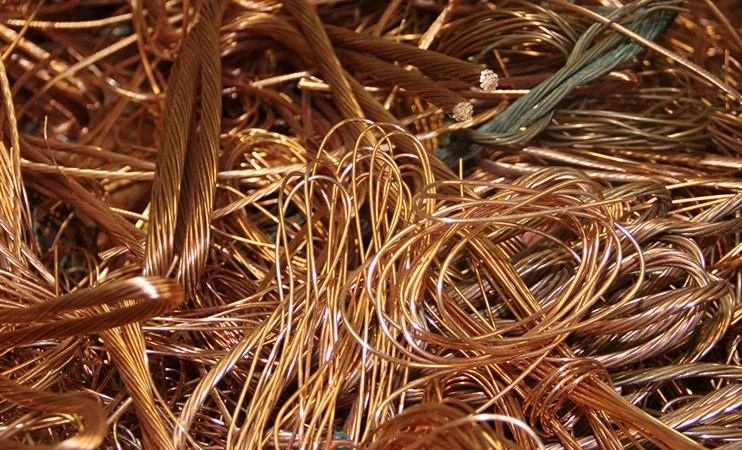
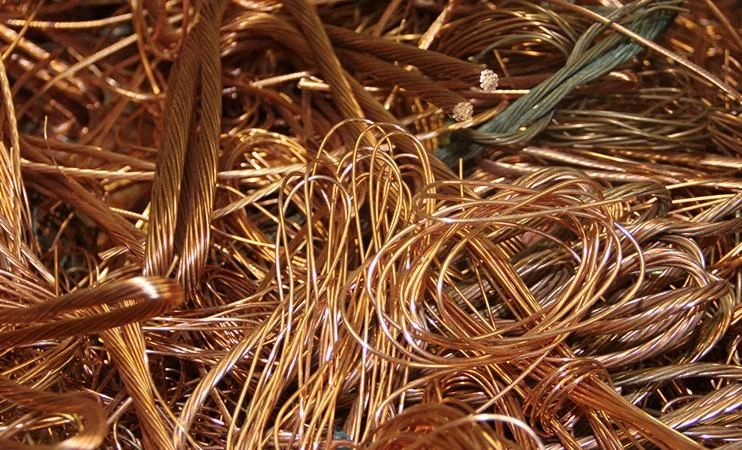
Copper scrap refers to any remaining or discarded copper material intended for reuse. Copper scrap may come from many different sources, but some examples include electrical wiring, plumbing material, roofing sheets, appliances, and industrial machinary.
Scrap copper usually may be categorised into a few specific types:
Bare Bright Copper: Clean non-coated, untinned copper wire - highest value.
1 Copper: Clean copper tubing or wire with no insulation.
2 Copper: Contaminated copper, painted copper, and copper with fittings such as soldered pipes included.
Insulated Copper Wire (ICW): very common from electrical wiring.
Copper Radiators: generally from vehicles and HVAC units.
It is important that you properly separate your copper scrap into these categories to get the highest value.
Overview of Current Scrap Copper Prices
The price of copper scrap price can vary based on the type and quality of the scrap. In Australia, the price of copper scrap can be anywhere from $6 to $10 a kilo. The highest prices will usually be paid for bare bright copper.
Factors that Will Influence Scrap Prices:Location (Melbourne, Sydney, Brisbane, etc.)
Quantity and grade of copper
Daily changes in the global copper market
If you want to see exactly what the current prices are, check a reliable source like Fast Copper Scrap, whose rates are updated regularly.
What Factors Affect Copper Prices?
Several main factors impact copper prices:
Grade and Purity
Clean, pure copper usually will be rated much higher than mixed, or contaminated scrap.
Market Demand
Global interest for industrial demand, particularly construction and electronics, will impact price fluctuations.
Quantity
Bulk copper will generally give you rates better than scrap that you made a lot of effort to sort properly.
Condition
Copper that has been stripped of insulation, solder, or paint will generally earn a better return.
Commodity Markets
Typically, copper prices are linked to the global metals exchange, where daily or weekly prices can significantly change.
How To Make Sure You Get The Best Price For Scrap Copper
If you want to stay up to date and avoid being cheated out of money for your copper, then it is important for you to check prices for copper before selling it. Here is how:
-Look at Scrap yards like Fast Copper Scrap.
-Call local recyclers to get some quotes.
-Use various online scrap metal price trackers to find a live price of what the copper is worth.
-Follow the selling price for the commodity market when selling in large amounts, rather than the scrap market.
Tips To Help You Get the Most Money For Scrap Copper
If you want to receive the most money for your recycled copper, you will want to follow the tips below.
✅ Classify your scrap copper by grade.
✅ Remove all insulation, paint or attachments as much as possible.
✅ Remove all dirt, lastly, you want your copper to be clean and bundled neatly together.
✅ Stay on top of what the market prices are and sell copper when it peaks.
✅ If possible, sell in bulk.
✅ Establish a relationship with a trusted and reputable recycler.
Remember, if you make your copper as clean and open as possible to maximum value, you will get the highest value possible.
Why Recycling Copper Is Important
Recycling copper not only puts money back into your pocket, but is very important for the planet:
♻️ Recycling copper uses up to 85% less energy than mining for new copper.
🌎 Recycling copper eliminates landfill waste, therefore limiting carbon emissions.
🔄 Recycling copper helps supports sustainable manufacturing in fashion, plumbing, electronic and infrastructure products.
When you are recycling copper, you are directly supporting the circular economy.
Common Mistakes to Avoid
- Mixing copper with other metals.
- Selling unclean or contaminated scrap.
- Not checking that day's copper price.
- Utilizing low-paying or unlicensed scrap buyers.
Researching and preparing your copper properly will avoid you leaving money on the table.
Conclusion
By understanding the copper scrap price — and what influences it — you can earn more for your recyclables. Whether you are clearing out old wiring, or dealing with industrial leftovers, following through on smart preparation and dealing with trusted scrap buyers, can help you increase profits.