
Sydney's beaches offer an easy way to escape the busy pace of the city. Whether you enjoy an early morning swim, a relaxed afternoon by the water or regular ocean training, spending time near the coast can be both enjoyable and refreshing.
A little preparation can make a beach day more comfortable. From choosing the right time to swim to protecting yourself from the sun and looking after your ears, simple habits can help you enjoy the water with fewer distractions.
Choose the Right Time for Your Beach Visit
Sydney's beaches can become busy during weekends and holidays, particularly during warmer weather. If you prefer a quieter experience, consider visiting earlier in the morning.
An early start can also make outdoor activities more comfortable during warmer months. Before swimming, check the local weather and beach conditions and follow any safety advice provided at the beach.
If you are unfamiliar with a particular beach, look for a patrolled swimming area and follow the instructions displayed by lifeguards.
Protect Yourself From the Sun
Spending several hours outdoors means thinking about sun protection as well as swimming.
Apply broad-spectrum sunscreen as directed and reapply it as needed, particularly after swimming. A wide-brimmed hat, sunglasses and lightweight clothing can provide additional protection when you are not in the water.
It is also sensible to take breaks from direct sunlight. Sitting in a shaded area between swims can make a long beach day considerably more comfortable.
Look After Your Ears in the Water
Water is an important consideration for some swimmers. While many people have no problem with water entering their ears, others may prefer to keep their ears dry because of personal comfort or specific advice from a healthcare professional.
Regular swimmers may find that ordinary earplugs do not remain securely in place during movement in the water. A loose plug can become distracting, particularly during longer swimming sessions.
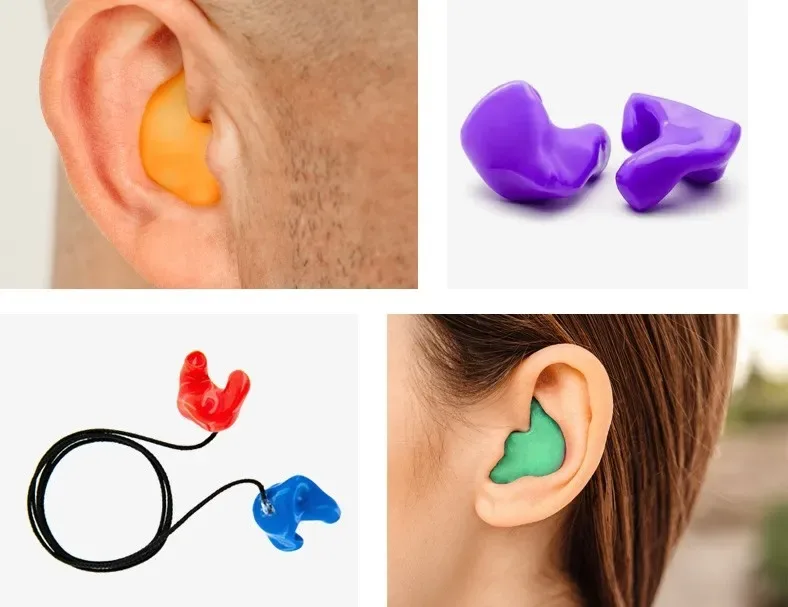
Custom swimming earplugs are made to match the shape of the wearer's ears and are designed to help prevent water from entering the ears during suitable water activities.
If you have an existing ear condition or have been advised to avoid water exposure, follow your healthcare professional's recommendations when choosing and using ear protection.
Keep Your Swimming Equipment Simple
You do not need to take your entire household to the beach. A few practical items can make a big difference.
A towel, swimwear, sunscreen, water bottle and suitable footwear are useful basics. If you plan to stay for several hours, consider taking a small bag that can keep personal items organised and protected from sand.
Regular swimmers may also want to carry their own goggles and other equipment rather than relying on items available at the beach or pool.
Stay Hydrated
Swimming may not always feel like strenuous exercise, but your body still loses water throughout the day.
Bring a reusable water bottle and drink regularly, particularly during warmer weather. Spending several hours in the sun can increase your fluid requirements even if you do not feel particularly thirsty.
Alcohol is best avoided before or during swimming because it can affect judgement and water safety.
Take Breaks Between Swims
There is no need to spend the entire day in the water.
Taking regular breaks allows you to rest, reapply sunscreen and have some water. It also gives you an opportunity to pay attention to changing weather or beach conditions.
If you are swimming for exercise, structure your session around your fitness level rather than pushing yourself simply because you have access to the water.
Choose Comfortable Accommodation
If you are visiting Sydney from another city or country, where you stay can influence how much you enjoy your beach activities.
Consider accommodation that provides reasonable access to the places you plan to visit. Spending less time travelling can leave more time for swimming, walking and exploring.
Noise can also matter after a busy day. If you are staying in a central or lively area, outside activity may continue into the evening. Light sleepers may want to consider the location and surrounding environment when choosing accommodation.
Creating a comfortable sleeping environment can help you feel more rested for the following day's activities.
Look After Your Ears After Swimming
Once you leave the water, avoid putting objects deep into your ears to try to remove moisture.
Cotton buds can irritate the ear canal and may push earwax further inside. In most situations, allowing the outer ear to dry naturally is preferable.
If you regularly experience ear pain, blocked ears, discharge or changes in hearing after swimming, speak with a healthcare professional.
Know Your Limits
A beach day should be enjoyable rather than exhausting.
If you are swimming for exercise, gradually increase the distance and intensity rather than attempting more than your body is accustomed to. Take breaks when you need them.
When swimming in the ocean, remember that conditions can change. Follow local warnings, swim in patrolled areas and avoid entering the water if conditions are beyond your experience or ability.
Enjoy Sydney Beyond the Beach
A Sydney beach trip does not have to revolve entirely around swimming.
After spending time in the water, explore nearby walking paths, cafés, markets or local neighbourhoods. Combining outdoor activities with quieter periods can make the day feel less rushed.
Sydney's coastline also provides opportunities for photography, coastal walks and simply enjoying the scenery without getting into the water.
Make Comfort Part of Your Beach Routine
The best beach experiences often come from simple preparation.
Check conditions before swimming, protect yourself from the sun, stay hydrated and take regular breaks. If water entering your ears is a recurring concern, consider protection designed specifically for swimming rather than using a general-purpose earplug.
A little planning can help you spend more time enjoying Sydney's coastline and less time dealing with avoidable discomfort.