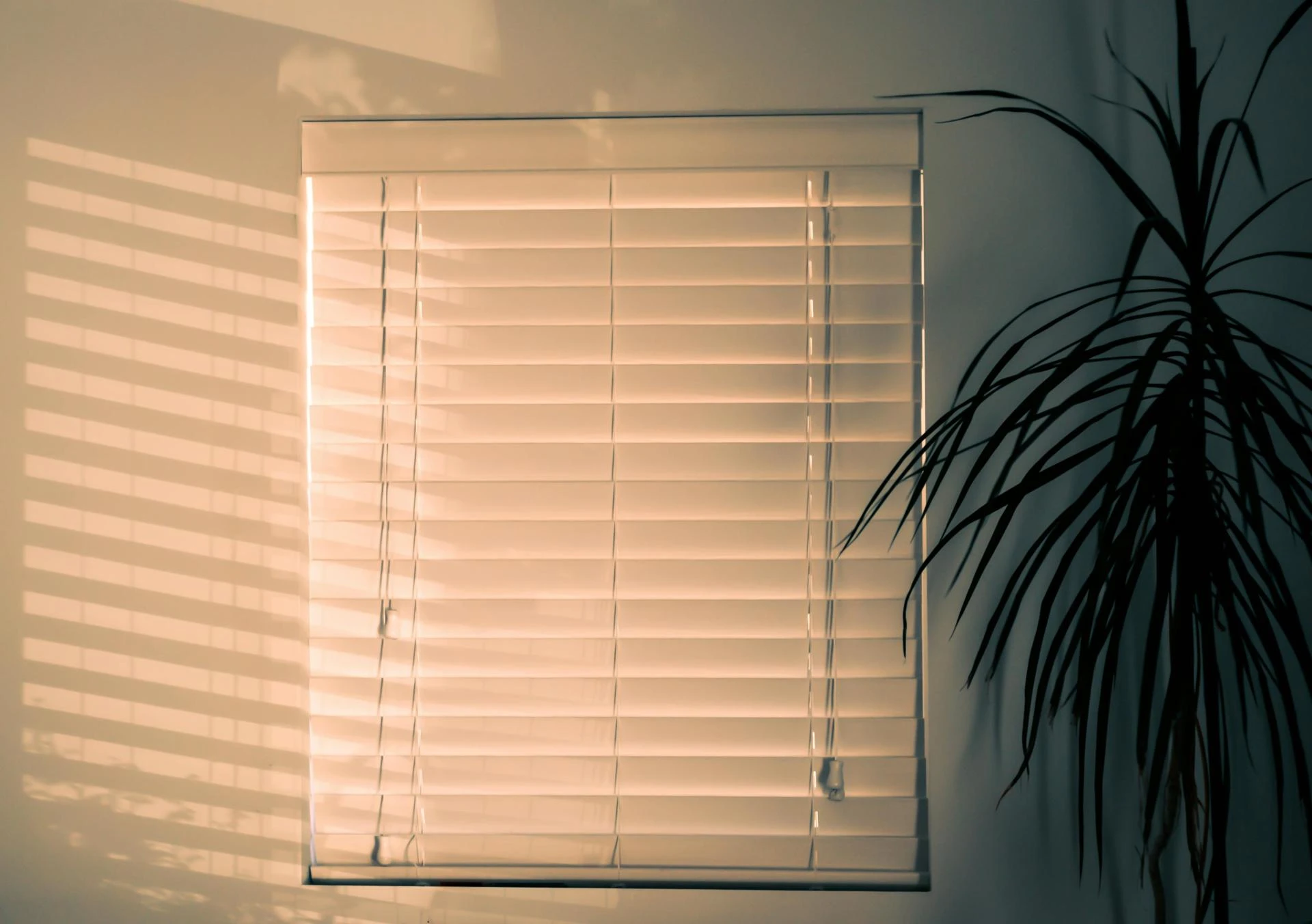
A bright home always feels more welcoming. Natural light can change the entire mood of a room. It makes spaces look open, warm and full of life. But not every home is built with huge windows or perfect sunlight. The good news is that with smart window design, you can make your home look brighter even if you don’t have the best natural lighting.
Creating a bright space is not just about adding more lights. It’s about making the most of the windows you already have. With the right choices, you can turn any room into a lighter, fresher and more uplifting place. Let’s explore practical ways to do that.
1. Choose the Right Window Treatments
Window treatments play a major role in how much light enters your room. Heavy and dark curtains can block sunlight and make your home feel smaller. Light and breathable fabrics allow sunshine to flow in while still giving you privacy.
Sheer curtains are a great option for soft daylight. Light-colored blinds also help control light without stopping it completely. If you want to explore different types of modern blinds that support a bright home, here is a helpful resource with examples:
https://hocfurniture.ae/product-category/blind/
This is not meant as a promotion. It simply helps readers understand the kinds of window coverings available today.
When choosing window treatments, think about:
- Fabric weight
- Color tone
- Openness of the weave
- Ease of adjusting the light
The goal is to create a balance between light and comfort.
2. Keep Your Windows Clean and Clear
It sounds simple, but clean windows make a huge difference. Dust, dirt or fingerprints can block sunlight more than you think. When windows are clear, light passes through freely and the entire room feels brighter.
Try cleaning your windows inside and outside at least once every few weeks. Use a gentle cleaner and a microfiber cloth to avoid streaks. Also check if your window screens need washing. Even clean glass won’t help much if the screen is dirty.
Keeping the window area clutter-free is also important. Avoid placing bulky furniture right in front of the window. Let the light flow naturally.
3. Use Mirrors to Reflect Light
Mirrors are one of the easiest ways to make a room feel brighter. A well-placed mirror can reflect sunlight and spread it across the room.
Try placing mirrors:
- Opposite a window
- Beside a window
- On walls where light naturally falls
A large mirror can make a small room feel twice as open. Smaller mirrors grouped together can also create a playful light effect.
Reflective surfaces on furniture, decor or frames can increase brightness as well.
4. Choose Light Colors for Walls and Furniture
Dark colors absorb light. Light colors reflect it. That’s why bright homes often have white or pastel walls. If you don’t want plain white, choose soft shades like cream, beige, baby blue or light gray.
Furniture color matters too. A large dark sofa or wardrobe can make the room look heavier. Choosing lighter shades helps maintain a bright and airy feel. Even if you already have dark furniture, you can balance it with light rugs, cushions and throws.
Your goal should be to create a space where light can bounce around easily.
5. Use Layered Lighting for Evening Brightness
Natural light is wonderful during the day, but evenings need thoughtful lighting. Instead of relying on a single ceiling light, try layering:
- Ceiling lights
- Floor lamps
- Table lamps
- Wall lights
Different lights create depth and prevent shadows. Soft white bulbs imitate natural sunlight and make rooms feel warm. Avoid harsh or overly yellow lighting that can make spaces feel dull or uninviting.
Place lamps in dark corners to brighten the entire room evenly.
6. Maximize Natural Light with the Right Blind or Curtain Style
Some window treatments block too much light even when open. Smart design means choosing styles that let you control light easily.
Popular options include:
- Sheer curtains for soft daylight
- Roller blinds for smooth control
- Venetian blinds for adjustable light direction
- Vertical blinds for large windows
- Roman shades for a clean look
Blinds are especially useful because they help you fine-tune brightness throughout the day without blocking the view.
7. Use Glass and Transparent Materials
Glass furniture and decor items help light travel farther. A glass coffee table or transparent chairs reduce visual heaviness. They blend into the space and make the room feel open.
Even using glass shelves or reflective decor pieces can amplify the brightness.
If you have the option, consider replacing solid doors with glass-panel doors in areas like kitchens or hallways. This allows light to move from room to room.
8. Keep the Space Organized and Open
Clutter absorbs light and creates shadows. A bright home feels open and spacious, even if it’s small.
Try:
- Removing items you no longer need
- Keeping surfaces clean
- Using storage baskets
- Creating open walking paths
Simple organization can instantly make your home feel lighter.
9. Add Plants Near Windows
Plants naturally brighten a room. When placed near windows, they soften the sunlight and create a fresh, lively atmosphere.
Choose plants like:
- Aloe vera
- Snake plant
- Peace lily
- Money plant
- Spider plant
They thrive in natural light and bring life to the room without blocking windows.
Final Thoughts
Making your home brighter doesn’t require big renovations. With smart window design and a few thoughtful choices, any space can feel fresh, open and cheerful. Let the light you already have work for you. Choose the right window treatments, keep your space clear and use design elements that reflect light rather than block it.
Bright homes boost mood and make daily living more enjoyable. Start with small changes, and you’ll soon see how much difference light can make.