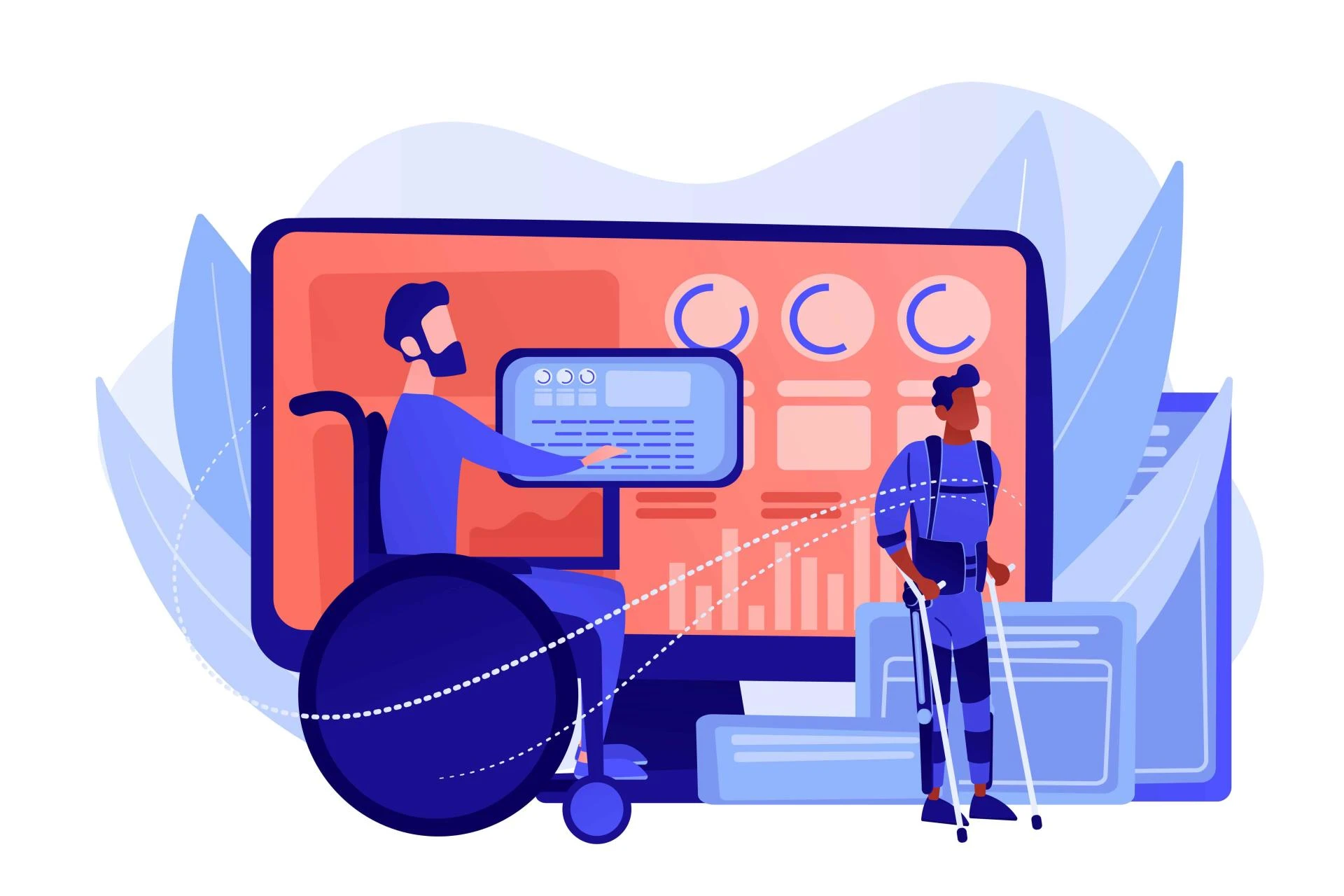
Ensuring that your application is accessible to all users, including those with disabilities, is crucial for creating an inclusive digital experience. Accessibility not only benefits individuals with visual, auditory, motor, or cognitive impairments but also enhances usability for everyone. Moreover, making your application accessible helps meet legal compliance standards such as the Web Content Accessibility Guidelines (WCAG) and the Americans with Disabilities Act (ADA). This guide will provide practical steps to make your application accessible to all users.
1. Understand Accessibility Standards and Guidelines
Before making your application accessible, familiarize yourself with recognized accessibility standards. The WCAG provides detailed guidelines to ensure web and mobile applications are perceivable, operable, understandable, and robust (POUR). Compliance with WCAG levels (A, AA, AAA) helps developers create inclusive applications.
2. Implement Semantic HTML
Using semantic HTML enhances accessibility by ensuring that elements are correctly interpreted by assistive technologies such as screen readers.
Best Practices:
- Use proper heading hierarchy (<h1> to <h6>) for structuring content.
- Utilize landmarks (<nav>, <article>, <section>, <aside>) for easy navigation.
- Use descriptive <alt> attributes for images to provide context for users with visual impairments.
3. Ensure Keyboard Navigation
Many users rely on a keyboard rather than a mouse to navigate applications. Ensure that all interactive elements are accessible via keyboard.
Best Practices:
- Use the Tab key for navigation and ensure a logical tab order.
- Provide a visible focus indicator for selected elements.
- Implement aria-keyshortcuts for important actions where necessary.
4. Optimize for Screen Readers
Screen readers convert digital content into speech or braille, assisting users with visual impairments.
Best Practices:
- Use ARIA (Accessible Rich Internet Applications) attributes where necessary but avoid overuse.
- Label buttons and form fields with aria-label or <label> tags.
- Avoid generic link text like “Click here” and instead use descriptive text such as “Read more about accessibility.”
5. Provide Alternative Text for Media
Visual and audio content should be accessible to users with disabilities.
Best Practices:
- Add captions and transcripts for videos.
- Provide alternative text for images and icons.
- Ensure audio controls are accessible and adjustable.
6. Use High-Contrast and Readable Text
Poor contrast and small text can make content difficult to read, especially for users with visual impairments.
Best Practices:
- Maintain a contrast ratio of at least 4.5:1 between text and background.
- Allow users to resize text without losing content functionality.
- Use legible fonts and avoid excessive decorative elements.
7. Design Accessible Forms
Forms should be easy to navigate and complete for all users, including those using screen readers or alternative input devices.
Best Practices:
- Associate form fields with visible labels using the for attribute.
- Use aria-describedby to provide additional instructions for form elements.
- Implement proper error handling with clear, descriptive error messages.
8. Ensure Responsive and Mobile-Friendly Design
Accessibility extends to mobile devices, ensuring users with different abilities can interact with your application on any screen size.
Best Practices:
- Use a responsive design approach.
- Ensure touch targets are large enough for users with limited dexterity.
- Avoid relying solely on hover effects, as they are not effective on touchscreens.
9. Test Accessibility with Assistive Tools
Regular testing helps identify and resolve accessibility barriers before they affect users.
Recommended Tools:
- Vstellar – A comprehensive online accessibility testing tool to scan applications for compliance with WCAG standards.
- WAVE – Evaluates web accessibility and highlights issues in real-time.
- Axe Accessibility Checker – A browser extension for accessibility audits.
- VoiceOver/NVDA – Screen readers to test usability for visually impaired users.
10. Conduct User Testing with Diverse Participants
Automated tools are valuable, but real user feedback is essential for improving accessibility.
Best Practices:
- Involve users with disabilities in usability testing.
- Gather feedback on navigation, readability, and overall experience.
- Iterate on feedback and continuously improve accessibility.
Conclusion
Making your application accessible to all users not only ensures compliance with legal standards but also enhances usability, engagement, and inclusivity. By implementing semantic HTML, ensuring keyboard and screen reader compatibility, optimizing for different media formats, and testing with real users, you can create an application that accommodates everyone. Start integrating accessibility best practices today and make your digital experience welcoming for all users.