Launching a cryptocurrency on Ethereum is more accessible than building an entirely new blockchain, but creating a token is only one part of the process. A successful ERC-20 cryptocurrency requires careful planning around token utility, supply, economics, smart contract security, compliance, distribution, and long-term management.
The ERC-20 standard remains one of the most widely recognized frameworks for fungible tokens on Ethereum. It provides a common set of functions that wallets, exchanges, decentralized applications, and other blockchain infrastructure can understand. This interoperability has made ERC-20 a foundation for thousands of tokens across decentralized finance, gaming, payments, governance, and other blockchain applications.
However, launching a token should not begin with writing a smart contract. The strongest projects first establish why the token should exist, what role it plays, how users will acquire it, and how its supply will be managed. The technical implementation then supports that underlying economic model.
What Is an ERC-20 Token?
ERC-20 is a technical standard that defines how fungible tokens should behave on the Ethereum blockchain. Fungible means that each unit of the token is interchangeable with another unit of the same token. One token has the same basic value and properties as another token from the same contract.
The standard defines functions that allow users and applications to check balances, transfer tokens, approve spending, and manage allowances. It also includes events that allow blockchain applications to track transfers and approvals.
This standardization is important because token creators do not have to build separate compatibility systems for every wallet or decentralized application. Once an ERC-20 contract follows established conventions, Ethereum infrastructure can generally interact with it.
Well-known projects such as USDC and many DeFi governance tokens have used Ethereum-based token standards as part of their infrastructure. The broader lesson is that interoperability can be as important as the token itself.
Step 1: Define the Purpose of Your Cryptocurrency
Before developing the smart contract, determine the exact purpose of the cryptocurrency. A token should have a clear role within the product or ecosystem rather than existing simply because launching a token is technically possible.
Common ERC-20 use cases include governance, payments, access to platform features, rewards, staking, and ecosystem incentives. Some projects use tokens to coordinate participation across decentralized applications, while others use them as units within gaming or financial ecosystems.
A useful token design should answer several questions:
- What problem does the token solve?
- Who needs to use it?
- Why would users hold or spend it?
- What activities create genuine demand?
- Which functions require blockchain-based ownership or transferability?
These questions directly influence the token's supply, distribution, utility, and smart contract architecture.
Step 2: Design the Tokenomics
Tokenomics determines how the cryptocurrency is created, distributed, and managed over time. This is one of the most important stages because poor economic design can create selling pressure, concentration risks, or incentives that work against the project's goals.
Key parameters include total supply, circulating supply, allocation, vesting, and token release mechanisms. A Cryptocurrency Development Company like Blockchain App Factory can help projects implement ERC-20 tokens, smart contracts, tokenomics, and blockchain integrations.
For example, tokens may be allocated to the community, treasury, development, investors, rewards, and liquidity. The allocation should reflect the project's goals rather than simply copying another token model.
Vesting is particularly important when tokens are allocated to founders, employees, advisors, or early investors. If a large percentage enters circulation immediately, the market can experience significant selling pressure. A staged release schedule can align long-term incentives more effectively.
Projects should also decide whether supply is fixed or can change through minting or burning. A fixed supply is easier to communicate, while controlled minting may be necessary for ecosystems that require ongoing rewards. Either approach introduces different economic and governance considerations.
Step 3: Choose the ERC-20 Smart Contract Architecture
Once the token model is defined, the next stage is smart contract development.
A basic ERC-20 contract generally includes functionality for:
- Token transfers
- Balance tracking
- Spending approvals
- Allowance management
- Total supply tracking
- Transfer and approval events
Modern Ethereum development commonly uses established smart contract libraries rather than implementing every component from scratch. Reusable standards and audited libraries can reduce unnecessary development risk.
Additional functions may be added depending on the project. These could include minting, burning, pausing, access control, permit-based approvals, or governance-related mechanisms. Each additional function increases the contract's complexity and should have a clear reason for existing.
The principle is simple: the smart contract should contain only the authority and functionality the project genuinely requires.
Excessive administrative privileges can create security and trust concerns. If a team can arbitrarily mint tokens, freeze balances, change important parameters, or transfer ownership without safeguards, users may face risks even if the contract initially appears legitimate.
Step 4: Test the Smart Contract Thoroughly
Smart contract testing should happen before deployment to Ethereum mainnet.
Developers typically begin on local blockchain environments and test networks. The objective is to verify that transfers, approvals, supply calculations, access controls, and exceptional conditions behave correctly.
Testing should cover both normal and unexpected scenarios. For example, developers should verify what happens when a user attempts to transfer more tokens than their balance, when an allowance is changed, or when unauthorized accounts attempt administrative functions.
Automated tests can cover individual functions, while broader tests can evaluate interactions between multiple contracts.
Security testing is especially important because blockchain transactions are generally irreversible. A coding mistake in a traditional application may be corrected through a later software update. A vulnerability in an immutable smart contract can be much harder to address.
Step 5: Conduct a Smart Contract Audit
An independent security audit provides another layer of review before deployment.
Auditors examine the contract for vulnerabilities, incorrect access controls, flawed logic, unsafe external calls, arithmetic problems, and other potential weaknesses. They may also assess whether the contract behaves according to its intended tokenomics.
An audit does not guarantee that a contract is completely secure. Instead, it provides an independent technical assessment and can identify issues the development team may have missed.
For a cryptocurrency intended to handle significant user funds, independent testing and multiple layers of review are especially important.
Step 6: Deploy the ERC-20 Token on Ethereum
After testing and security review, the contract can be deployed to Ethereum mainnet.
Deployment requires paying network transaction fees in ETH. The deployment process creates the token contract at a unique blockchain address. Once deployed, the contract address becomes the primary technical identity of the token.
The project should publish the verified contract source code through Ethereum block explorers. Contract verification allows users and developers to inspect the code associated with the deployed address.
At this stage, the team should also carefully document the official contract address. Fake tokens often imitate legitimate projects, so users need a reliable source for identifying the authentic contract.
Step 7: Distribute and Provide Liquidity
Deployment does not automatically create a functioning market. The project must determine how tokens will reach users.
Distribution can occur through community programs, private allocations, public sales where legally permitted, ecosystem rewards, or decentralized exchange liquidity.
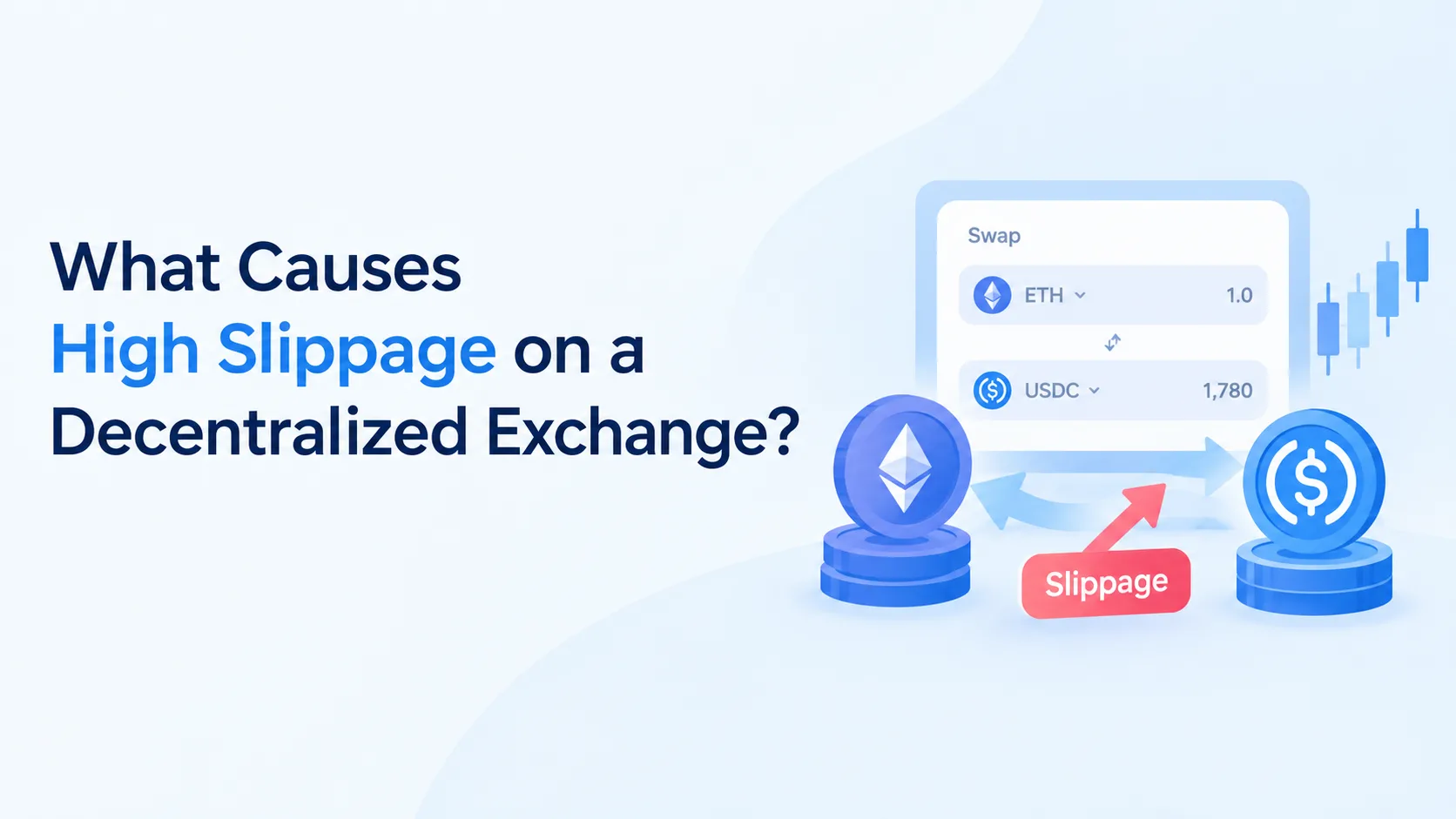
Liquidity is particularly important for tokens that are intended to trade on decentralized exchanges. Without sufficient liquidity, even relatively small transactions can cause significant price movements.
Projects should therefore consider liquidity depth, initial pricing, treasury management, and the source of liquidity. Poorly planned liquidity can result in extreme volatility and undermine user confidence.
Step 8: Build the Ecosystem Around the Token
A cryptocurrency gains long-term relevance from its utility, not simply from its existence on a blockchain.
After launch, developers may integrate the token into decentralized applications, wallets, governance systems, staking mechanisms, payment features, games, or other products. Each integration should reinforce the original purpose of the token.
The project should also monitor contract activity, token distribution, liquidity, treasury movements, and community participation. On-chain analytics can help identify unusual activity and provide insight into how the ecosystem is developing.
Legal and Regulatory Considerations
Launching an ERC-20 token also involves legal considerations. The regulatory treatment of cryptocurrencies can vary substantially depending on the jurisdiction, token structure, distribution method, and intended use.
Projects should evaluate securities laws, consumer protection requirements, tax obligations, marketing restrictions, anti-money-laundering requirements, and other applicable regulations before selling or distributing tokens.
This is particularly important when a project raises capital from investors. The fact that a token technically follows ERC-20 does not determine its legal classification.
Obtaining advice from qualified legal professionals in the relevant jurisdictions is therefore an important part of responsible token planning.
Common Mistakes to Avoid
Many token launches fail because teams focus heavily on the contract while neglecting the economic and operational foundations of the project.
Common mistakes include creating a token without a meaningful use case, allocating excessive supply to insiders, launching with inadequate liquidity, using unaudited code, giving administrators excessive control, and communicating unrealistic expectations about token value.
Another major mistake is treating token deployment as the final milestone. Deployment is actually the beginning of the token's operational lifecycle. Governance, treasury management, security monitoring, community development, exchange integration, and product development may continue for years after launch.
Conclusion
Launching an ERC-20 cryptocurrency involves far more than deploying a smart contract on Ethereum. The technical standard provides the foundation for interoperability, but the project's long-term success depends on thoughtful tokenomics, meaningful utility, secure development, appropriate distribution, sufficient liquidity, and responsible regulatory planning. A well-designed launch begins by defining the problem the token solves and then builds the technical and economic infrastructure around that purpose. When these elements work together, an ERC-20 token can become a functional part of a broader blockchain ecosystem rather than simply another digital asset on the Ethereum network.